5 top tips for a water-saving garden

Although we’re still in the depths of winter and the gardening season is yet to get underway, there’s still plenty you can do to be more water-conscious before your garden wakes up in the coming weeks. Mulching beds and borders is a great way to lock moisture in the soil, and of course installing a water butt (or two!) will make the most of any rainy weather and help to save water for when we really need it in spring and summer. And if you’re planning any major landscaping, consider the benefits of better drainage.

Read on for five top tips to help you save water in winter.
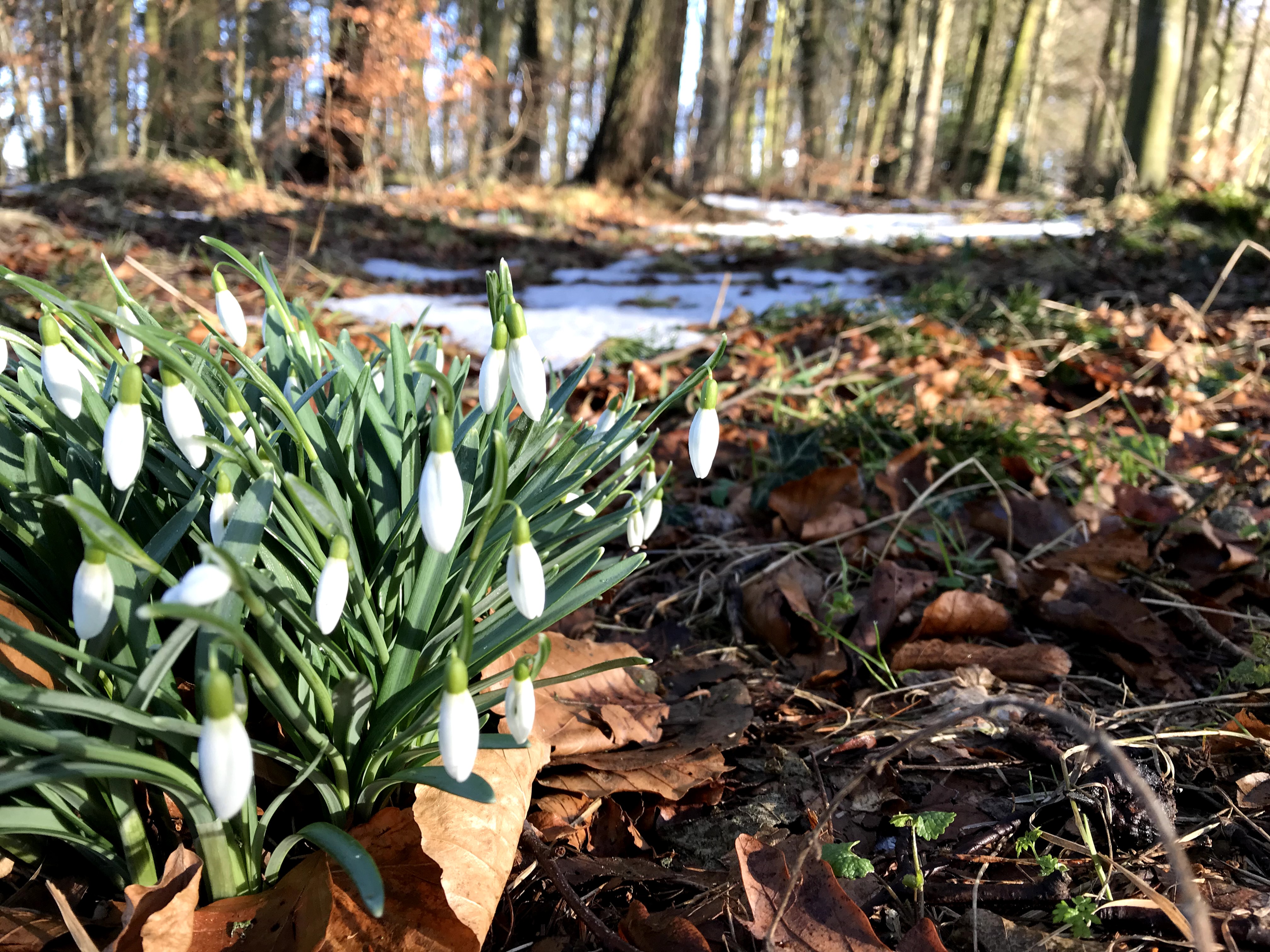
Snowdrops are nodding in the borders, the first tips of daffodils and crocus are showing through the soil, and the garden is still half-asleep. It’s a good point in the year to have a think about the structure and landscaping of your garden, and make some preparations which will improve water conservation, ready for the coming growing season. 

Here are 5 things to consider when you’re planning your 2024 garden: 

1. Hard surfaces

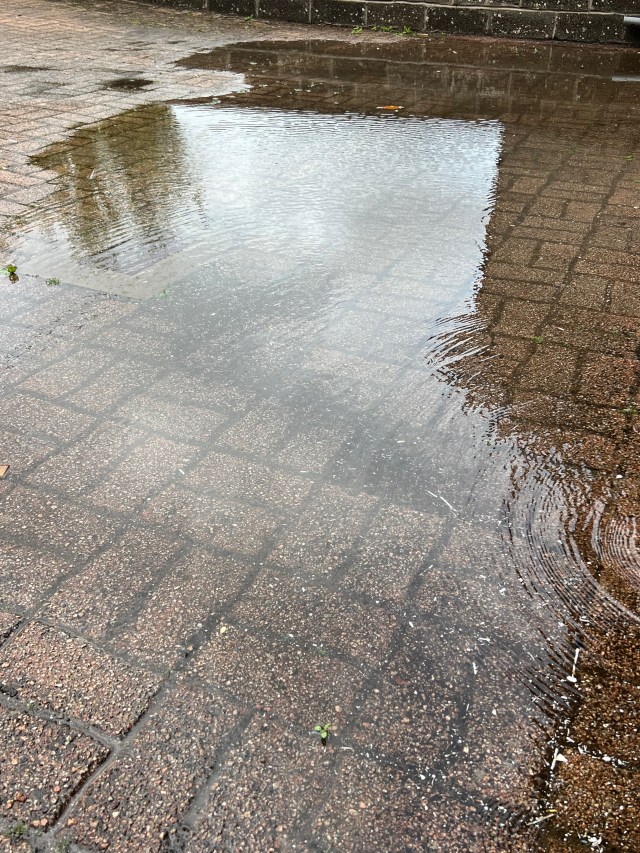
Does your garden drain the rain? And do you wonder why your street or driveway keeps flooding?  It’s because too many hard surfaces, driveways and paved over gardens aren’t allowing rainwater to drain away properly.

  • monoblock paths and drive ways drain poorly and pool water
  • paving, tarmac and concrete are also less porous
  • additional water flows into street drains, putting pressure on the sewer network – that’s why localised flooding can occur, affecting people’s homes and gardens

So what can you do instead? Keep hard surfaces in your outdoor space to a minimum – and go for grass or gravel when you’re landscaping. If you’re building a new driveway, patio or path – or planning an upgrade – then choose permeable paving. Gravel is especially cheap and you can plant into it easily. Consider also retaining as much grass in your front garden as possible – it’s better for biodiversity and it holds rainwater, preventing runoff.
2. Avoid artificial grass 

When your grass is living, there’s life in your grass – and the rest of your garden benefits too. 

  • grass and the soil below it supports a huge ecosystem of insects, worms, nutrients and micro-organisms  
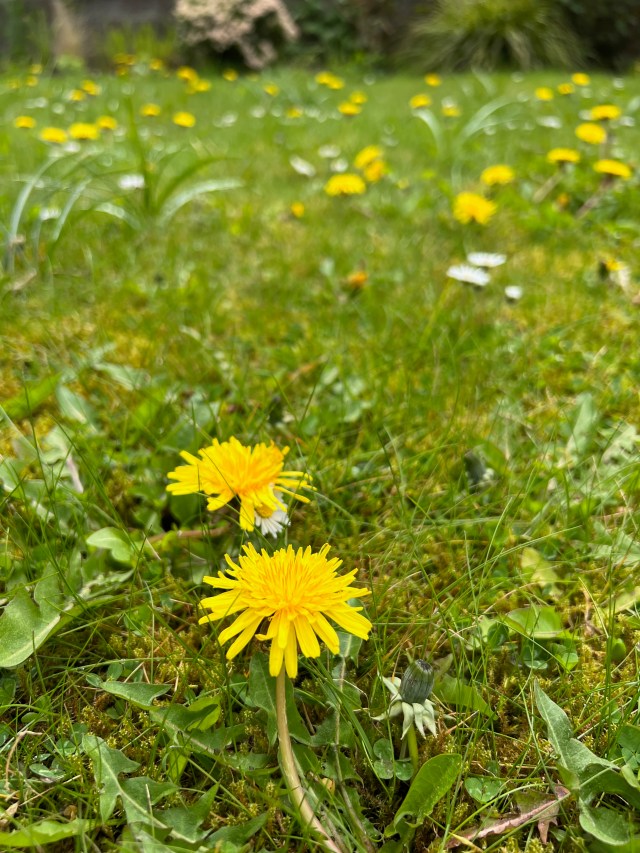
  • daisies, dandelions and other wildflowers in your lawn are food for bees, flies and other pollinators
  • it’s a feast for the senses – walking barefoot on grass, the smell of a freshly mown lawn, the sound of bees buzzing on the flowers, a lush, green oasis of calm

Artificial grass may seem like a good alternative – but it has a really big carbon footprint caused by manufacture, transport and installation, and it involves huge areas of plastic which can’t be recycled.

Although it’s designed to drain, water runoff can be a problem with fake grass, as doesn’t absorb rain in the same way as soil; plus, micro-plastics are washed into the ground, polluting it for centuries. Although it seems like an easier, low-maintenance option, artificial lawns have serious implications for the environment, including water conservation. 
3. Install a water butt 

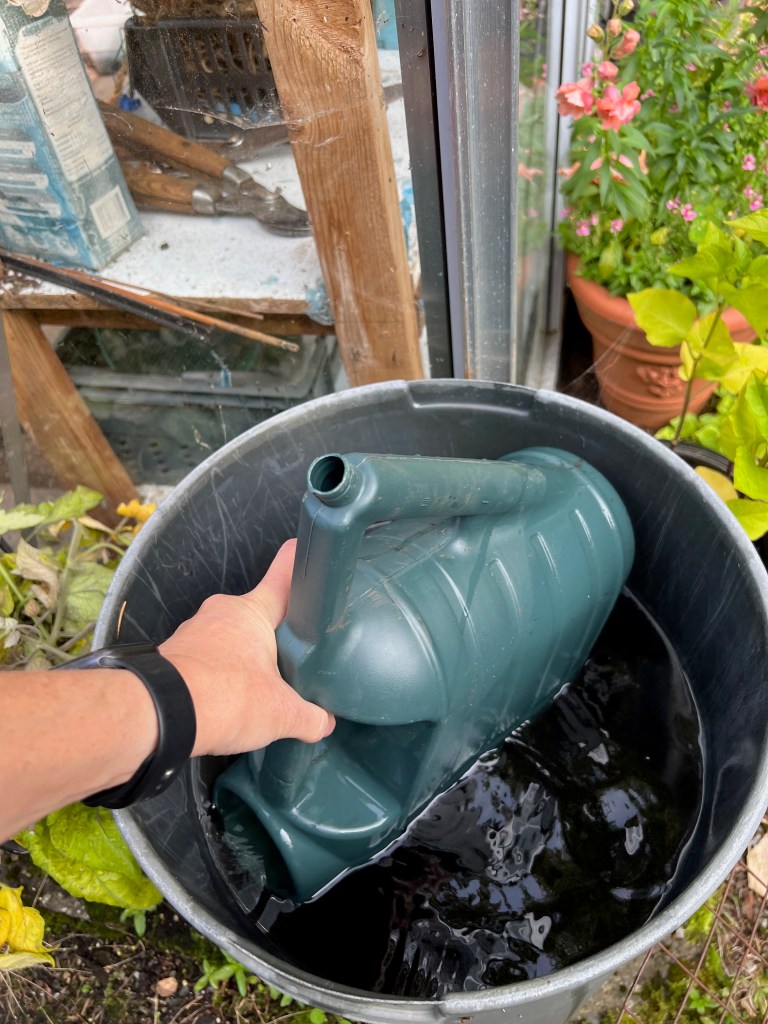
Now is actually a great time to think about how to reduce your overall water use – a few preparations will set you up for this year’s growing and reduce the likelihood of flooding during the wetter months. It’s the perfect time to install a water butt, to collect any rainfall in the coming weeks – it should be nice and full come spring! You can watch our video on installing a water butt here.

4. Spring bare root planting 

Spring, like autumn, is a great time to get new plants in the ground, giving them time to put down roots and reduce the need for extra watering when it’s warm again. Many are sold bare-root during autumn and winter, which often reduces the packaging required too. Bare-root is just what it sounds like – the plants are sold without pots and soil, and it doesn’t cause them any harm because they’re dormant. They often benefit from a good soak in a bucket of water before being placed into their planting spot with some fresh compost. 

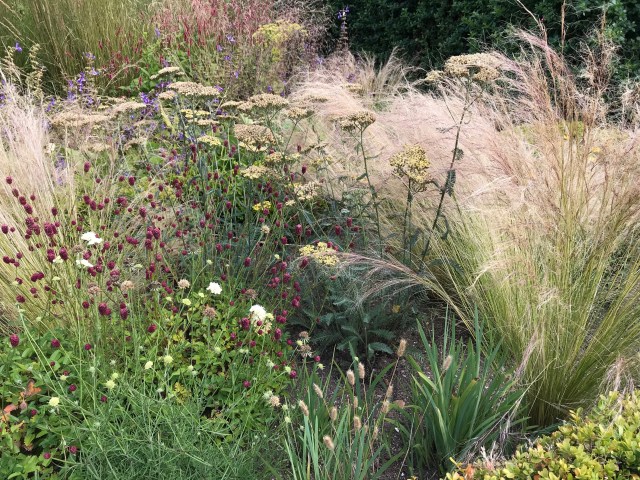
You could consider filling those gaps in your borders with more drought-tolerant planting too – for example, scented Lavender, soft Stachys, bee-friendly Echinops and swooshy Stipa are all great examples of sun-lovers which don’t need much watering, even in a heatwave.
5. Mulching 

Mulching your beds and borders is a one of the top tasks to undertake in spring  – there are so many benefits for your garden, including helping to lock moisture in the soil, reducing the need for watering. Mulching simply involves spreading a layer of organic matter on the surface of the soil – this can be compost, spent soil from tubs and containers, leaf mould, grass clippings, chipped wood or bark or any other dead plant material. The mulch will gradually be broken down over time by weather and insects, and absorbed into the soil, making it healthier and introducing nutrients to help feed your plants naturally. 

Mulching with homemade compost is even better, as it’s a really circular way to re-use the clippings, prunings and old plant material you’ve collected over the course of the previous year. Allowing these to break down in a compost bin or heap will provide you with nutrient rich mulch, returning the goodness back into your garden.

May snapshot

As I suspected, with the coming of Spring is the waning of the blog. However, I would never judge another garden blogger for forsaking screen in favour of soil, so I hope you won’t judge me similarly!

It’s now early June and I want the garden to stay as it is for a little while longer – everything seems to be in bloom at once.  I’m sure it’s a result of the delayed spring which means all the flowers have held back that little bit longer, and instead of appearing sequentially they’re putting on a fantastic show all together.  The laburnum tree in the back is humming with bees and spills over the pink rhodedendron, which is complemented by the dicentra and aquilegia popping up under the shrubs, with the foliage of those yet to bloom – hostas, alchemilla, lupins – filling out the gaps and making it all look quite lush.  And the clematis and honeysuckle are clambering over each other, competing to see who can look the prettiest (clematis wins this contest, but honeysuckle beats her on scent every time).

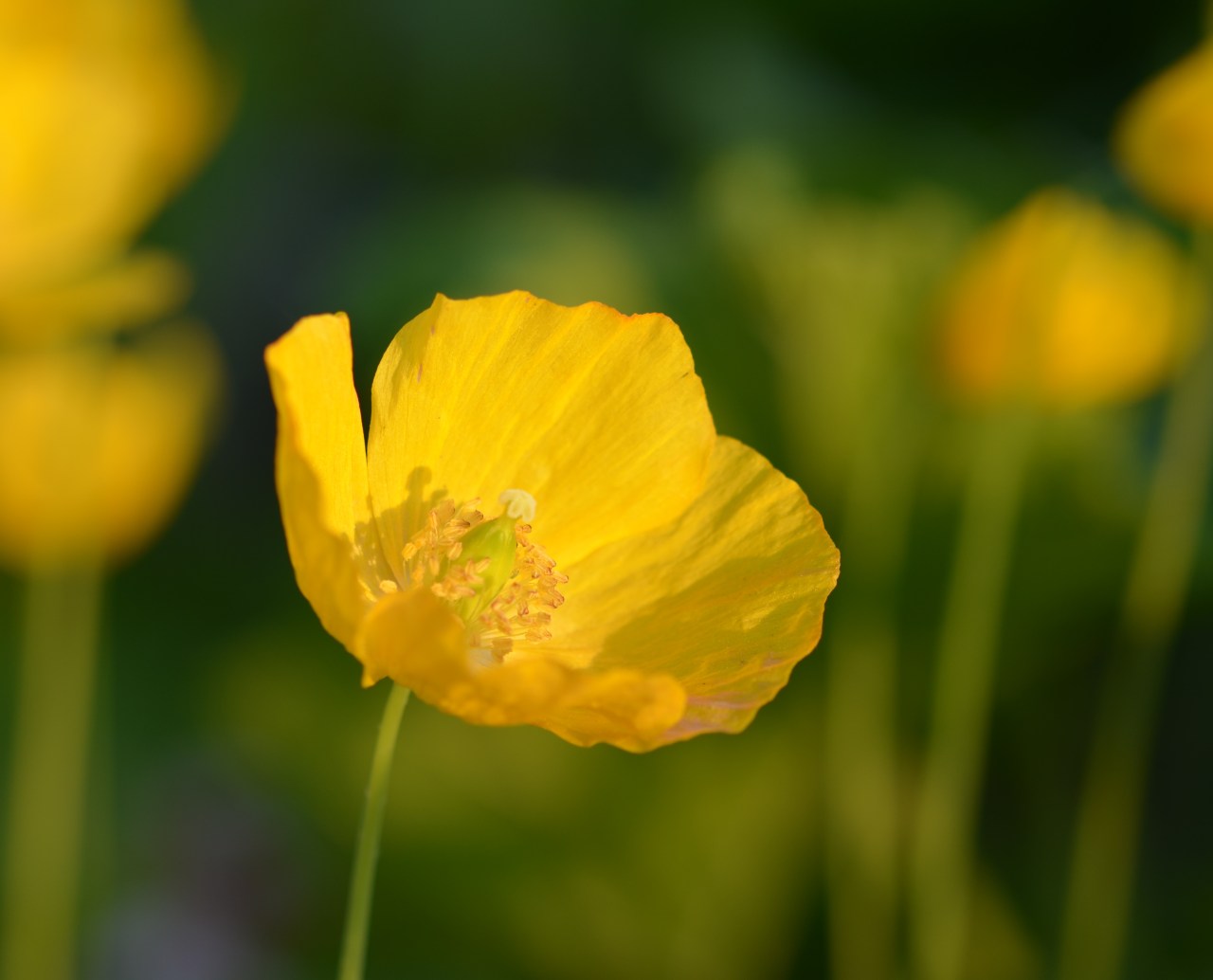
Yes, I wish I could pause the garden for a bit longer – I can tell it’s about to tip over from fresh and bright and frothy into overgrown and blousy and blown-out.  Not to worry…we might lose the primroses, forget-me-nots and aquilegia but the geraniums and roses are waiting in the wings – not to mention the geums and poppies already putting on a show in the front garden.

The flowers of May have also encouraged me to ramp up my photography – there are so many to capture after a long, cold, colour-free winter!

Here’s a snapshot of the garden last month, which will hopefully serve as a catch-up.

There are plenty more photos of what I’ve been up to in the garden on my Instagram feed @mycorneroftheearth.

This slideshow requires JavaScript.


Spring has sprung…

…and my blog is suffering!  But it’s a good sign – I’m blogging less because I’m spending more time in the garden.  I have to – there are seedlings to prick out, beds to mulch, weeds to weed and plants to pot up.  And it’s only going to get busier from here on in!

Real Life is also getting in the way of Creative Life, as it sometimes does.

The best way to bring you up to speed is perhaps to post a few photographs of some of the garden jobs I’ve been up to in the past month or so…

IMG_2400.jpg

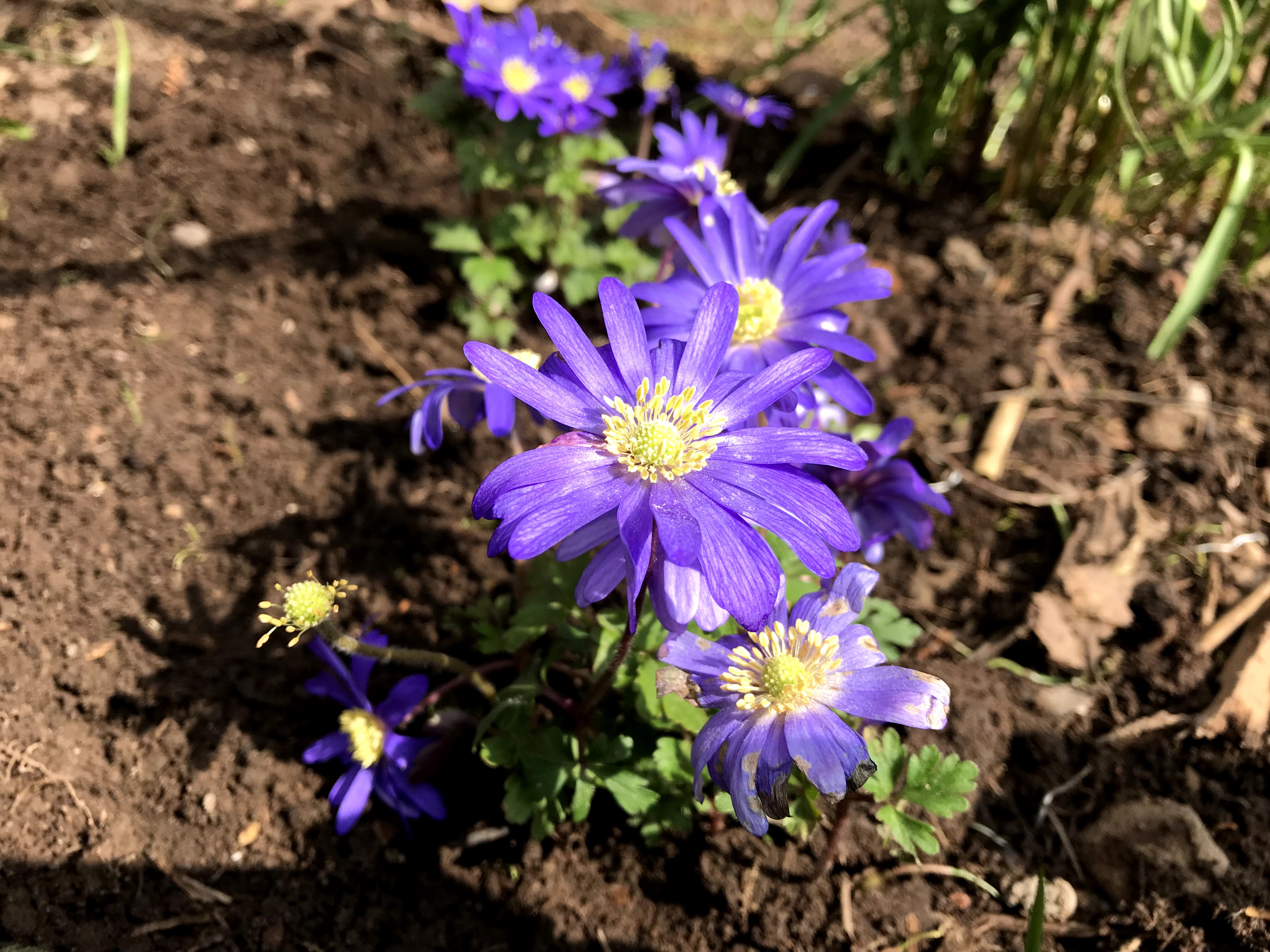
I’ve bought and planted half a dozen Anemone blanda to perk up a bare patch of earth under the magnolia in the back garden

IMG_2367.jpg

I’ve got two plants for my tin-bath pond – a lovely double marsh marigold and a corkscrew rush

IMG_2657.jpg

The forced rhubarb is about ready to pick!


IMG_2629.jpg

I briefly considered starting a sycamore farm – these are all the seedlings germinating at the side of the greenhouse… and there are many, many, many more popping up around the raised beds, paths, plant pots, in between paving stones…

IMG_2046.jpg

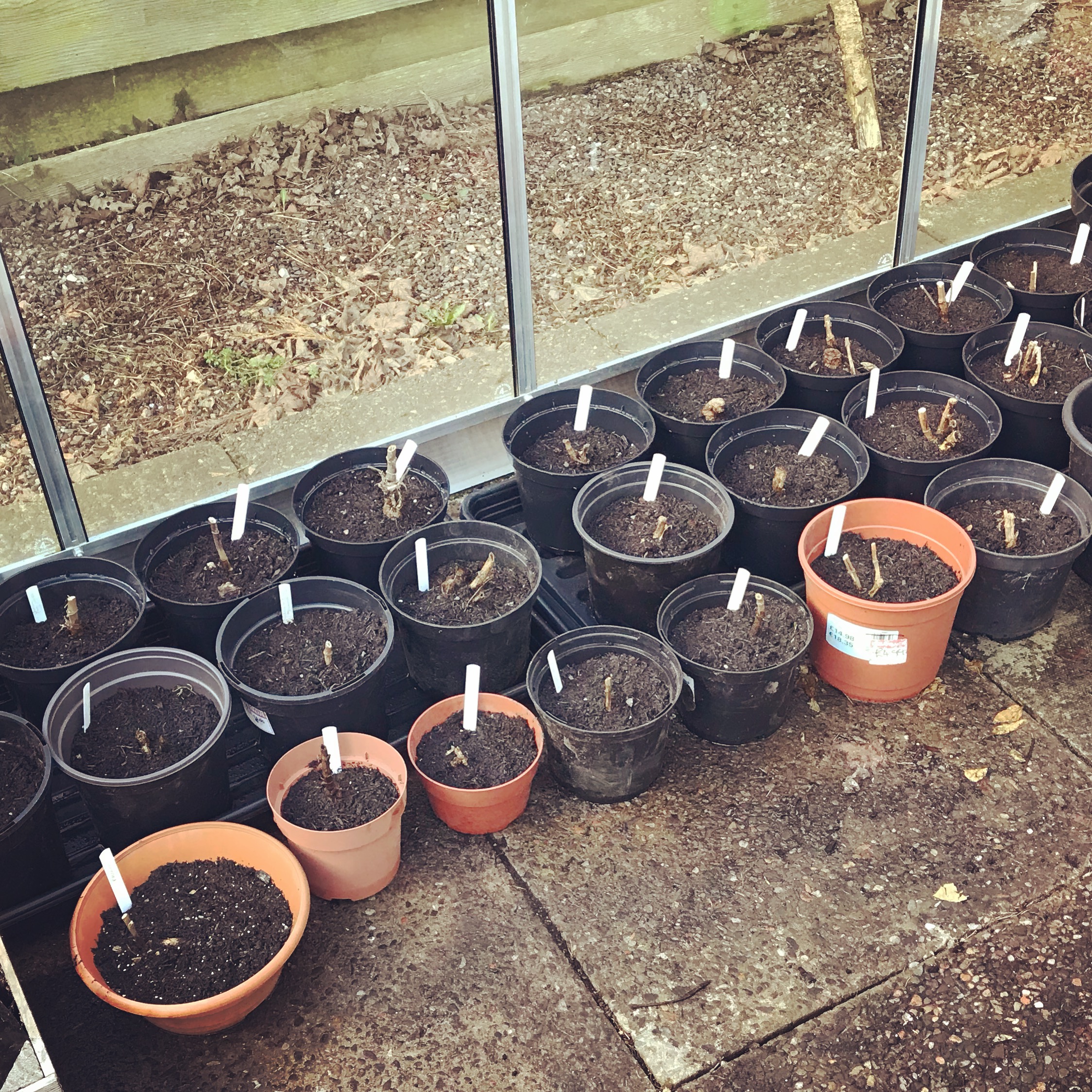
I’ve started all my dahlias…and *may* have bought some more along the way… #dahliaaddict

IMG_2406.jpg

Most of my seedlings and young plants are progressing well – some of these I’ve already planted out, like the forget-me-nots, wallflowers and gypsophilia.

IMG_2810.jpg

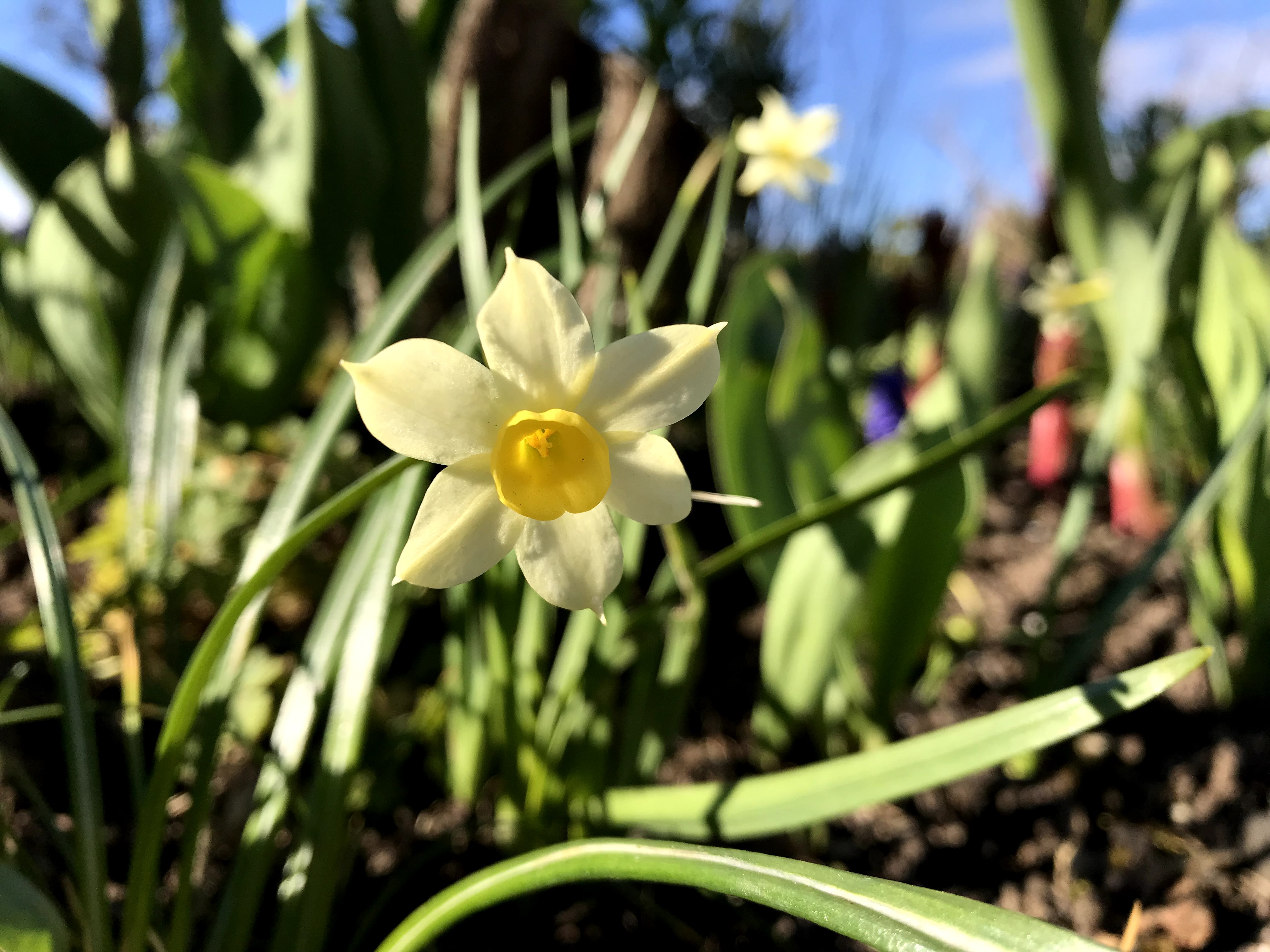
Basically I am loving the fact that Spring has arrived, bulbs are blooming and the sun is occasionally shining – long may it continue!

It’s the age-old battle for a garden blogger – blog vs garden.

I suspect I will be posting monthly for the forseeable, however I do post much more frequently on Instagram and you can follow me there for some micro-blogging action at @mycorneroftheearth.


Shinrin-yoku: forest bathing

Tree-huggers and leaf lovers, come this way…

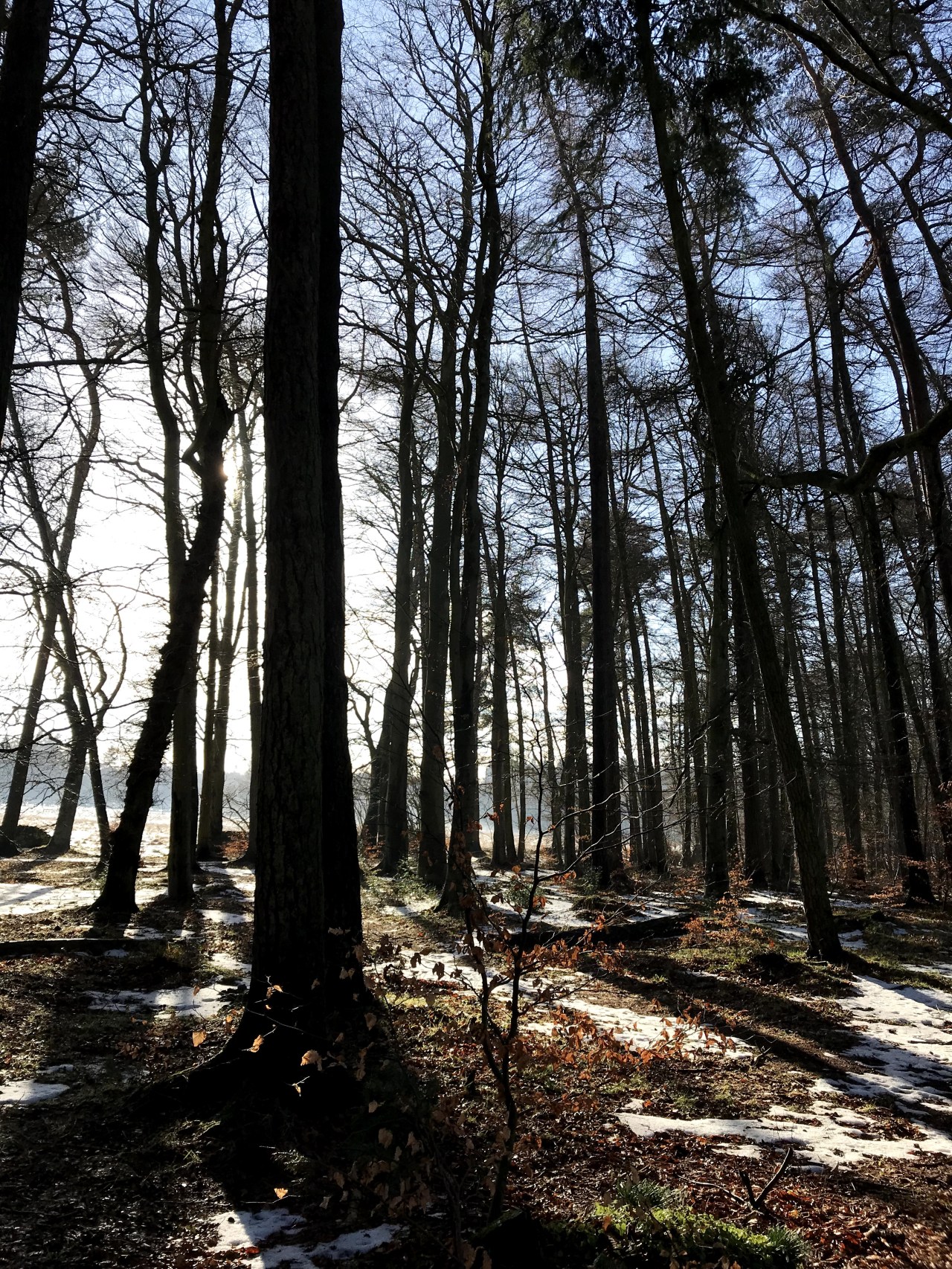
After a week of house arrest due to the snow, then frantic work days catching up after the snow, plus too much talking, eating, drinking, thinking and social-media-ing I decided that the best and quickest way to feed my soul and enter recovery mode was a good solid walk in the woods .

IMG_1793.jpg

The Japanese call it shinrin-yoku, which means ‘forest bathing’ and I can’t think of a better way to describe the act of putting on a pair of boots and walking alone amongst trees, fields and birdsong.  It’s been a thing in Japan since the 80s and its aim is to encourage a healthier lifestyle by taking walks in specially designated forests.  Forest bathing is not just about relaxation, although that’s a big part of it; studies have been done by Japanese scientists which show it can improve your physical health by boosting immune systems, reducing stress hormones, enhancing mental wellness and brain health. It might even blood glucose levels among diabetes sufferers.

I can certainly report it’s good for my soul as well as my health.  I always find something  in the woods to make me smile – today it was a flock of geese which passed so low overhead I could hear their wings beating.  And I also spotted lots of little chewed cones and nut remnants lying on the path which made me look up and wonder if there had been a little squirrel feast overhead.

I’m now wishing I had taken a photo of these…but then part of the joy of forest bathing is sometimes stopping to take photos, and sometimes simply enjoying the moment and not viewing it through a lens.

So I walked, breathed, greeted a couple of friendly dog walkers, and felt the sun on my back – it was wonderful.  I am extremely fortunate to have a number of woods just a short distance from home – I can leave my doorstep and walk to one of three woods within 5 minutes and if I ever got bored of these I could jump in the car and drive north to Big Tree Country in Perthshire, where there are some fantastic forests and woods to walk in.

However I do have a growing desire to visit Japan for some authentic forest-bathing.  I’ve been fascinated by the country and its culture for a long time and the more I read about it, the more I want to experience it for myself.  The Japanese relax by gazing at trees, lying on logs and breathing in forest smells.  Not to mention their cherry blossom festivals, zen gardens and moss meditation… for a garden-loving introvert it sounds like heaven!

For now though I will grab any opportunity I can to gaze at a Scots pine or my own (not-so-zen) garden.  Now the snow is melting the signs of Spring are showing up again at last.

IMG_1789.jpg


Witch Hazel

20180125-DSC_0710

I take photos of the witch hazel every year when it blooms.  I think it’s because I’m just so glad to see some colour in the garden.  This bush shines like a little beacon in the darkest corner of the garden, close to the compost bin, and I don’t always notice it straight away, but when I do it makes me feel really happy.  Those delicate yellow ribbons are a sign that there’s much more to come…Spring is on her way.