No Mow May

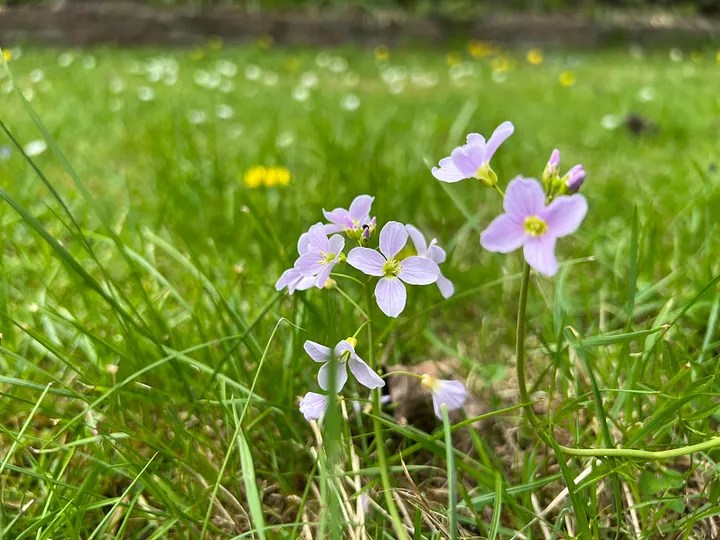
I’ve spotted little flashes of soft pink and purple in my back garden in the past few days, glad to see the return of some of the wildflowers which will help the local pollinator population.

It’s No Mow May, which is a great initiative for improving biodiversity and encouraging homeowners to do their bit to help bees and other pollinators. It’s a very appealing opportunity to be lazy in order to benefit wildlife – basically all you have to do is… nothing! Just don’t mow your grass for the month of May, allowing daisies, dandelions and other wildflowers, which would otherwise be razed, to spring up. This then provides a feast for bees, butterflies and other insects during spring and early summer as they feast on the pollen and nectar provided by lawns full of flowers.

There’s evidence that bees and other pollinators are in decline; we’ve also lost nearly 97% of flower rich meadows since the 1970’s. However, there’s a patchwork of gardens across Britain, which has the potential and the plant diversity to provide a feast for our struggling insects.

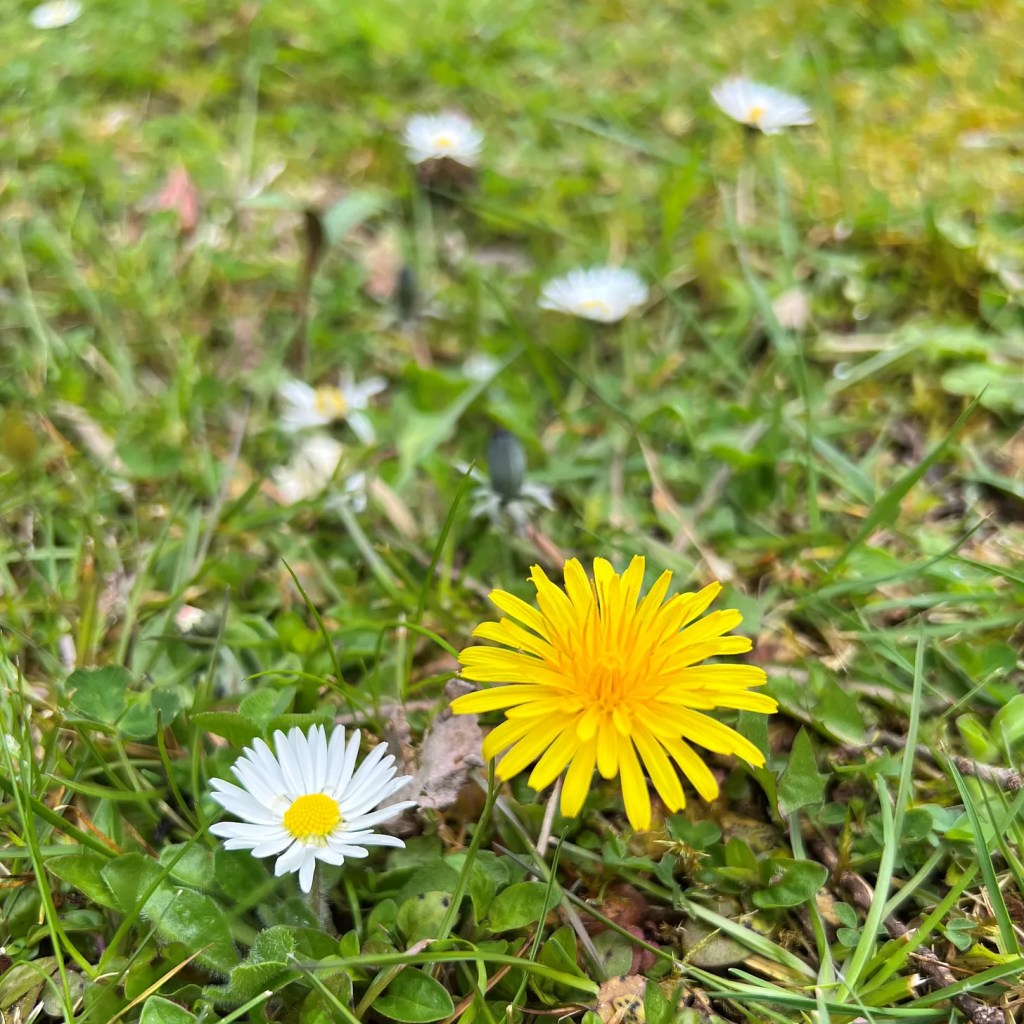
Daisies, dandelions, clover, buttercups, self-heal, speedwell, ladies’ smock… these are all the wildflowers – not weeds – which spring up in my garden when left unchecked. When you think of them as wildflowers, and not weeds, and you consider how pretty they really are, it’s much easier to keep the lawnmower tucked away in the shed. Not only that, but they are excellent sources of nectar and pollen for bees and other insects.
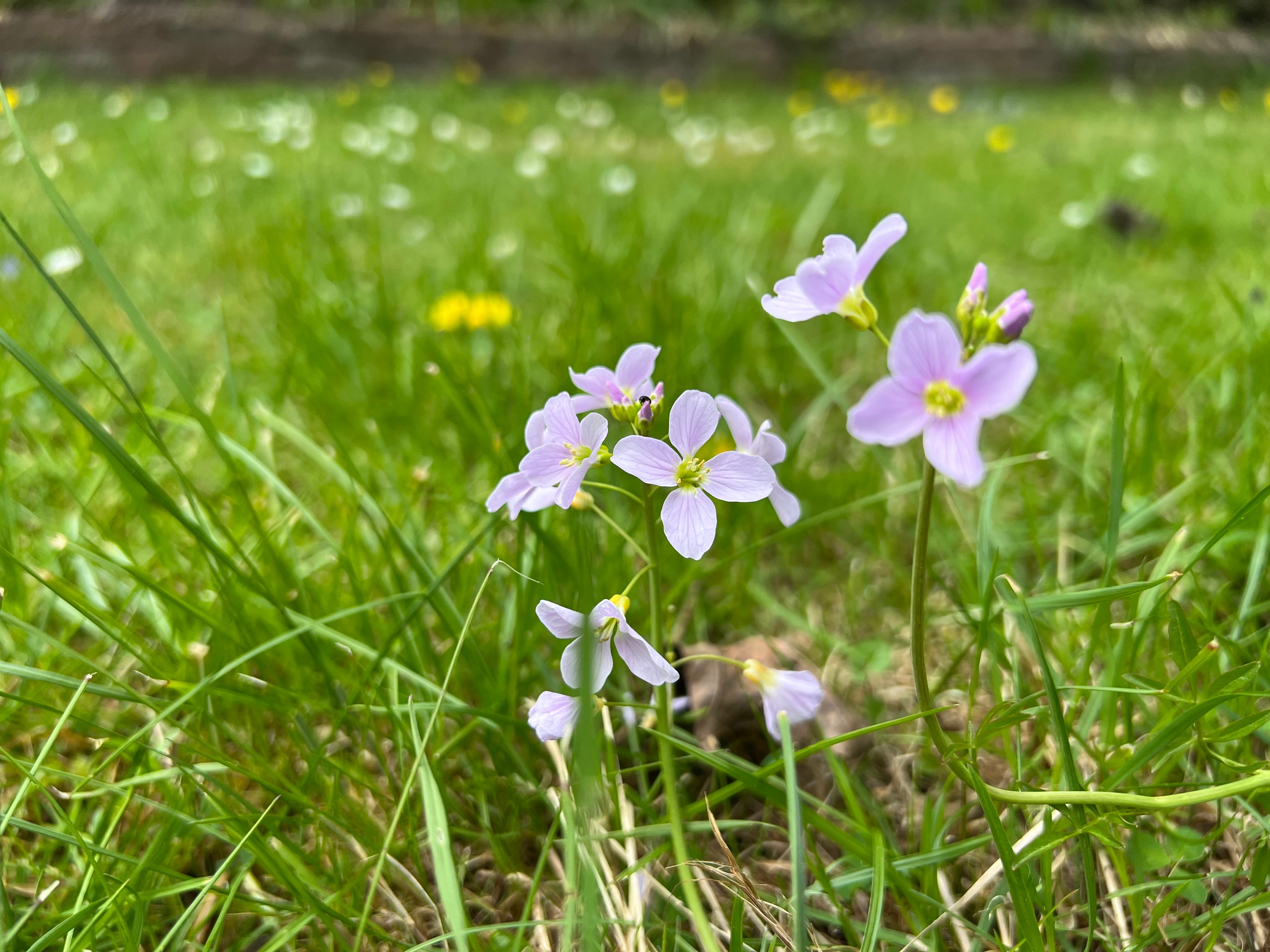
Cardamine pratensis – aka the cuckoo flower, lady’s smock, mayflower, or milkmaids

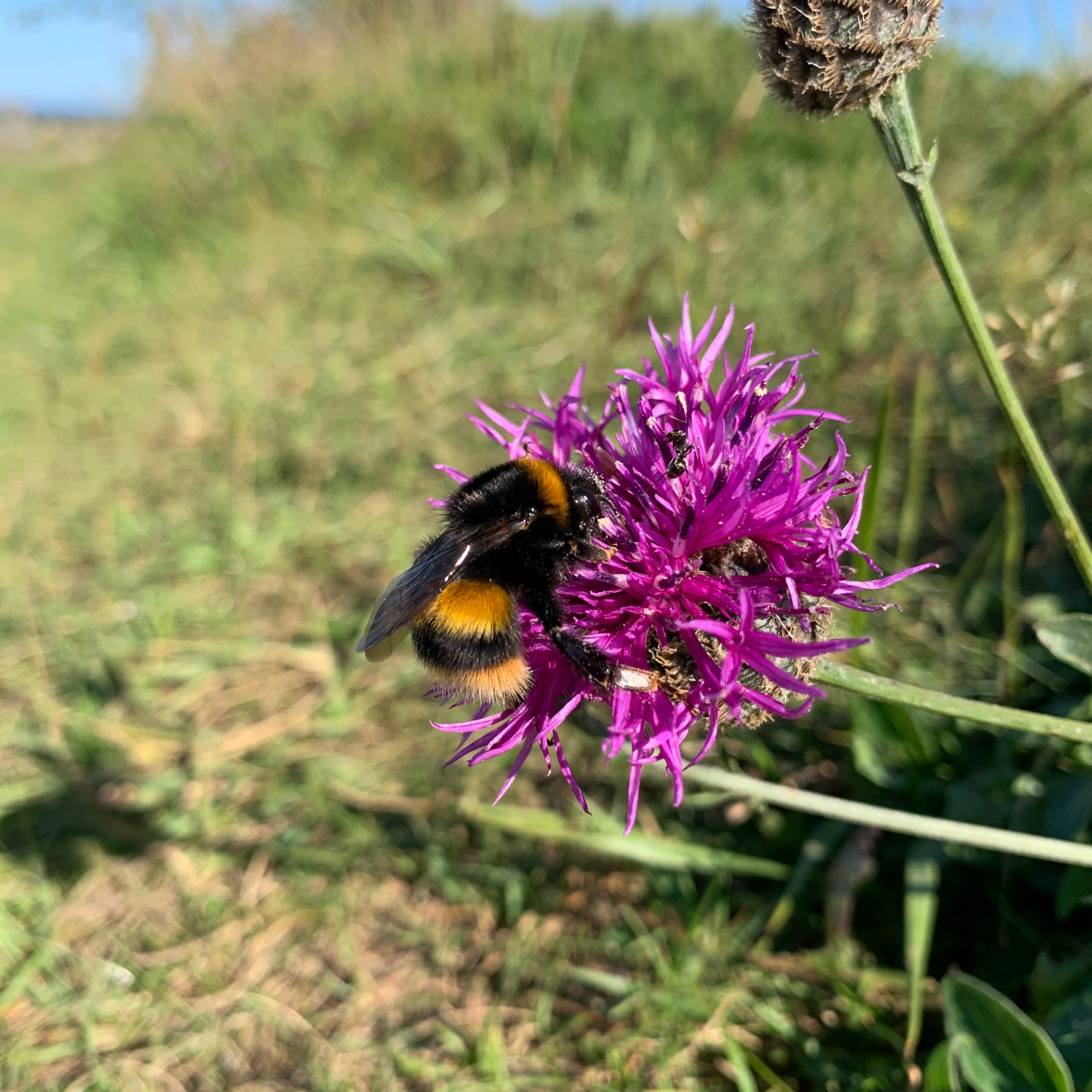
I enjoy taking part in No Mow May, partly because I love to see the grass in my garden come to life on a sunny day, with big fat bumble bees bouncing from flower to flower. Plus it’s easy, you really don’t have to do anything – an excellent propostition for the time-pressed amongst us. Less time mowing, more time to spend sowing seeds, keeping on top of weeds and planting up the summer borders – what’s not to like?!

I hope that people aren’t put off by the month-long commitment of No Mow May, or feel pressure not to mow – or worse, feel shame if they do mow! Gardening shouldn’t be about guilt – it’s about doing what’s right for you and your garden. And if you are twitching at the sight of the grass getting up to your ankles there are plenty of things you can do to boost biodiversity during May.

🌼Mow your lawn if it’s really getting too long and you can’t stand the scruff – but choose an out of the way patch to leave uncut, or leave the edges to grow long instead.

🌼Alternatively if you’re into a super-neat look then mow as usual, but consider planting up some containers with a wildflower mix in it, or some seasonal pollinator friendly flowers – pots of lavender, catmint, hardy geraniums or late spring bulbs will provide some goodness for the insects, with the added benefit of adding some colour to your garden.

🌼Do ‘Minimal Mow May’ – this is a less catchy name but is fun to say. Minimal Mow May is what I do – we have a back garden regularly used by family members and chickens, so it’s a bit more practical to keep it fairly short – I usually do at least one cut during the month of May, leaving some wild edges and a patch of longer grass at one side. We also have a front lawn which sets off the borders nicely when it’s neat, at least for a few days – all the dandelions and daisies tend to grow back very quickly anyway both front and back, so I never feel like I’m depriving the pollinators for very long.

Find out more about No Mow May at the Plantlife website.

The RHS has more tips on how gardeners can help pollinators here.
Wildflower Love ♥

This year I have set myself a casual challenge to learn to identify more wildflowers.  When I say it’s a casual challenge, it’s one that has developed in part because of my natural curiosity about plants and in part through necessity.  Garden visits have been almost impossible this spring and summer because of lockdown restrictions, so my focus has fallen to the flowers and plants around me – in the woods and hedgerows where we’ve walked more than ever, as well as further afield as restrictions have been eased and we’ve been able to go out for day trips.  

I’ve looked out for all kinds of wildflowers since they began emerging in the spring, and have watched the forest floor and the hedgerows grow and develop through into summer.  Some plants are of course common and easy to identify – wild roses, foxgloves, cowslips and primroses for example.  I love the big fat red clover flowers which are a cousin of the smaller variety popping up in my lawn.  It’s also fairly simple to spot ox-eye daisies and now at this time of year the statuesque rosebay willowherb is gradually turning its eye-poppingly pink flowers to fluffy seedheads.  

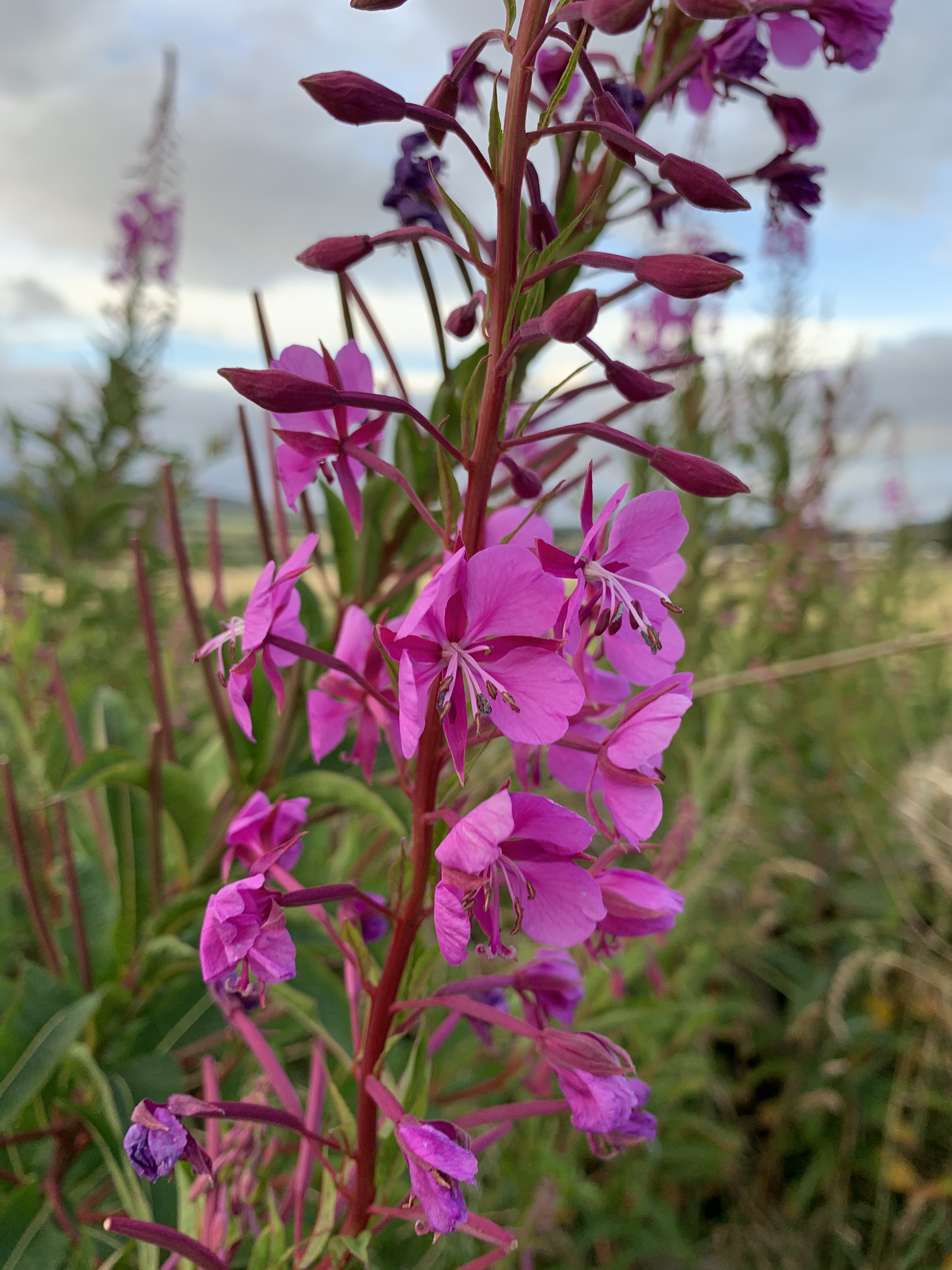
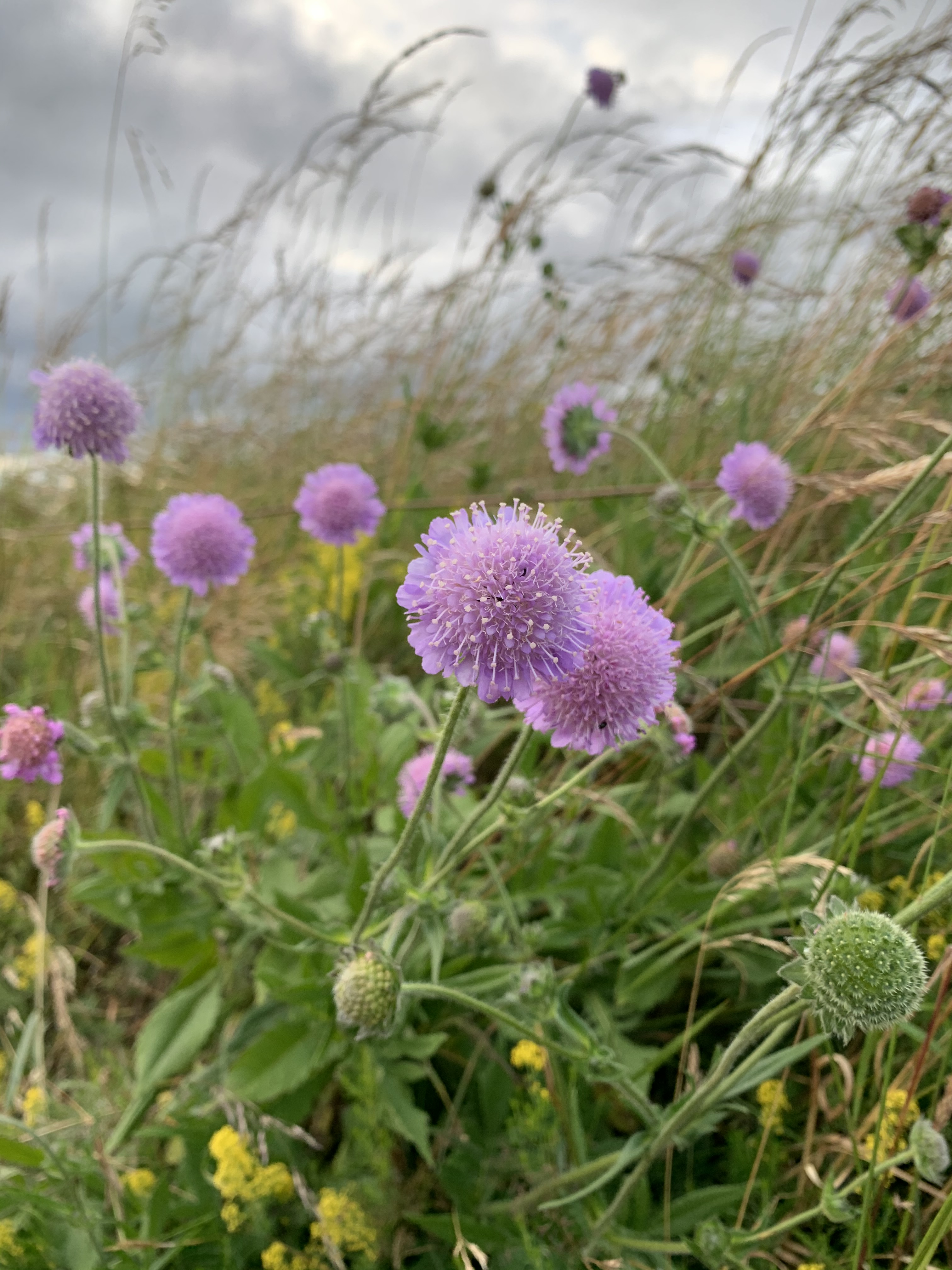
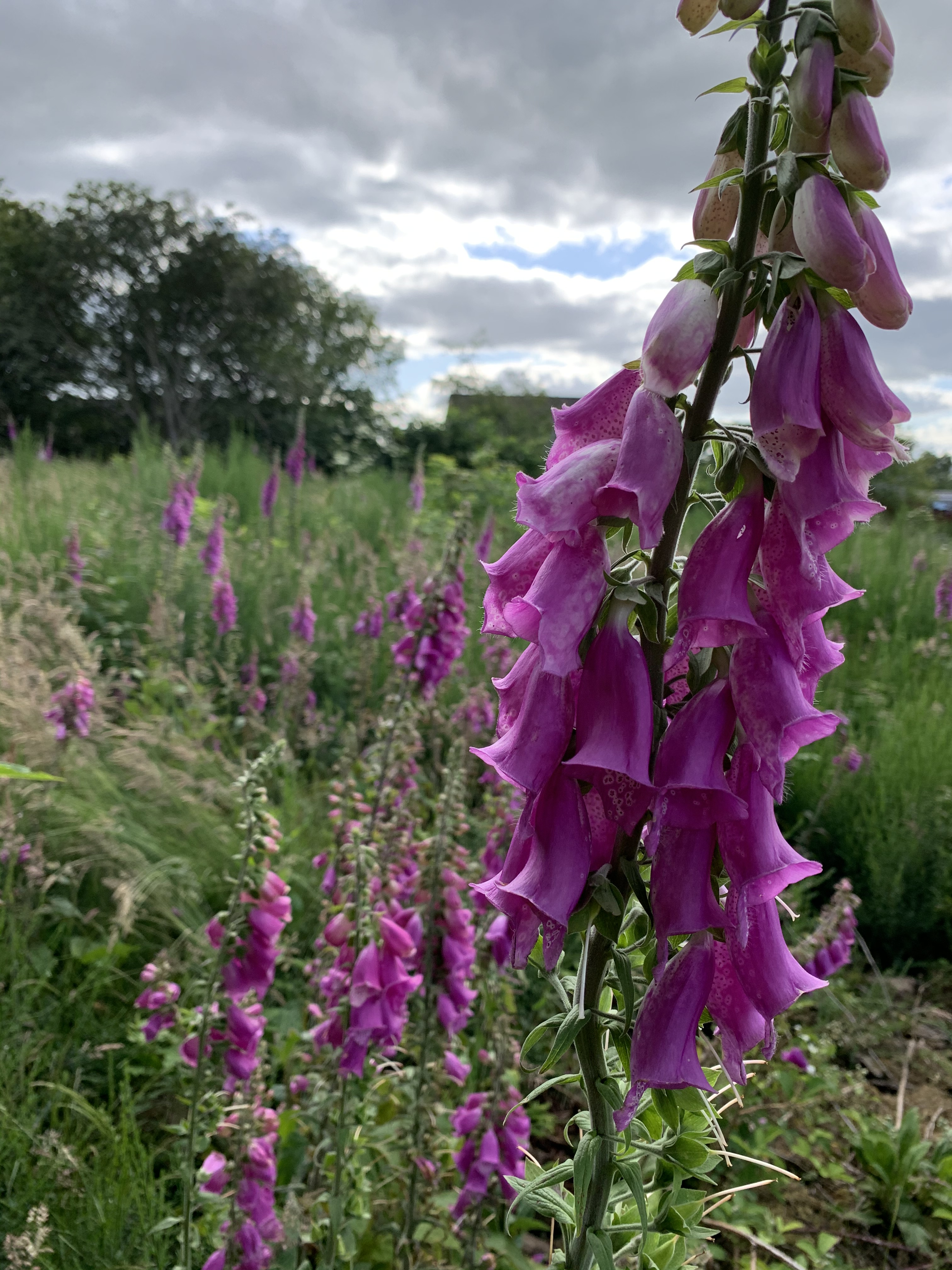
All the pinks and purples! Rosebay willowherb, red clover, field scabious, pink yarrow, foxgloves

But there are lots of flowers which I had previously disregarded or just didn’t look closely enough to really see them, and now I find myself peering into the undergrowth when I visit a new place to see if I can find anything unusual. I use my phone to take photos of whatever I find, and anything I really can’t identify I can then look up in my handy Wild Flowers book at home.  It’s a slightly old-fashioned book, with illustrations instead of photos but I’ve found it simple to identify each plant according to its kind, and I can also be slightly smug with myself about looking up an actual reference book for a change instead of relying on Google or an app!   

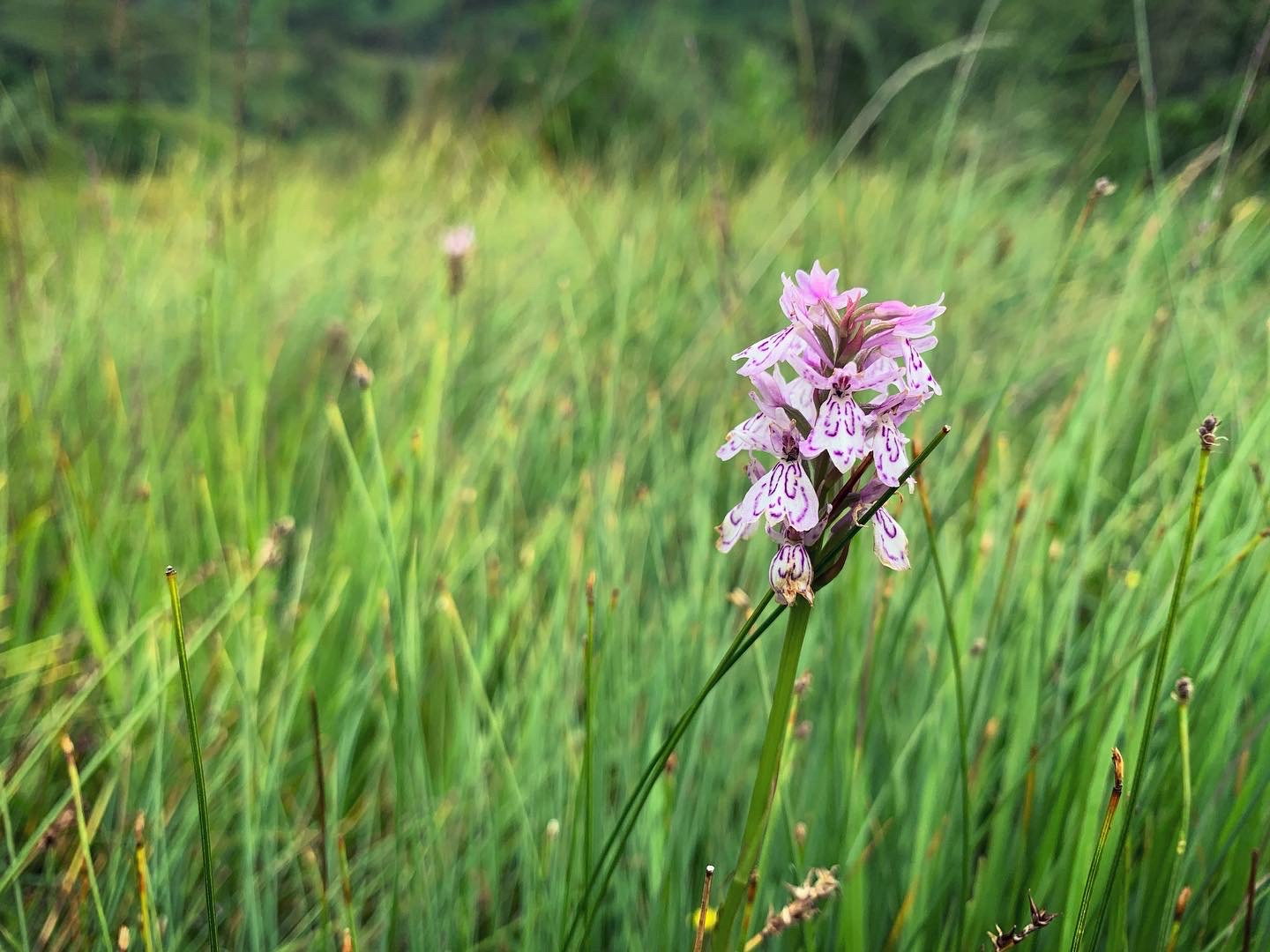
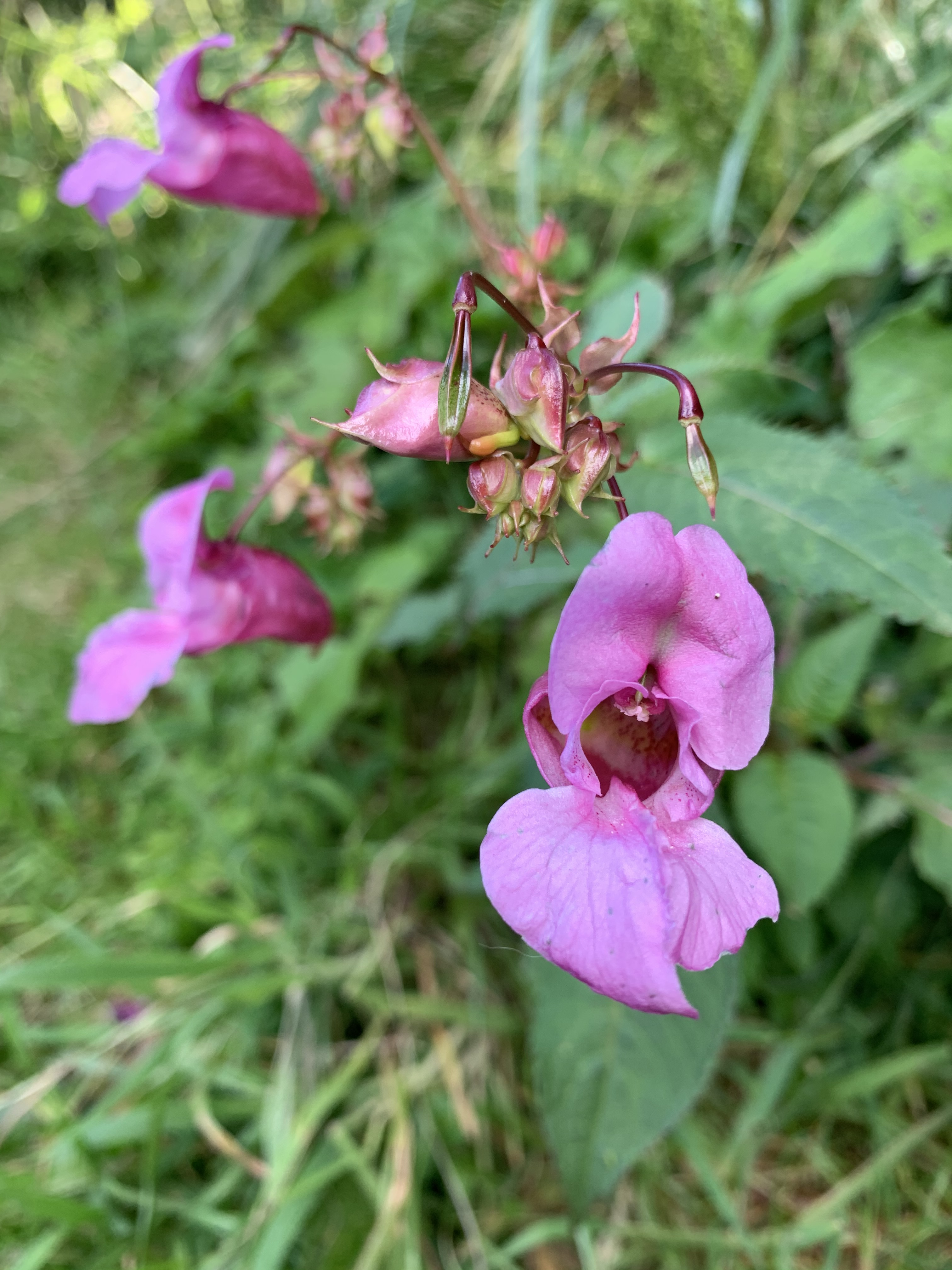
One of my most exciting finds this summer was a Common Spotted Orchid, discovered at the Glenfinnan Viaduct, and the infamous Himalyan Balsam which I found on the banks of the River North Esk.  It’s not uncommon, which is part of its problem – it’s an infamously invasive non-native plant but up until recently I had read about it, but never knowingly seen it.  

Common-spotted orchid, Himalayan balsam

Closer to home, I was also gifted a Seedball to trial earlier in the year, so I’ve used it to help develop a wildflower section in one of my raised beds.  I’ve documented the sowing and growing on my Instagram feed, and there’s a video in my Highlights showing just how easy these are – you just scatter the little clay balls in spring around the area where you want to grow your wildflowers and they will naturally break down and germinate in time to flower for the summer.  I’ve also been growing Ragged Robin from seed, a wildflower which loves damp soil around ponds, so a little group of these is now in a pot next to my tin bath pond. I would love to introduce more wildflowers to my garden – they’re tough but pretty in a natural, uncultivated way, and loved by all kinds of insects.  

Corn Marigolds popping up where I scattered my tin of Seedballs

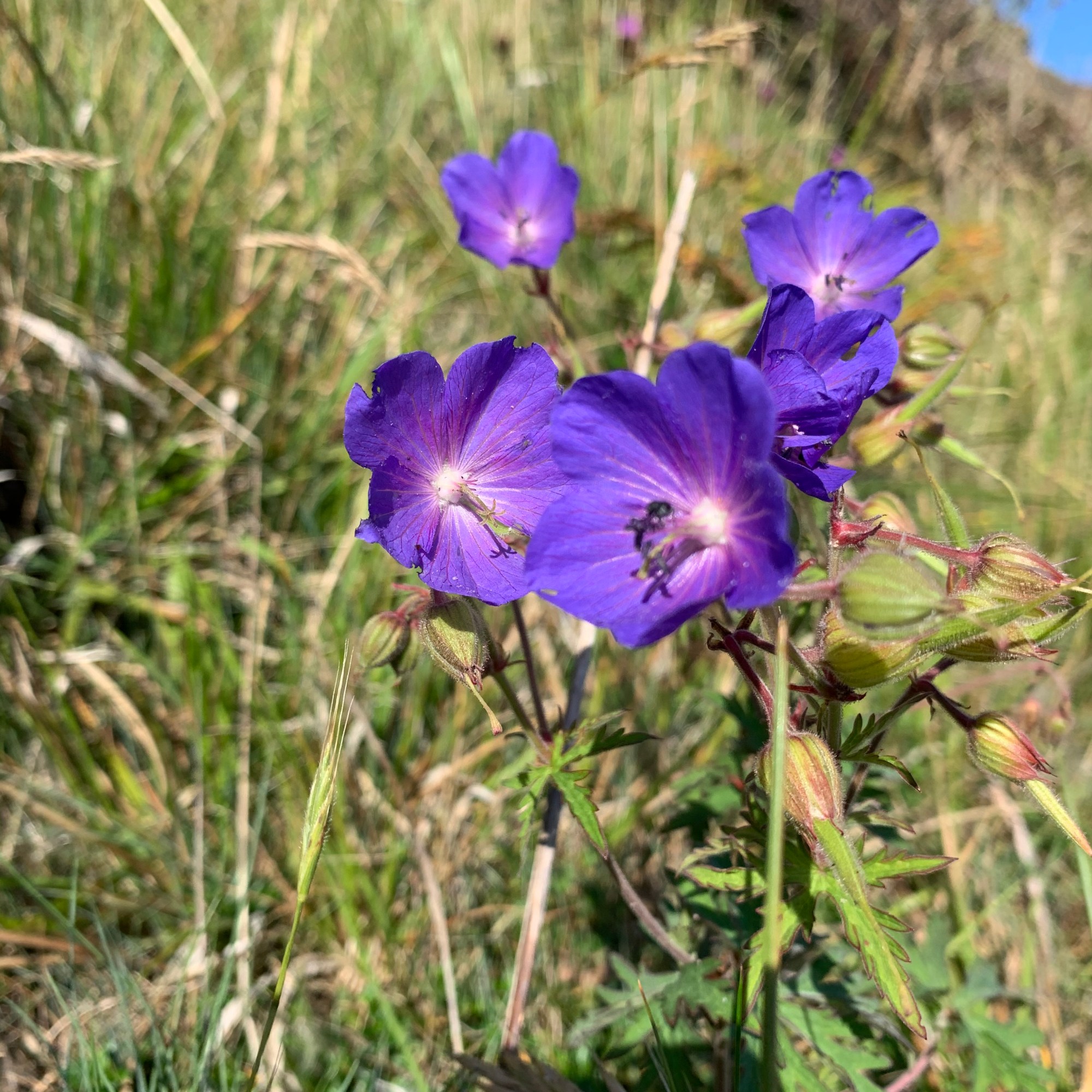
So it’s been a mini journey of discovery for me so far this year.  I’ve really enjoyed spotting and identifying the plants I’ve seen every day but couldn’t name, such as lady’s bedstraw, field scabious, self-heal, eyebright and also looking out for the best and most beautiful specimens of some old favourites, like harebells, foxgloves and meadow cranesbill.  Try it yourself – take a closer look and use a book or an app to figure out what you’ve found.  The plants which grow in our home environment are so important for biodiversity, supporting pollinators, providing a healthy eco-system and help us to notice the change in seasons as early dots of colour give way to blousy, overblown hedgerows.   It’s useful and enjoyable to know what’s growing just outside your garden walls. 

Harebells and self-heal at the River North Esk
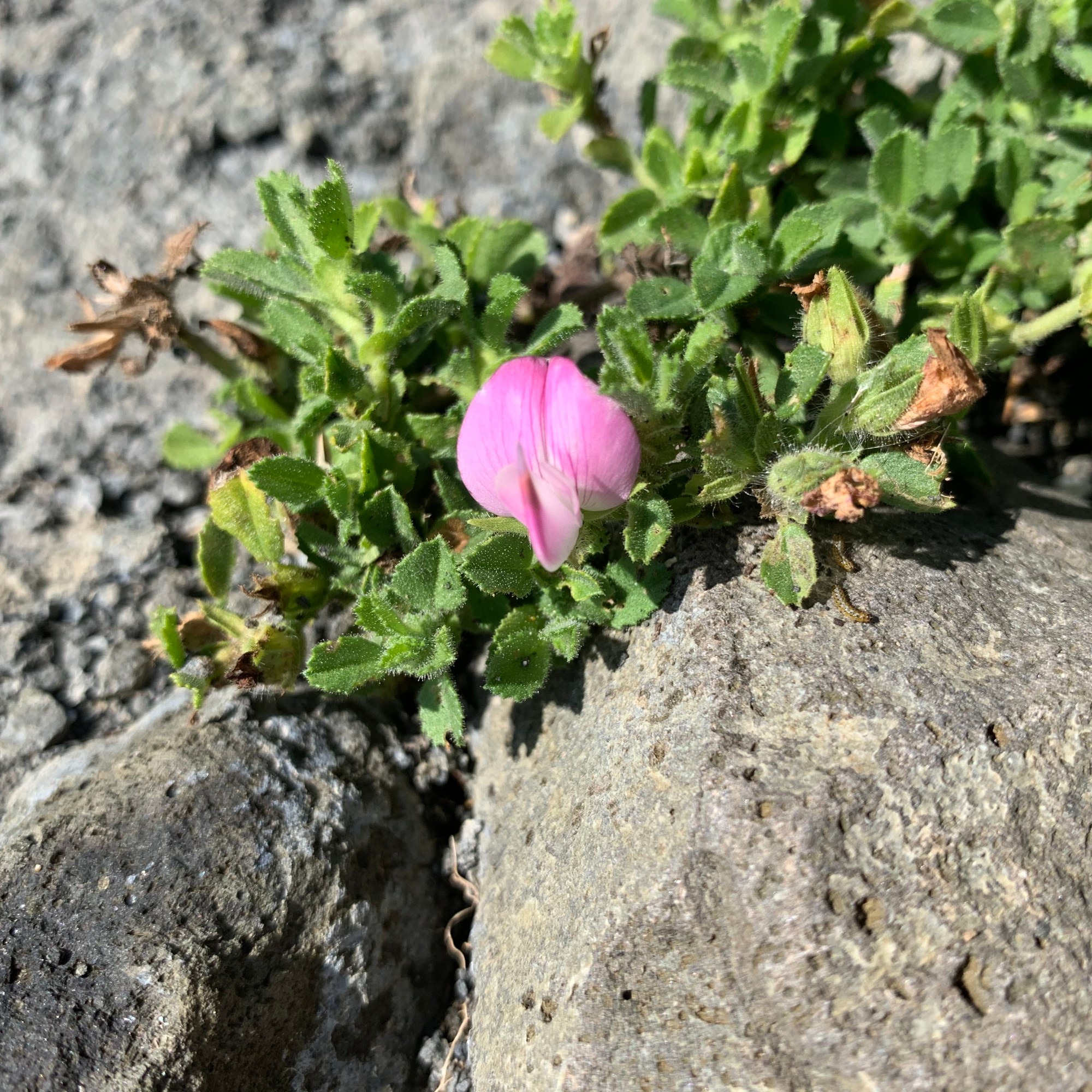
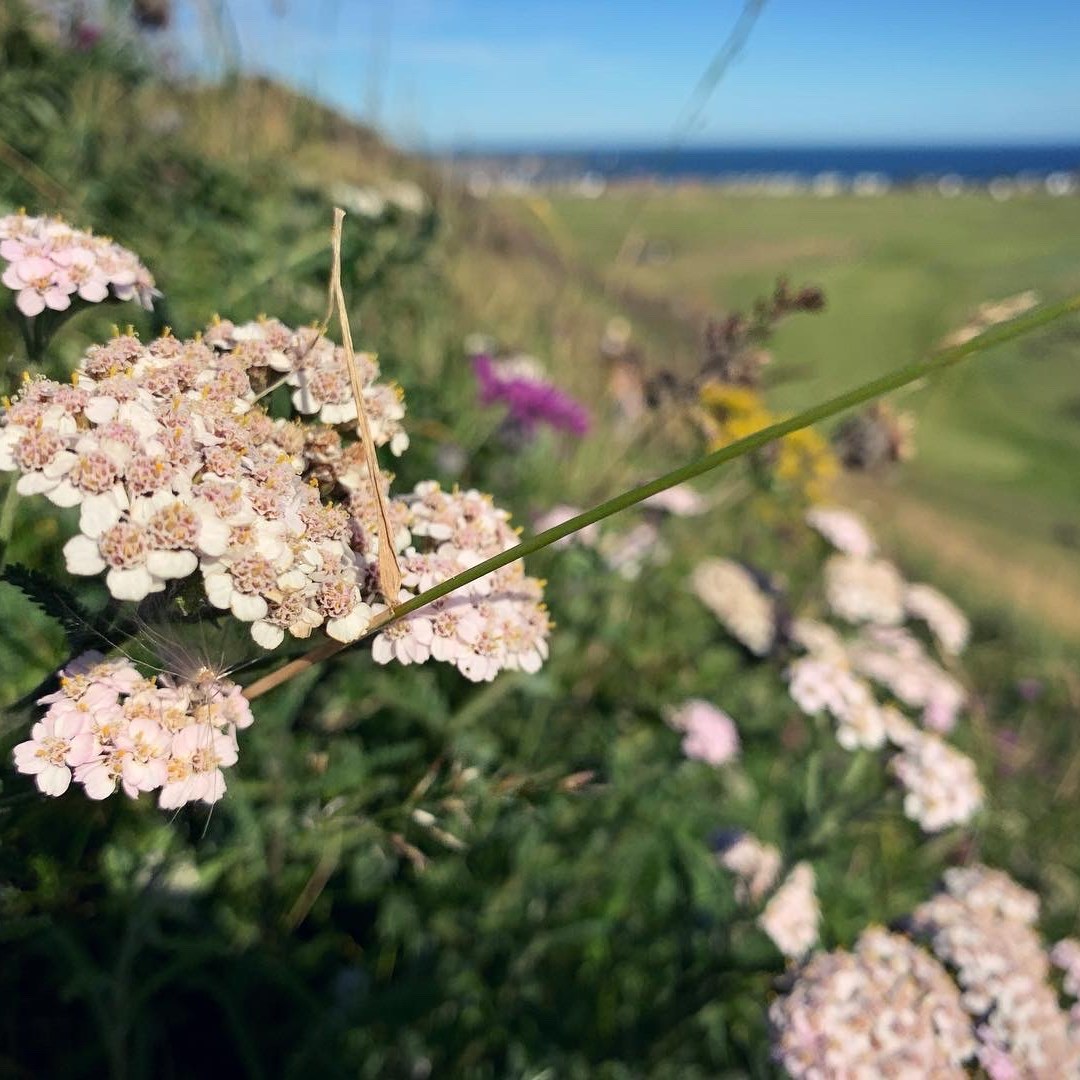
Meadow cranesbill, evening primrose, wild thyme, cornflower, rest-harrow (I think!), yarrow at Elie, Fife
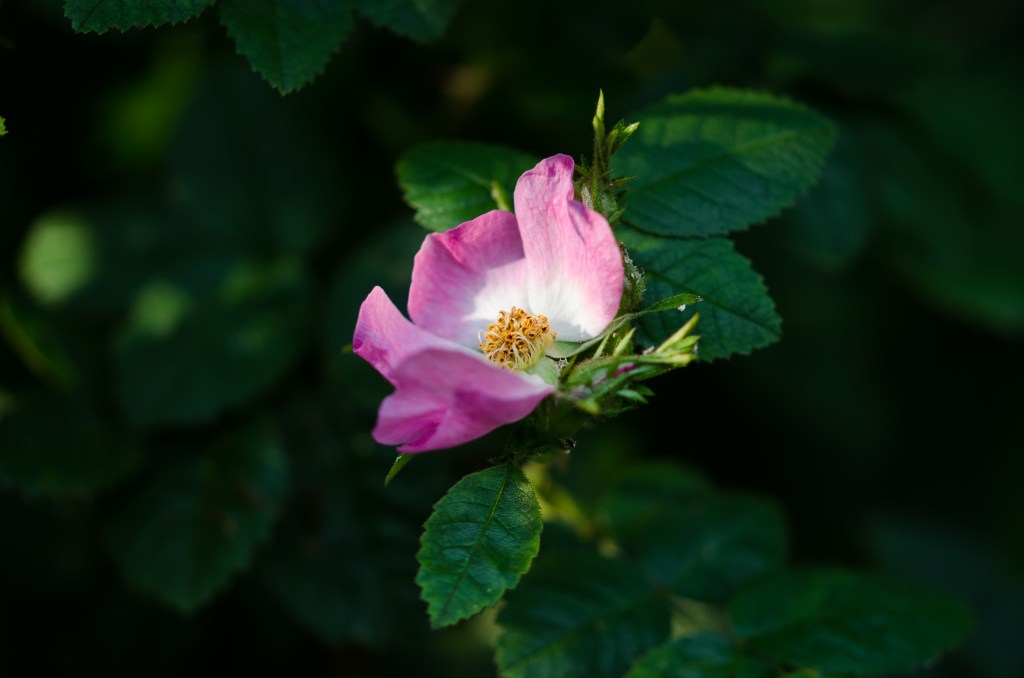
Wild rose, in the woods behind my home

Where do ladybirds go in winter?

This is the question I’ve been asking myself lately.

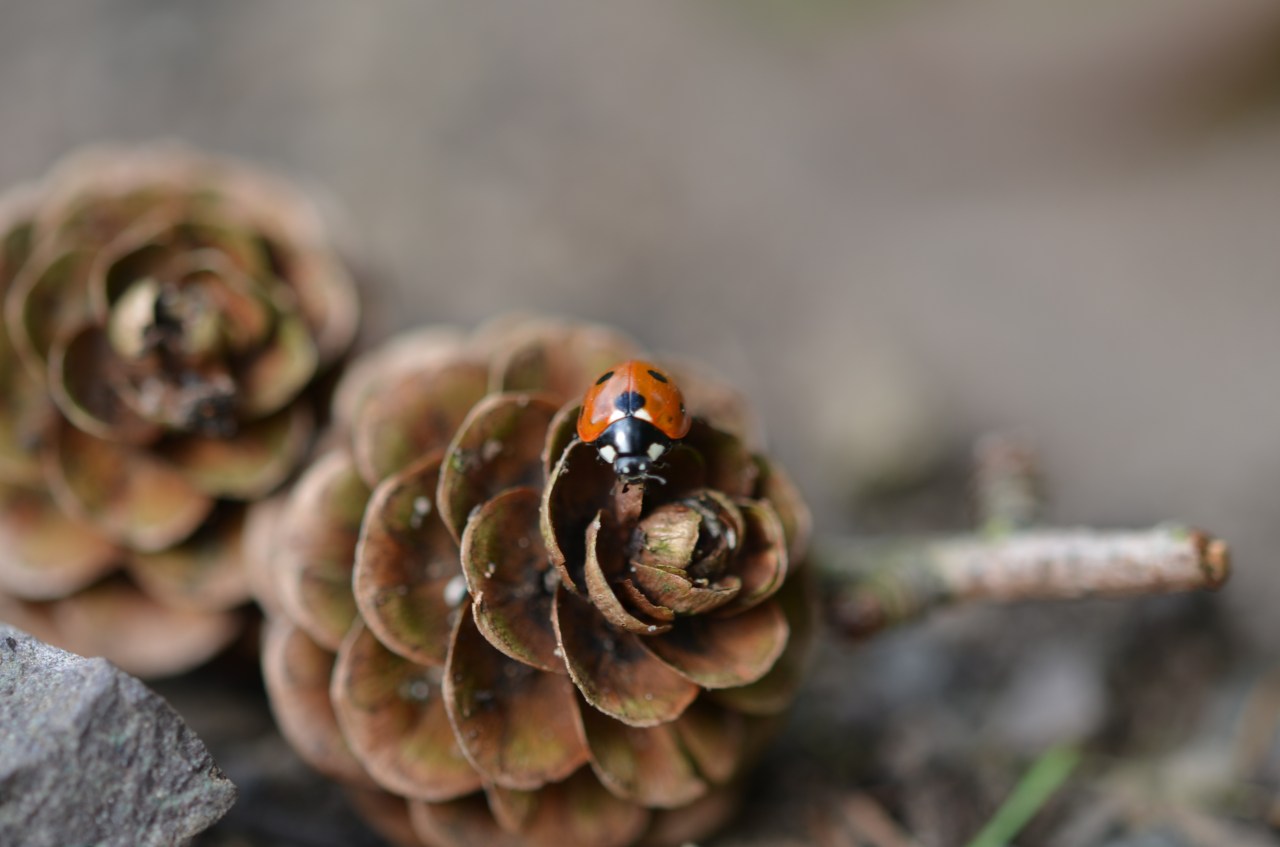
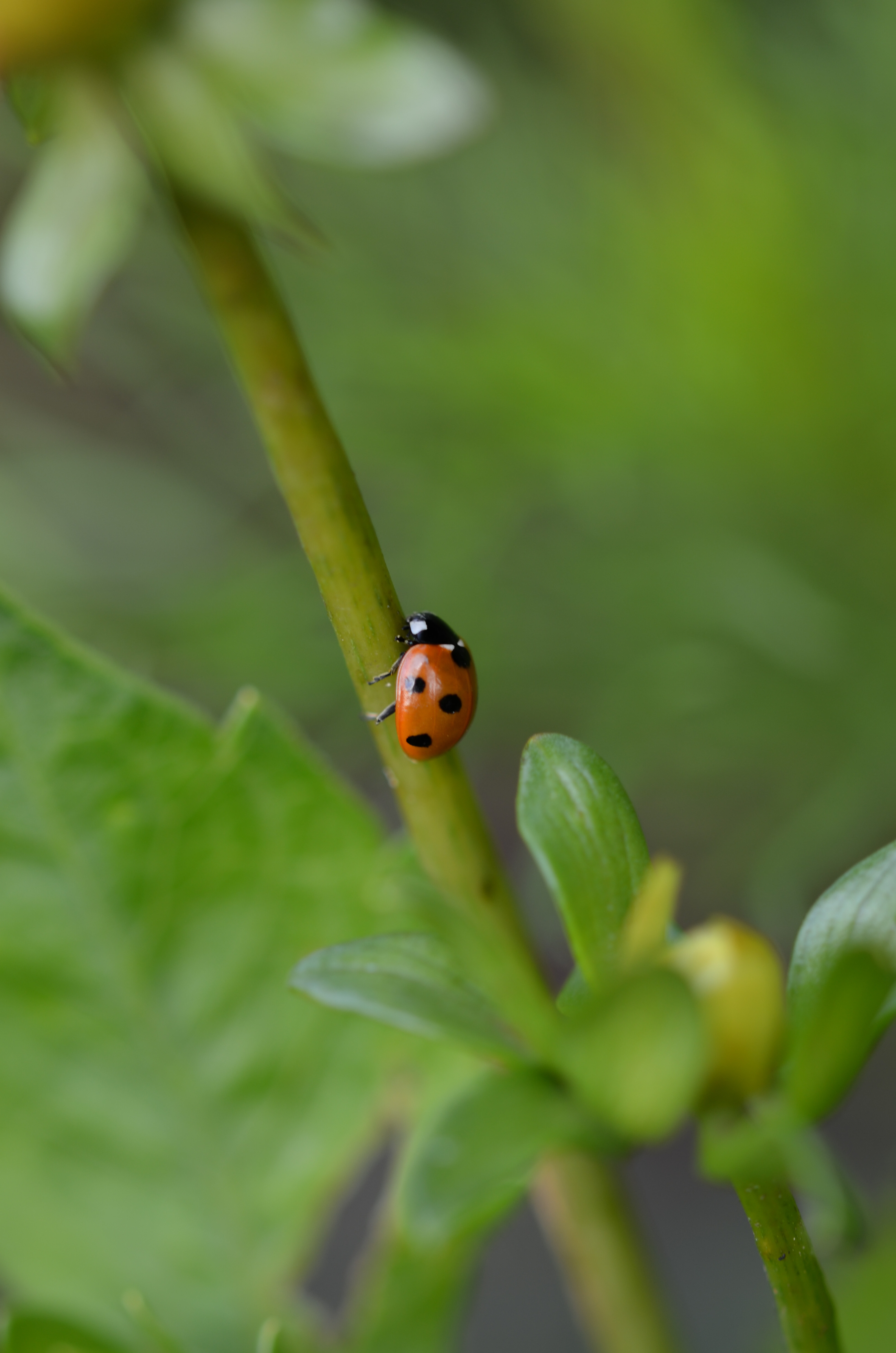
I’ve noticed more ladybirds than ever in my garden this year.  They’ve popped up all over the place – in pots, under the bin lids, on doorframes, in the house, and – thankfully – on my plants, presumably feasting on any pests which would dare to come their way.  It’s no coincidence that I’ve barely noticed a single greenfly since the spring.

20180826-DSC_0563

They seemed particularly happy perching in and around the sunflower heads, especially the slightly dried-and-curled-up faded flowers which must give them plenty of nooks and crannies in which to hide.

img_6982

They also – strangely – took to congregating in the multiple hose head thing which I installed to try and keep the plants watered while we were on holiday.  I’ve no idea why this was an attractive place to gather, but each time I looked in there were at least half a dozen piled into it.

img_6442

So, as the season has changed and the temperature’s dropped, I’ve been asking myself what’s going to happen to the ladybirds now?  Many of them still seemed to be hiding out in my faded sunflowers, and I needed to cut these down – but I didn’t want to disturb them or compost their winter hideaway.  And I don’t have a bug hotel in my garden which I could encourage them to populate instead.

dsc_0494

Apparently they do hibernate for the winter in various types of sheltered spots – tree bark, leaf litter etc.   They like crevices, leaves, bark, often low down.  So, having spent some time clearing the raised beds today, I did cut down the sunflowers, but took the heads of the flowers off first with a short section of stem and have piled them, and their little ladybird occupants, in a sheltered corner.  Hopefully the ladybirds will make themselves cosy there for the winter or can crawl away to the many trees and piles of leaves nearby which might make a more suitable winter holiday home.

I certainly hope they will wake up and return in the spring – it’s been a real joy to have a loveliness of ladybirds sharing my garden this year.


dsc_0382

Nesting

DSC_0610

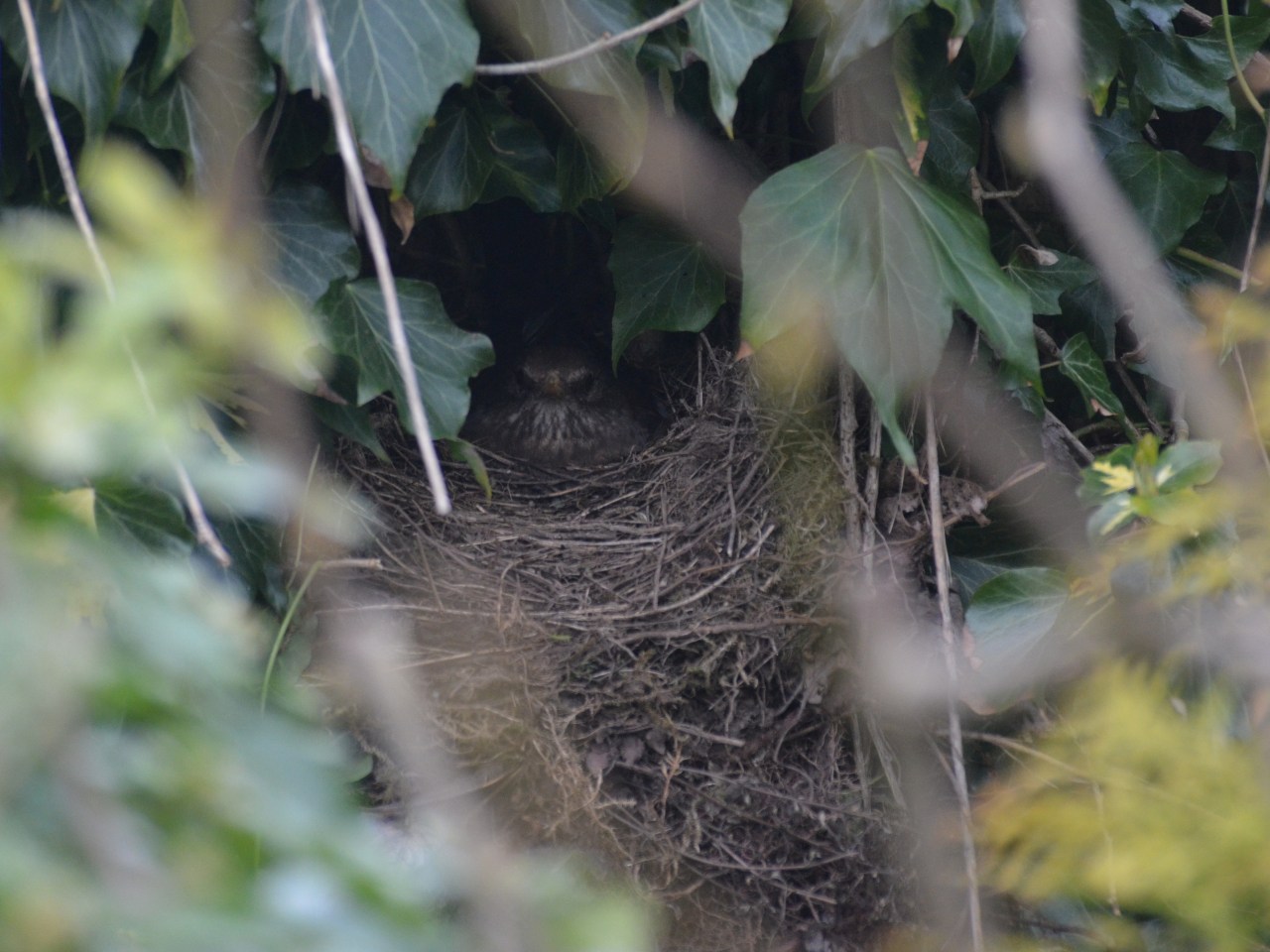
Spotted this afternoon…Mrs Blackbird sitting in the large nest she and Mr Blackbird have built in the ivy wall in the back garden, nicely hidden behind a large conifer.

I noticed the nest a few days ago but it was only today I spied one of them actually in it. And she spied me spying on her – she doesn’t look very happy about it does she?!

A walk in the woods

I hadn’t even stepped into the woods when I heard the noise which literally stopped me in my tracks and made me grin broadly.  The sharp rapping sound of the Great Spotted Woodpecker rang out – a warm, hollow drumming; I stepped forward and there was a distinctive bouncy flutter through the trees; then it came again, further away, the note a slightly higher pitch than before but unmistakeably the sound of a sturdy Scots pine resonating under the drilling of that large pointed beak.

The sound makes me grin like a loon every time I hear it, partly because I feel so lucky to walk just a short distance from my home and hear such a singular sound of nature, of a bird which is fairly common but not always easy to spot.  But I was also grinning because the sound of a woodpecker drumming on a tree, like some teenage rocker practising licks and fills, means Spring is most definitely en route.  The woodpecker is staking out its territory, and advertising its presence to potential mates, getting ready for the nesting and breeding season which is peeking its head around the corner.

Yes, the signs are all around now, though it’s so early in the season that you still have to go looking for them.  The trees are still quite bare, of course, but the stark branches reveal evidence of last year’s nests, a reminder that the time is coming for the materials to reused and recycled for new homes, soon to be built when the leaves return to provide essential cover from predators and the elements.  The leaf buds are small, but they’re there.

Near the ground, the snowdrops are now making themselves more obvious – popping up in clumps under trees and at the roadside; and the green shoots of the occasional daffodil are working their way out of the soil.  These are the typical signs of spring – but now look up and notice what the birds are doing.  Further into the woods some chaffinches are chasing each other so fast they’re almost blurry – seemingly taking advantage of a sunny, bright morning to indulge in a rather flirtatious game.  I walk a bit further in search of one of my favourites – a jay, which is squawking crossly from the top of a nearby tree, but as usual he is one step ahead of me and off to take refuge near a hedge, giving me only the briefest flash of his distinctive white rump, which is enough to satisfy me for now.  A pair of woodpigeons somewhere nearby are cooing contentedly and as I stand for a few minutes, watching three (or was it four?!) red squirrels scamper through the trees, there’s a Great Tit nearby loudly and persistently calling “teacher-teacher-teacher” as if to get the attention of some invisible educator in what was turning out to be a rather busy woodland classroom.