New Year, new blog post, new garden plans

It’s 2023! Garden-wise January can be a bit of a grim month. Everything looks brown and soggy and the days are still very short and usually cold, offering far fewer opportunities to get outside and do anything more than tidying up fallen leaves or cut down decaying stalks.

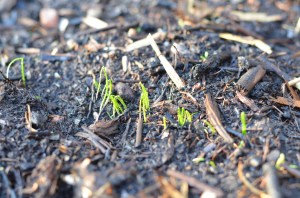
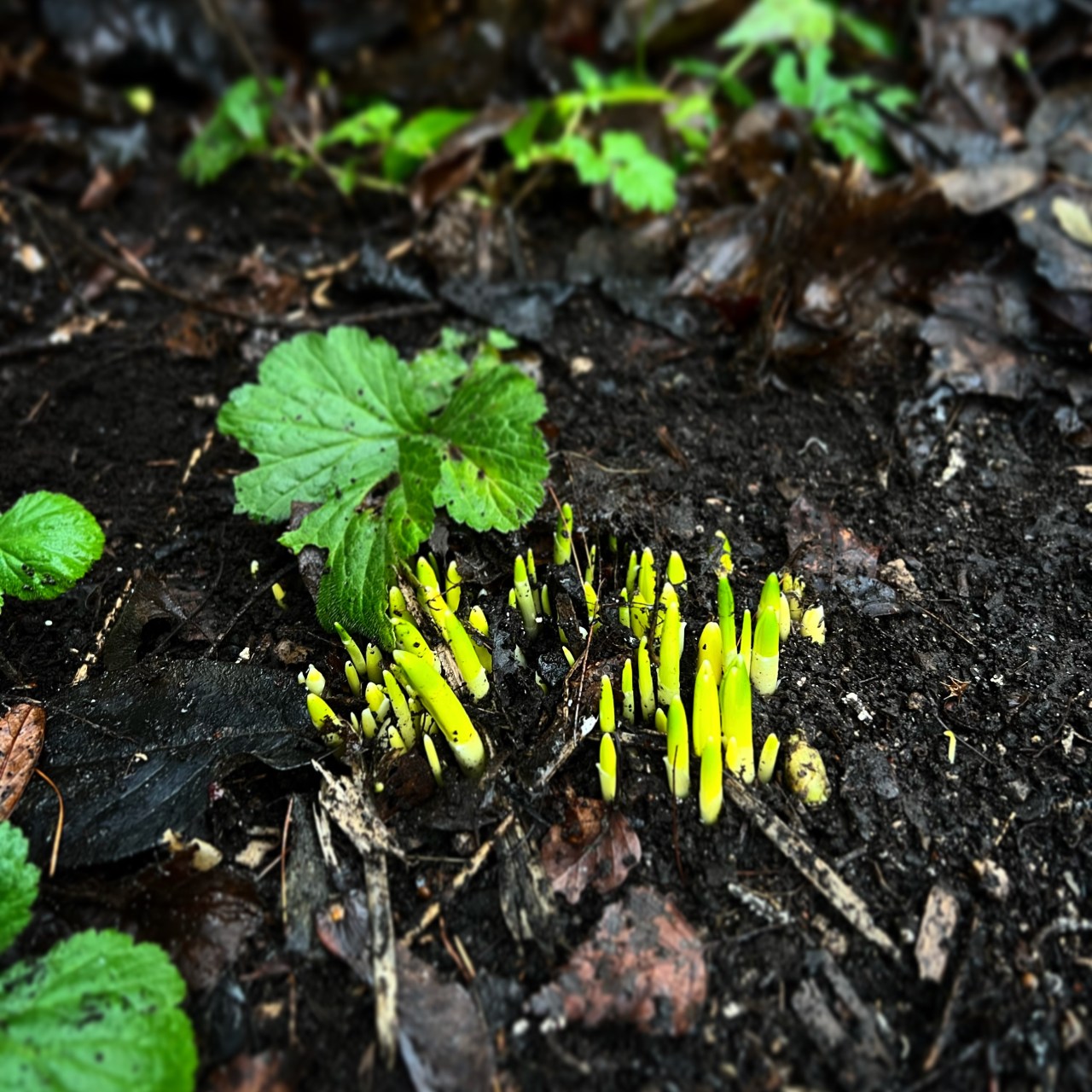
I do always get strangely excited about the turn of the year though, because I know that very soon I’ll be seeing the first little shoots of bulbs poking through the soil – and in fact many of them are already doing just that. January also means it will soon be time to start some early seed sowings. True, it’s still much too early for most annuals or vegetables, but there are a few seeds which do benefit from an early start, especially in Scotland, if you can time it right. 

Bulb shoots are nosing their way out of the soil in my back garden

Instead of making new year resolutions, I prefer to consider what I’ll do more of and what I’ll do less of each year. These are small shifts, as opposed to grand gestures, which are more likely to fall by the wayside.

In the past 12 months I’ve moved up from part time working hours to full time – and that has definitely impacted on the time I can spend in the garden, so I’m taking that into consideration for my 2023 growing plan.       

What will I do less of in the garden this year? 

  • Grow dahlias – I tell myself every year not to buy too many dahlias, and I inevitably fail miserably! However this year I think I’ve really learning my lesson – the dahlias definitely suffered because a lack of time, not to mention the very cold weather we had quite suddenly in November, and as a result of not lifting them and protecting them at the right point I’ve lost most of this year’s tubers.  So this year I will grow fewer dahlias and look after them better. I’m certain I’ll enjoy growing, taking cuttings and nurturing a smaller group, especially if it results in a better display of flowers from them this year. 
  • Growing less, better! – Again, my time in the garden is more limited than it used to be – and I want to avoid spiralling into overwhelm because I have 40 million seedlings to pot on, grass up to my knees and borders full of weeds! So simplification is the key – growing a smaller collection of vegetables, cut flowers and hopefully keeping on top of things as much as possible.
  • Spend less time in the garden – but MORE OFTEN. This is key – I may not have 2 hours to spare every day but I can still get a lot done in 10/15 minutes, or half an hour here and there – and I’m reminded of that every time I do it. Pulling a few weeds, deadheading flowers, pricking out a few seedlings – these things never take quite as long as I think and even a short spell in the garden or greenhouse is time well spent on my own health and a welcome break from work or home life! 
  • Hatching chicks – we love hatching and raising little chicks, but after a difficult time rehoming a number of boys last year, I swore I would not do it again. I’m planning to sell the incubator and enjoy the lovely hens we already have this year.
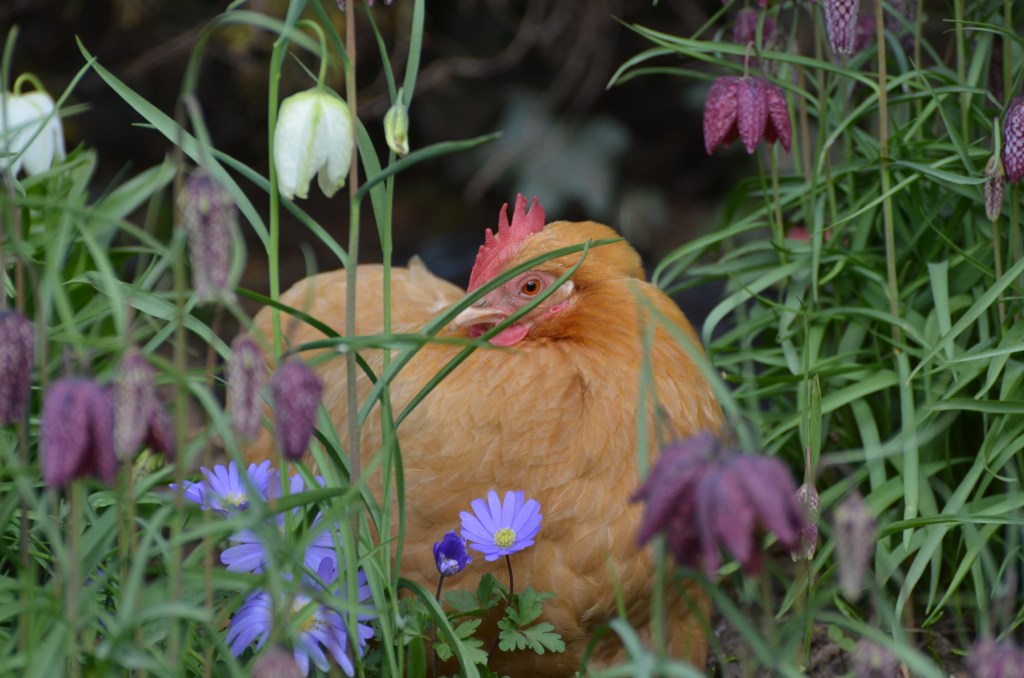
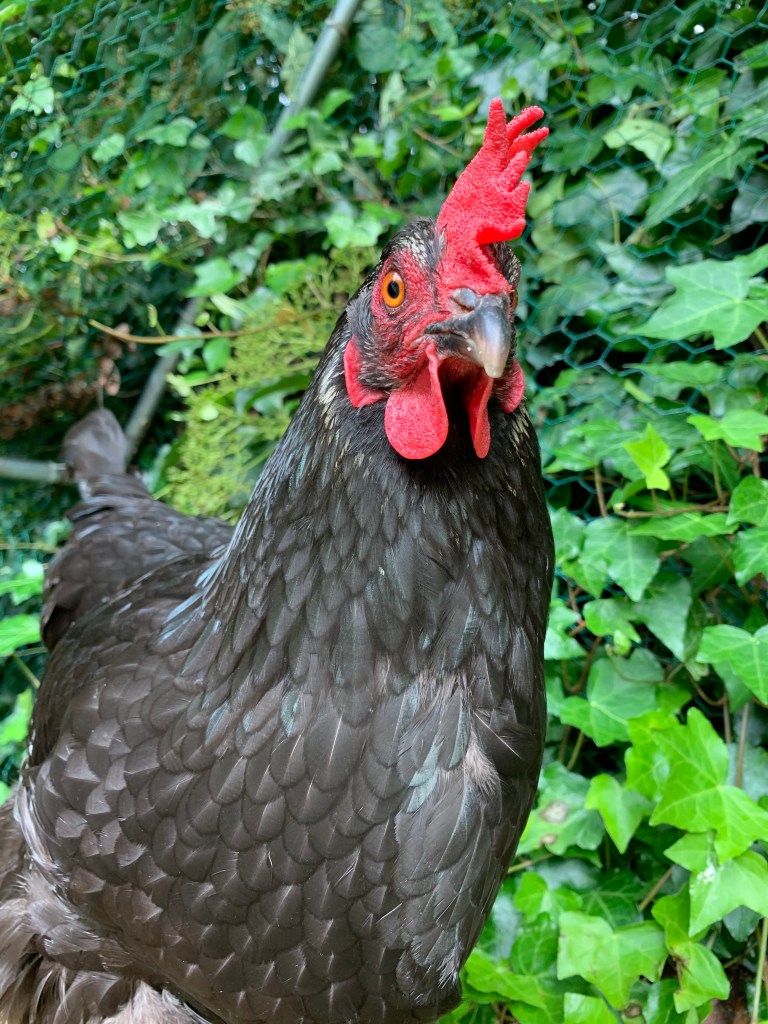
Molly approves of my plan…

What will I do more of in the garden this year? 

  • Design – I need to revamp one of the main patio areas in the garden; it’s been looking sad and bare (apart from the weeds) all winter and it’s one of our main sitting areas when the weather is good, so I really need to crack on, decide what we’re going to do with it and then get it done! I have a vision for a combination of circular paving, gravel and some drought tolerant, airy planting.
  • More design – I’m interested in Scone Palace’s design competition (details on their Facebook page) – I have no idea if I can do it, but I’d love to give it a try and I already have a few ideas around a possible theme… it seems like a good starting point to test my garden design skills, which I am currently studying to acquire so that I can pass some…
  • …exams – I’m determined to complete the RHS Level 2 course this year so that I can finally achieve a horticulture qualification. Two more exams to go in February – fingers crossed!
  • Pollinator friendly plants – more, more, more. I think this (and a decent level of drought tolerance) will be guiding my decision making this year – I just love seeing bees, hoverflies, butterflies, bee flies, ladybirds, all manner of insects flying or crawling around the flowers in my garden, so I’ll be choosing and growing more of the kinds plants which attract them and feed them. 
  • Podcasting?? This is a very tentative late entry. I miss writing and recording and meeting new and interesting Scottish gardening people. I might need to experiment a bit with format, content or routine, but if I can work out a way to make podcasting fit into my life alongside work, family and the garden itself, then you might be seeing some new episodes of The Scottish Garden Podcast in 2023…
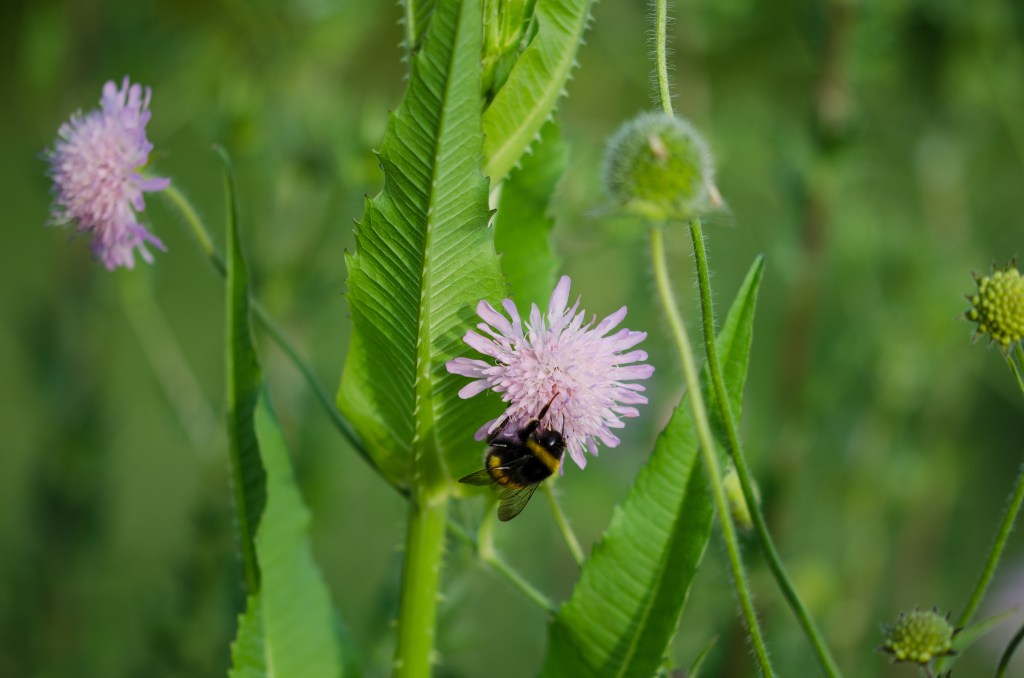
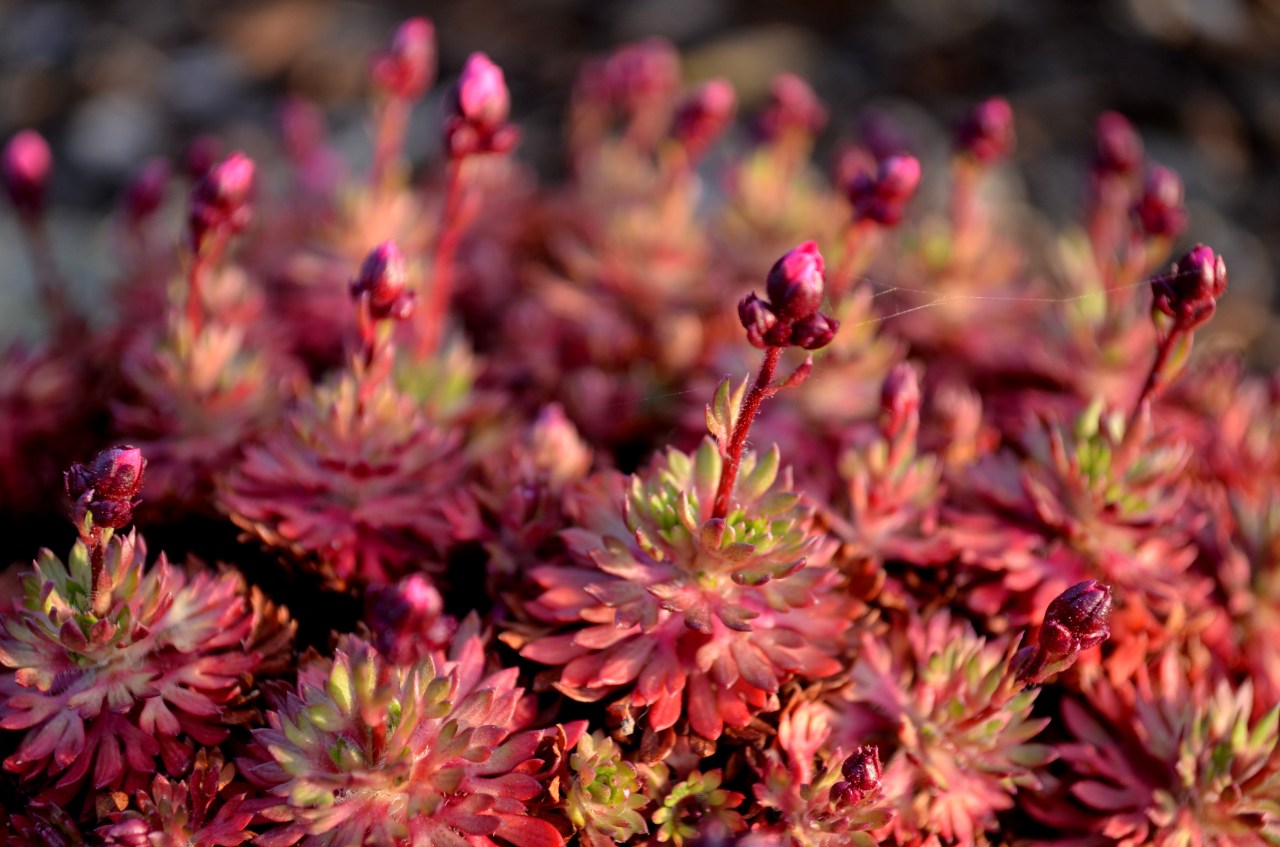
I’ll be growing more pollinator friendly plants in 2023, like this Knauti macedonica, which bees love

Make your hens at home in the garden

Owning a flock of hens doesn’t have to mean bare lawns and patchy plants.  Your chicken coop can be an eye-catching feature, or blend into the background – and you don’t have to sacrifice your lawn for your feathered friends either.  Let’s have a look at how to keep chickens in the garden without compromising the look and feel of your outside space.  

Many of us keep hens in the garden, perhaps because they are family pets, special breeds or simply because they entertain us and it’s good to watch them potter about while we enjoy a cup of tea.  Some people believe that hens and gardens don’t mix – that the birds will destroy precious plants and the coop will be an ugly addition to your beautiful borders. But for those of us keeping a small backyard flock for pleasure (or a small profit) it doesn’t have to be that way.  There are plenty of plants which can co-exist with chickens, and whether your hen house is a thing of beauty or a simple structure, it’s worth thinking about how it fits into your outside space, and perhaps making a few tweaks so that it earns its place in your garden and your daily field of vision.  

Building your coop into the garden

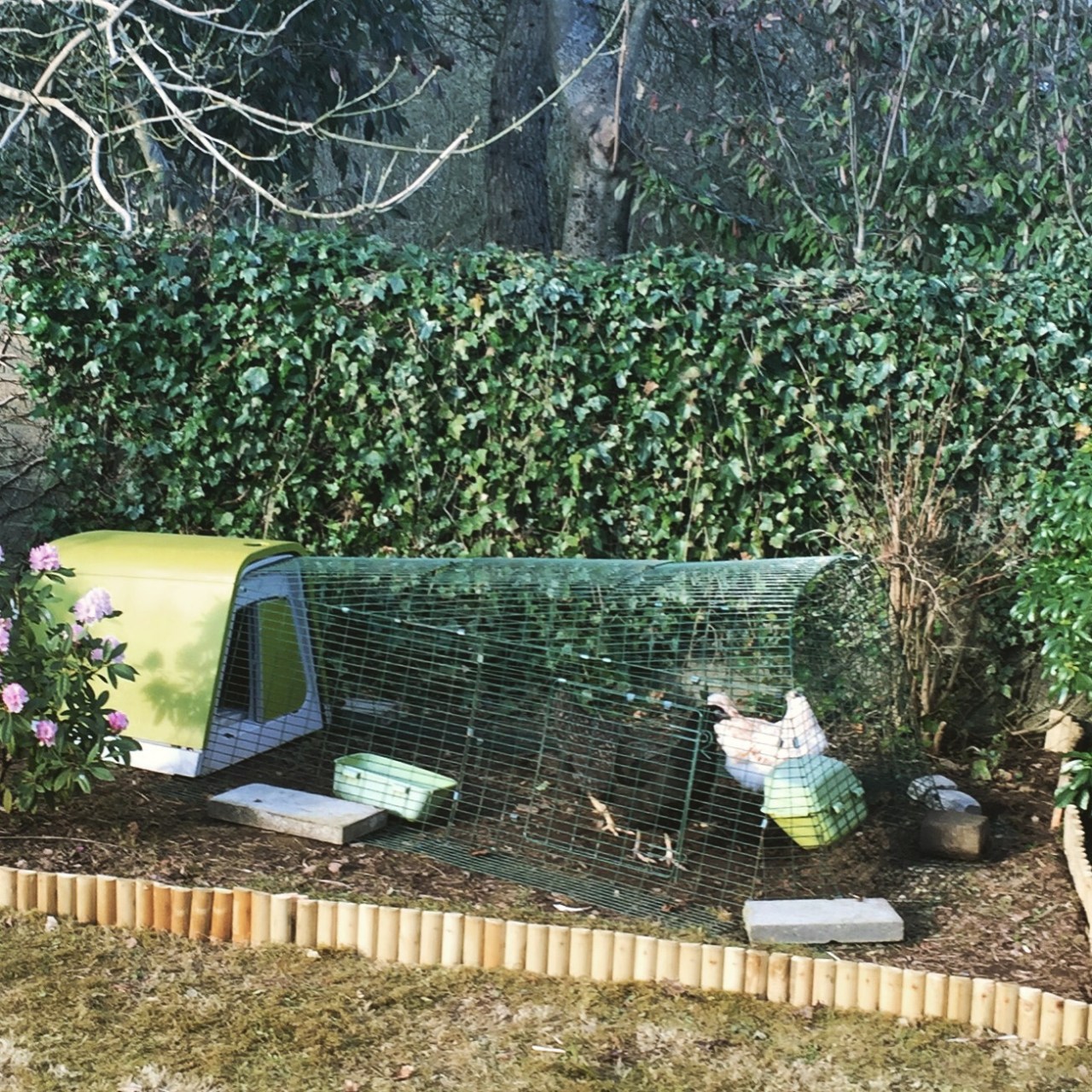
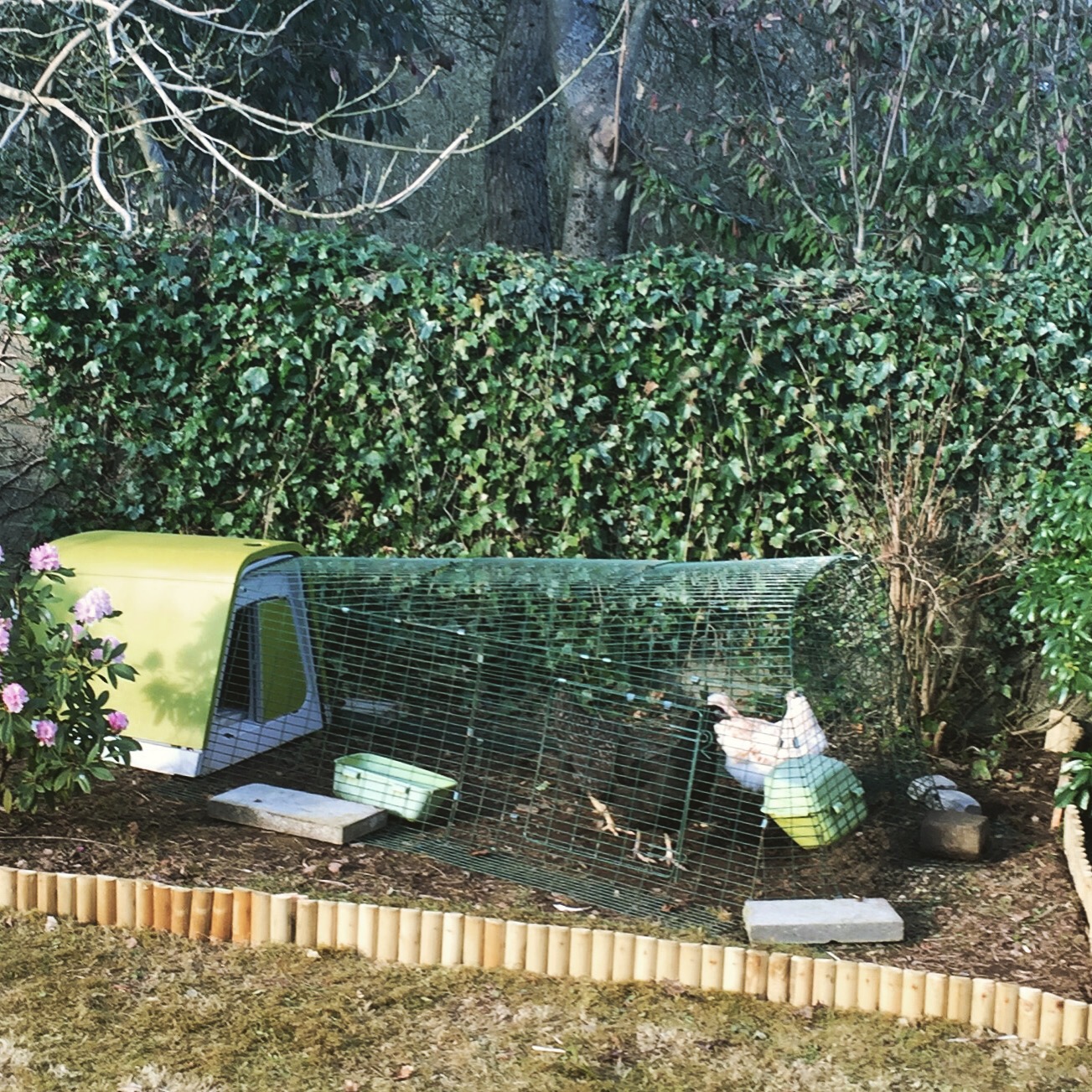
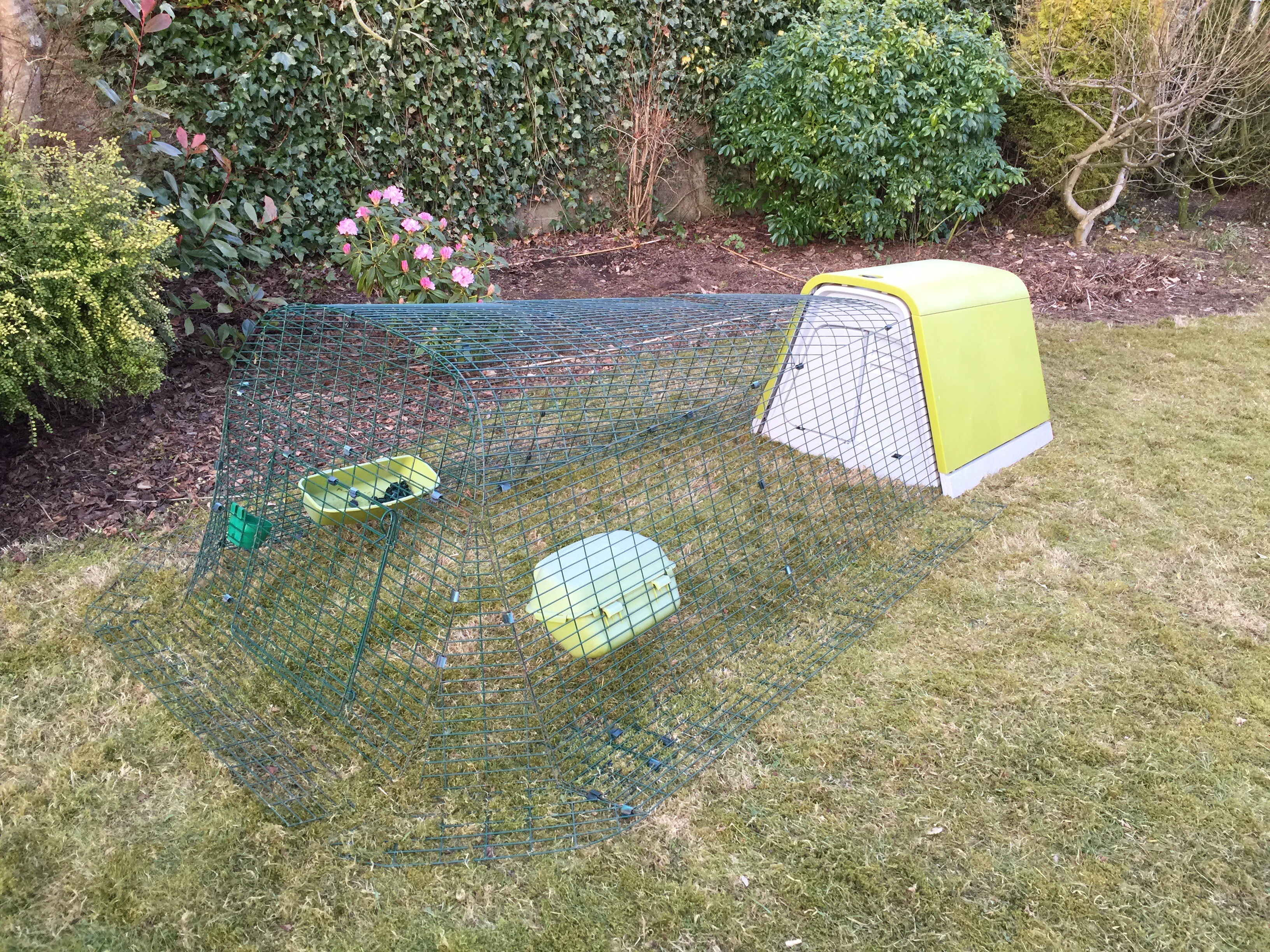
The main things to consider when siting your coop in the garden are, of course, security, safety and the wellbeing of your hens. Fox-proofing and sturdy locks are essential to keep predators out.  Ideally the run should get a decent amount of sunlight as well as providing areas of shade during hot weather.  Existing trees and shrubs can be useful for this, as well as providing the perfect dustbathing area underneath where there is nice dry soil at the roots. So rather than plonking your run on the grass, which will disappear within days and turn to a mud-bath if not moved regularly, why not incorporate it into your borders?  This is what we did when we acquired our first three hens.  There was a suitable gap in the planting which allowed us to fit in a coop (green Eglu Go) and small wire run, surrounded by netting.  The idea was to allow our new little flock to roam within the netting and keep them out of the garden as a whole.  Fast forward four years and, of course, we’ve expanded.  The same coop is now inside a much larger aluminium run, providing more security when the family is out during the day, and allowing them the freedom of the whole garden when we’re around to keep an eye on them.  

I’ve gradually added planting around the walk-in run, including herbs and annuals like catmint, nasturtiums and sunflowers

In upgrading our hens’ housing I wanted to take into consideration how this new structure would look in its setting – after all, steel tubing is not the most attractive material – and I was keen for it to blend into the back garden, rather than sticking out like a sore thumb.  So I decided to incorporate a couple of small planting areas at the front, filled with herbs and flowers which would look attractive and could also be beneficial for the chickens.  Spare bricks were used to mark out two rectangular mini-beds on either side of the run door which were filled with a variety of fast-growing, bushy annuals and perennials, including nepeta (catmint), violas, nasturtium, lavender and mint. The lavender and mint can be used in the coop to fragrance and freshen the nest box and are a natural insecticide. Nasturtium leaves are said to be a natural wormer and antibiotic.  All of the planting filled out nicely over the season, decorating the front of the run without screening it so much that I couldn’t see what the hens were up to.  The addition of a bench close by completed the picture, allowing the opportunity to sit and enjoy watching my flock wander around the garden from time to time – although it’s possible they use the bench for sunbathing more than I use it for sitting!

A coop to suit all styles 

Consider the look and feel of your garden when you’re planning your hen house.  My garden has a natural woodland feel to it so the coop and run blend into the background much better now they’re surrounded by shrubs and plants.  However it’s also possible to make a feature of your coop – after all, some are made to be shown off, with beautiful paintwork or a funky design. A modern garden style lends itself to featuring more unusual structures – plastic coops in bright colours or repurposed materials.  It’s possible to recycle a child’s plastic wendy house or repaint a kennel or shed, including the essential nest boxes and perches required.  Or you might have a more traditional garden which calls for a sturdy wooden house and perhaps a ‘living roof’.  This involves planting a variety of low-growing sedums or wildflowers which will really ensure the coop looks like it’s at home in your garden.  

Protecting your plants

If you’re keen to let your hens free-range in the garden but don’t want to sacrifice your beautiful borders, you may need to take some steps to make sure they’re protected from curious beaks and those dinosaur feet, which are great for digging up insects but don’t care about the new bedding plants or young shoots that get in the way. Equally, if you like to grow your own and you’re keeping a fruit and vegetable patch in the same area as your hens this will also need some security to ensure you manage to harvest any crops before your chickens do.  They will especially enjoy raiding your veg beds for leafy greens, sweetcorn and any berries they can get their beaks on.  If you want to keep chickens away from a whole area, such as a vegetable garden, you could put up a fence made of netting or chicken wire as a barrier – but it will need to be high enough to stop them from flying over (at least 6 ft), or you can clip their wings to keep them closer to the ground.  

Chickens love to perch and jump up on any garden structures – and they don’t care what plants are growing inside!

One of the best ways to avoid damage is simply to grow plants which are tough and not particularly tasty for your hens.  Chickens do seem to know what they can eat and what they can’t.  They’ll avoid anything unpalatable and will find it difficult to destroy more resilient plants, such as varieties of bergenia, hebe, geranium, camellia, hosta or ferns – and there are many other shrubs and perennials to choose from.  It’s fairly straightforward to protect individual plants from harm – place a ready-made cloche over young specimens which are newly planted, or create a wire dome or cylinder, pegging it down to make sure it doesn’t blow over or get knocked off. An upturned wire basket would do a similar job, or netting propped up with bamboo canes.   Once good growth is established with strong roots and plenty of leaves the barrier can be removed and the plant should survive the occasional trampling.  

Wherever you choose to place the chicken coop in your garden, as long as you provide a safe and dry enclosure for your hens, with access to food and water, your hens will be happy.  Whether you allow them to free-range or keep them enclosed, your flock can be a vital part of your own little ecosystem, contributing to the sustainability of your garden and bringing life to your green space in many different ways. They rake moss out of the lawn, reduce pests, aerate the soil and fertilise it too.  Not only that but they entertain AND provide eggs on a daily basis – there isn’t another product on the market that’s so good for your garden! 

This article first appeared in Country Smallholding, June 2020

The highs and lows of henkeeping

Minnie

Keeping hens in your back garden is a glimpse into the good life, a step, albeit small, towards self-sufficiency. They might only provide your lunch and some ingredients for your next cake, but owning chickens allows one a slightly superior air in conversation. “Oh I never buy eggs any more, our girls provide them for us!” you’ll say with a smug look. What you won’t mention, when you’re chatting over the garden fence or standing at the school gate, is all the times you’ve mucked out a coop in the drizzling rain, dropping straw and chicken poo into your wellies, or how they pecked the living daylights out of your new bedding plants, or that time one of them successfully caught – and ate – a mouse in front of your horrified children.

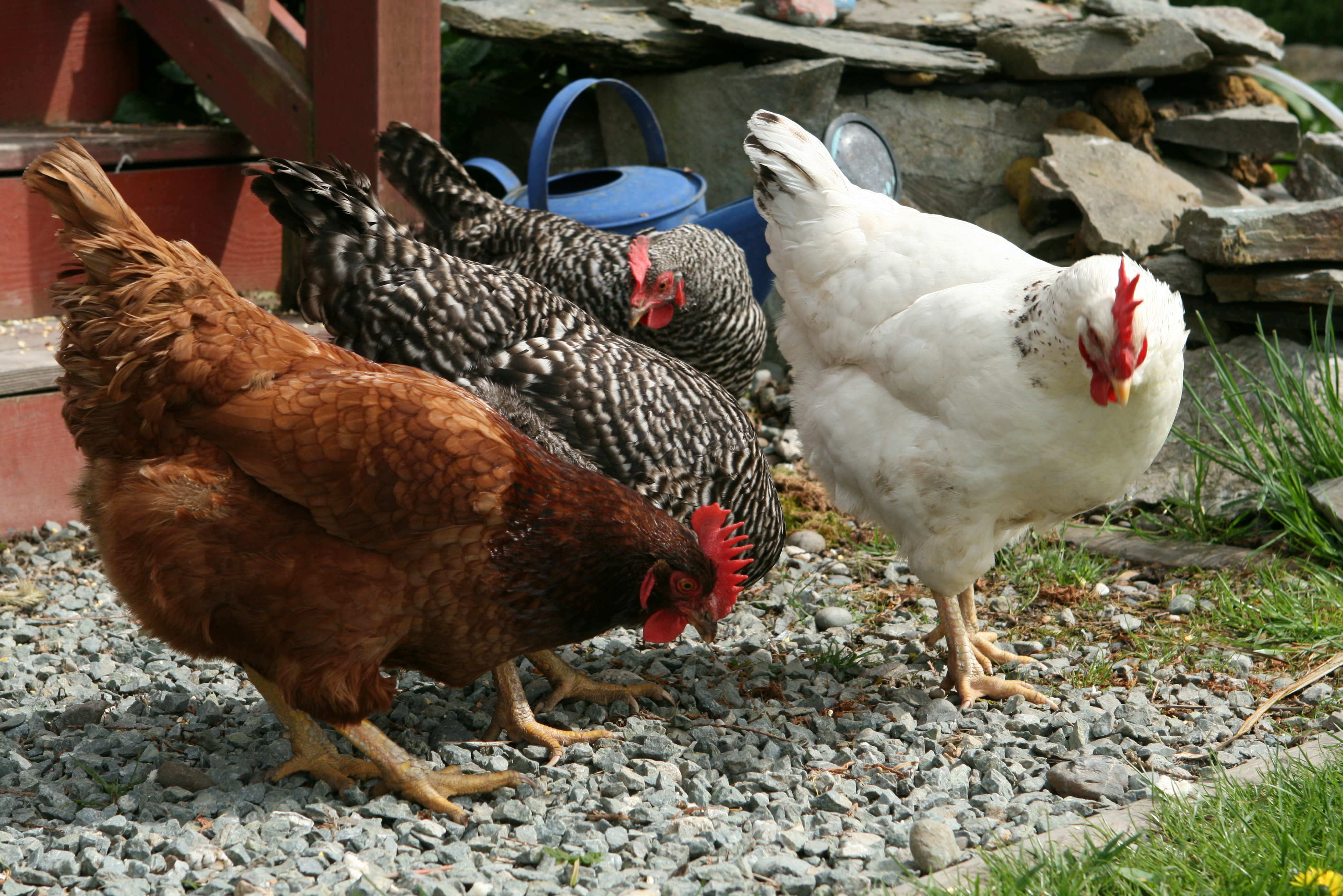
And yet, those feathery little females quickly charm their way into your affections. With their sharp senses and inquisitive nature they’re not as flappy and feather-brained as they might seem at first. Chickens are intelligent, funny and great garden companions. We have three hybrid hens – a mixture of breeds which make reliable layers – and they have certainly done their duty, supplying us with a few hundred eggs between them so far. Not only that, but they regularly provide entertainment and some actual LOLs when we watch their antics in the back garden. One of their textbook moves is to amble casually out of the run when they’re allowed out to free range, then suddenly all three make a frantic, feathery dash to the bird table, racing each other to hoover up any scraps left behind by the garden birds. Or piling on top of each other for a major dustbathing session, rolling and scraping up the dry soil into a massive mushroom cloud of hen happiness. The three of them have created such a large bowl under one of my conifers it’s like they’re trying to dig for Australia.

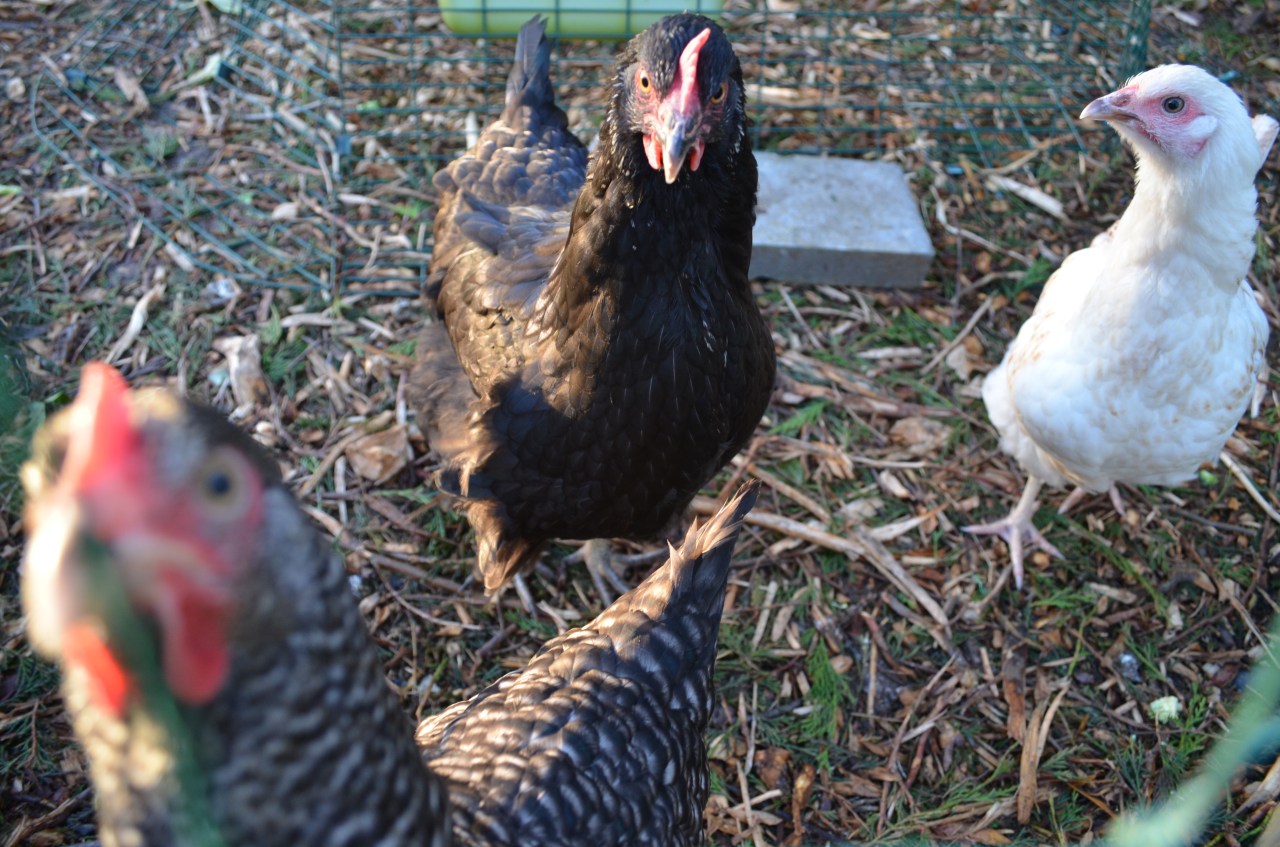
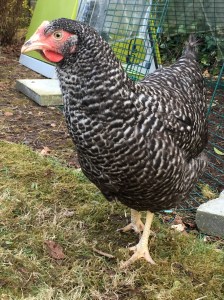
We’ve got to know our three chooks well over the past three years – each one has a distinct personality. Our speckled hen, Polly, is the boss and makes her presence felt – literally – when there’s a tasty treat on offer, regularly dismissing the other two with a sharp peck. She won’t think twice about stealing a juicy grape straight out of another hen’s beak and gets first dibs on any bowls of porridge supplied on a chilly morning. Iona is probably next in the pecking order and is vain, probably because she’s the prettiest. She’s the first to dive into a dust bath and will spend ages preening her creamy leg feathers, which are so wide and frilly they remind me of French bloomers. Minnie is the most timid but also the sweetest. She’s the last one out of the coop on a snowy day, completely freaked out by all the cold, white stuff on the ground. But if you can catch her she’s content to sit in your arms for a few minutes so you can stroke her back and admire the gorgeous beetle-green sheen on her black feathers.

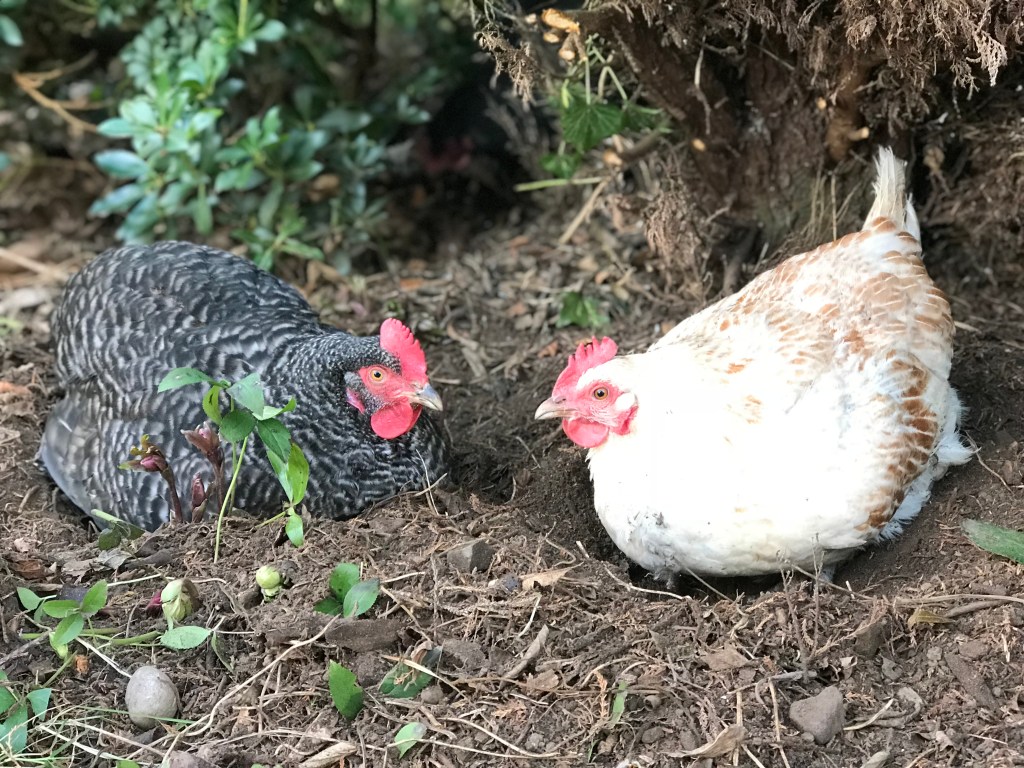
Polly and Iona in their favourite dust bath

It’s true to say that life with chickens is not all yummy eggs and fluffy feathers – hens can be noisy when they’re alarmed, laying, or just protesting about being cooped up for too long. They can produce some very strange eggs in the beginning and, yes, there’s quite a lot of poo. I won’t even mention the prolapsed oviduct (I would advise you not to google it) which forced me to spend part of a family BBQ at the business end of a rather unhappy hen. But they’re also relaxing to watch, friendly, and their eggs really are better than shop-bought ones. Clearly something about our trio has persuaded me that back garden henkeeping is worthwhile, because I’ve just bought a second coop, a small incubator and 6 fertile eggs..!

Apollo and Rocky – the result of the aforementioned hatch!

This article was first published in Garden Answers, June 2019

Chickening out

I’m a bit feather-brained at the moment.

We have three chickens – Minnie, Polly and Iona – they’re our first little flock and we’re extremely fond of them.  I have previously documented their arrival here and since we got them they seem to be quite happy in our back garden.  They’ve recently started laying again after a bit of a break over Christmas time and their eggs are delicious.  My current favourite lunch is poached egg and avocado on a nice bit of thick bread, with a good cup of tea.  YUM.

Our hens live in the middle of a back border in a second-hand Eglu (thank you, Gumtree) and have a small run outside of the main coop and wire run.  We have experimented with free-ranging before, but for various reasons I have always gone back to restricting them to their bigger run and keeping them out of the main garden.

The reasons included – bird flu restrictions (the advice was to keep them under cover and away from wild birds for several weeks), poo on the grass and paths, fears they would eat some of my plants – plus one of them worked out how to escape and, having had a taste of freedom, would get out at inconvenient times.

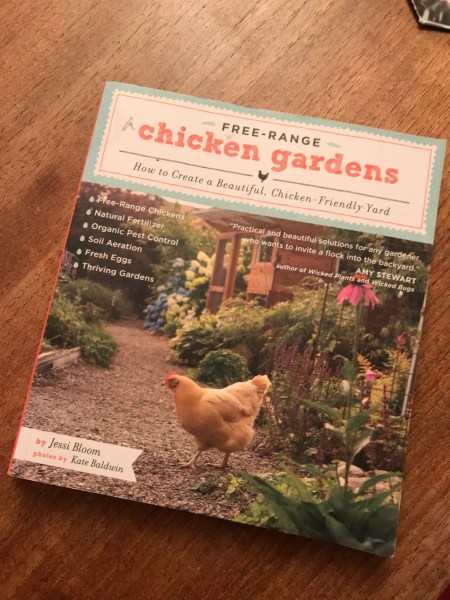
However, I recently bought and read this book…

IMG_1085.jpg

…which has reminded me of my original hopes when we got the hens – that they would be an important and valuable element of our garden, not destroying it but contributing to it.

This book has been around for while, it’s not a new release, but it’s still very relevant.  The author, Jessi Bloom, is an experienced chicken owner and writes with passion and enthusiasm about how easy it is to integrate chickens and gardens.  She gives advice about housing, planting, training and looking after hens.

The main message I took away from reading this book are that chickens can not just live in your garden, but can actually be beneficial too – I already compost their poo so that the nutrients will return to the soil, but the book also made it clear that hens can reduce pests and weeds and be useful garden helpers.

It’s helped to calm my fears about letting the hens loose.  If there are young plants you don’t want them to eat, these can be protected.  Yes, there may be occasional damage but it’s avoidable and not a great tragedy if it does occur.  Let’s face it, the nature of gardening is such that if something doesn’t work the first time, you can simply try again.  And yes there may be some poo on the grass but at this time of year it’s not a big issue and a quick sweep of the lawn in the spring/summer should see it clear for the kids to play on.  In fact, I might even get them to do the poo-picking!

And so, our ladies have been released.  They are free-ranging part-time (afternoons, when we’re home to keep an eye on them) and seem to be loving it.  They’ve already established the New Favourite Dust Bathing Area – under a conifer I recently clipped so that the hellebores underneath would have a bit more breathing space.

I do have plans to introduce new plants to the back garden but now I’ll be more mindful of how to protect these until they’re established.  I feel more comfortable that what’s already there will survive a small amount of treading or scraping and if it doesn’t, well, it can be replaced.

This back garden area will eventually be an area of woodland planting – tough, hardy, resilient to a bit of ‘chicken love’, and I hope they really will keep the pests down and the weeds at bay.  For now, I’m enjoying seeing them run across the garden, wings outstretched, or run up to me hoping for treats and just kicking about making their little ‘boop-boop’ noises.  They’re good garden companions.

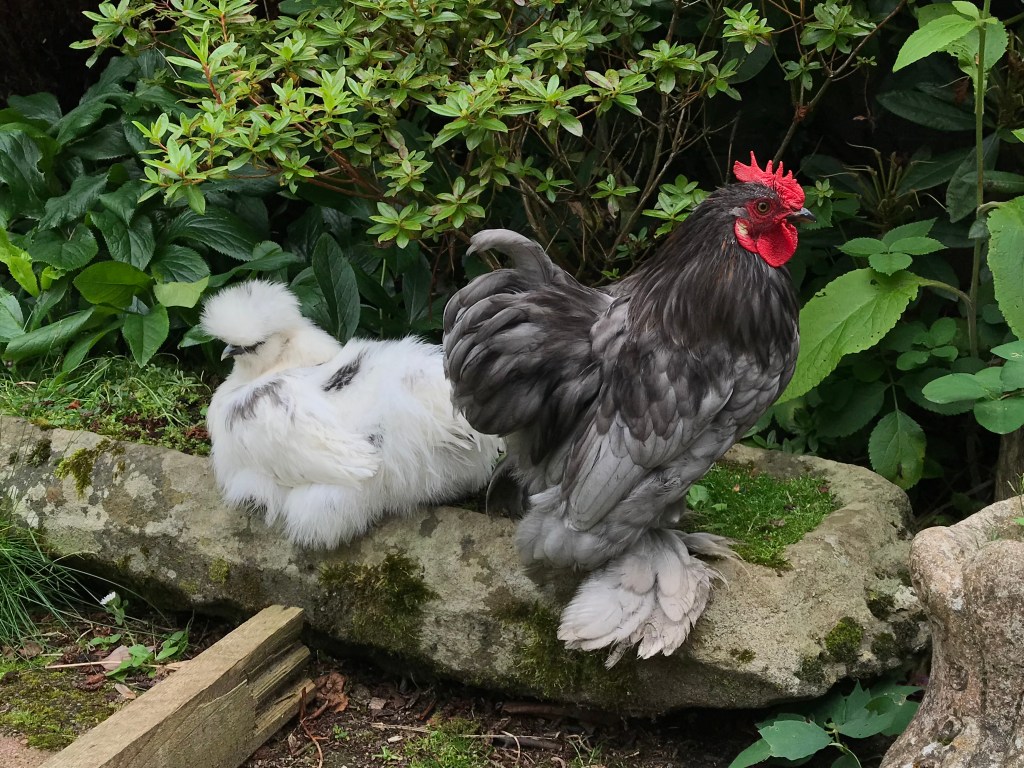
In fact, they’re so good that I’m now keeping my eyes peeled for a second coop – either for raising chicks or for a new flock.  I was warned that chicken-keeping becomes addictive and it’s true.  Hence why I’m feather-brained – I keep wondering if it should be Pekins, bantams, ex-batts, Auraucanas, Buffs….


Catching up…

Well it seems it’s been a busy couple of weeks since I last wrote a post.  Thankfully, part of the reason for that has been some lovely weather – when the sun’s shining I’m not inclined to stay in the house and stare at a computer screen, I want to get outside and garden!

Some updates on what’s happening out there:

Sad news first – the blackbird nest which was in the ivy on the back wall has failed.  I went out one morning about a week ago to discover it was on the ground.  I don’t know what happened, perhaps it simply collapsed, or perhaps a fox or bigger bird came along and attacked.  I investigated briefly using a stick (it was hard to reach!) and couldn’t see any eggs but it was surprisingly solid to try to turn over.  Here’s a photo of Mrs Blackbird which I took literally the day before the nest came down…

DSC_0108

I felt quite sad for the pair – they spent so long building the nest and she’d been sitting in it for a few days before it failed.  However, it seems that this is common with blackbirds as their nests are so open and therefore vulnerable to predators and the elements.  The good news is that I think they are now building another nest inside a large conifer nearby.  Will it be third time lucky?  We’ll have to wait and see.

I have been watering like mad over the past few days.  The sunny and warm weather means the veg beds have been looking parched and the seedlings (cosmos, marigolds and zinnia) which are now outside in the growhouse need a drink almost twice a day!  They’re getting quite large now and I’m hoping to start planting them out in the next few days.

The raised beds are looking good – every one now has a little row or sprig of green appearing, with the peas/carrots/lettuce bed looking the most healthy of all.  I have high hopes for the peas, especially after they did so poorly last year.  The potatoes are now all sprouting, after my worry that they were nowhere to be seen, and even the little leeks are popping up…

DSC_0290

…I noticed these yesterday morning and could have sworn they were about a centimetre bigger by the evening after a day of sunshine and a liberal hosing!

I’m also making a fairly sizeable change in the front garden; I’ve removed a large ceonothus and another unidentified shrub which have been taking over a large section close to the driveway.  I plan to extend the rose bed and perhaps also use the space for bedding and dahlias.  It was a bit of a gamble as they took up quite a lot of room, but the space looks nice and clear now and is another corner to play with, so I’m happy.  Sorry no before/after photos because I forgot to take them!

Lastly, a chicken update: we are now getting three eggs a day, as Iona has joined her two friends and begun laying – hurrah!  She’s also developing her comb and her voice and likes a good cluck when you go into the run or if she thinks something’s amiss.  Perhaps the quietest hen will turn out to be the noisiest?!

DSC_0089

New layer Iona gets extra cuddles from Biggest Daughter 


Introducing…

Minnie (Minerva)

IMG_7898

Iona (or Iona McFart)

IMG_7905

and Big Boo (aka Polly, short for Pollos Hermanos)

IMG_7900

I realise that’s quite a heady mix of monikers but that’s what happens when you let your kids get involved in the naming process, while also wanting to have your own input! We’ve ended up with a selection inspired by Harry Potter, Spanish words, Breaking Bad, Orange is the New Black and the brain of a 6 year old!

Still, a week on and we’re getting used to them now – the names as well as the hens.  They chook about quite happily in their run which we’ve now covered with woodchips very helpfully supplied by a tree surgeon friend.  We’re giving them treats every day to find out what they like to eat – so far mealworms, cheese and dandelions are proving a bit hit.  My eldest daughter is visiting them several times a day to feed them treats or pick them up – she’s quite besotted with her new feathery chums!  The smaller daughter likes them too and enjoys showing them off to her friends, but isn’t so keen on raking poo.  They both like collecting the daily egg we’ve been getting though, and my husband is definitely enjoying eating them.

Polly/Big Boo is the sole provider of eggs so far, and is also the Queen Bee.  I think the pecking order has been established and it seems she’s the one in charge, followed by Iona and then Minnie, who seems to be the most nervous of them all and sometimes patrols the run at dusk clucking menacingly at the imaginary threats beyond the fence, before taking herself to bed with the others when it gets dark.  Iona seems the most chilled out and doesn’t seem to mind being stroked or picked up.  They have all already got into the habit of running over at the first sight of a human, but I am under no illusions – they clearly just want food!

It’s Easter holidays for us at the moment, which is one reason why we’ve gone for it with getting the chickens just now, but what with settling in our new friends and doing general family stuff, I’m not getting much time in the garden at the moment.  Which is the reason I’m about to cut off this post and head straight out right now – a rare window of opportunity presents itself, so I am going to grab it with both hands!

Until I return, here are some pics of our new ladies for you to enjoy!

This slideshow requires JavaScript.


They’re here! 

Just a quick one before bedtime – but I had to share today’s excitement…


Three hens, happily scratching away in their new home in our back garden! 

I am super excited and also nervous about their first night – please let them still be there in the morning?! 

Project Hen is moving forward…!


We have a coop! An Eglu Go to be precise, and I am so excited.

My head is full of hens at the moment, as I’m working out where to put them, when to feed them, how to make this work for our family life. My girls are also excited about the prospect of some feathered friends and even my husband, who was somewhat dubious to begin with, seems to be getting on board and is keen to come and choose our chickens.

Hopefully we’ll bring some home next week during the Easter holidays, but before then we’ve got to figure out how to make the coop and run fit into the area I have marked out for it.  More pics and details to follow after the weekend I think, when I hope to have the Eglu in place and ready to accept its new inhabitants!

To chook, or not to chook…?

I have hens on the brain at the moment.

I am very seriously considering some for the back garden!

chickens

This has been an idea at the back of my mind since we moved into the house, as the garden is such a good size, there’s plenty of room for a small coop and three or four chickens.   And although I’ve been resisting the thought (just a fad! too dirty! you’ll get fed up!) I keep coming back to it again and again, lurking on chicken keeping forums, searching Gumtree for second-hand coops… I can’t seem to shake the idea and am becoming more and more sure that it’s something I’d like to try and think I’d enjoy.

I’m still weighing up the pros and cons – with any new venture I really do like to wrap my brain around it and try to imagine what doing that thing will be like, how it will affect my daily life, routines, the rest of the family etc.  Here’s the list:

Pros:

  • Eggs!  Lots of them, I hope!  I’d give any excess to family and friends – or maybe have an honesty box at the front of the house.
  • Company in the garden – I’d like to let them free-range sometimes, and like the thought of them pecking about (and hopefully eating all the slugs!) while I’m pottering about.
  • Pets – we don’t have any (apart from 5 guppies!) and I like the idea of caring for an animal and that it would (hopefully) enhance our family life and engage the kids with other living creatures.  The girls seem keen – they say they’d help out and I’d like to think they’d enjoy feeding the birds, handling them etc, even if they would almost certainly be unwilling to clean up bird poo!
  • The aforementioned poo is good fertiliser – goes on the compost heap and enriches the garden at a later date.  So, although poo is really a ‘con’, it’s also a ‘pro’.

Cons:

  • The free-ranging might mean damage to the garden – and would definitely mean poo on the grass, which would need to be removed before the girls would play outside.  (This could possibly be limited by fencing off a free-range area)
  • The poo (see above!)
  • Rats – I fear the idea of encouraging these into the garden, however I’m aware there are ways to prevent them and obviously there are ways to get rid of them.
  • Time commitment – this seems fairly minimal, compared to a dog for example, but I would need to spend time feeding and cleaning them, and perhaps be up and about to let them out fairly early in the mornings, especially in the summer months.  My ‘spare’ time is already precious – do I want to give up a little more of it?  Am I prepared to tweak my daily routine to care properly for these birds?

As you can see, I’m putting a lot of thought into it – too much, perhaps!  But I need to be sure before I take the plunge.  At the moment I’m keen to proceed, and keep waiting to find out something which would put me off, but it hasn’t happened yet.  So, I’m back on Gumtree looking out for the elusive bargain starter chicken coop…I’ll keep you posted!