Quadgrow trial – part 1

Let’s talk tomatoes.  At the beginning of this year’s growing season I was lucky enough to be sent a Quadgrow planter, after spotting them at this year’s Garden Press Event in London (back when we are able to travel freely around the country – remember those days?!). 

The Quadgrow display at the Garden Press Event, March 2020

I was really impressed with the set up on display – they had a selection of chilis growing in these, as it was March and still early in the season, but they’re also suitable for tomatoes, peppers, cucumbers and other tall cropping plants.  The really big deep pots are placed into a large tray which you fill with water, making it a self-watering system which keeps your plants from drying out for up to 2 weeks.  This makes it incredibly useful during the summer when a) the weather is hopefully nice and warm, making your greenhouse very cosy and b) you might (under non-Covid circumstances) be planning to go on holiday.  With the Quadgrow you simply fill up the tray and can leave your plants for a few days, knowing they won’t be crispy when you come home again! 

After speaking to the guys from Greenhouse Sensation at the GPE they got in touch and asked if I’d like to trial the planter and I jumped at the chance.  Growing tomatoes is one of my favourite things to do in the garden – I love the whole process, from sowing the seed right through to harvesting those ripe red fruits, and as I’m always interested to try new varieties and techniques I thought this would be an excellent system to use this year, in pursuit of the perfect tomato! 

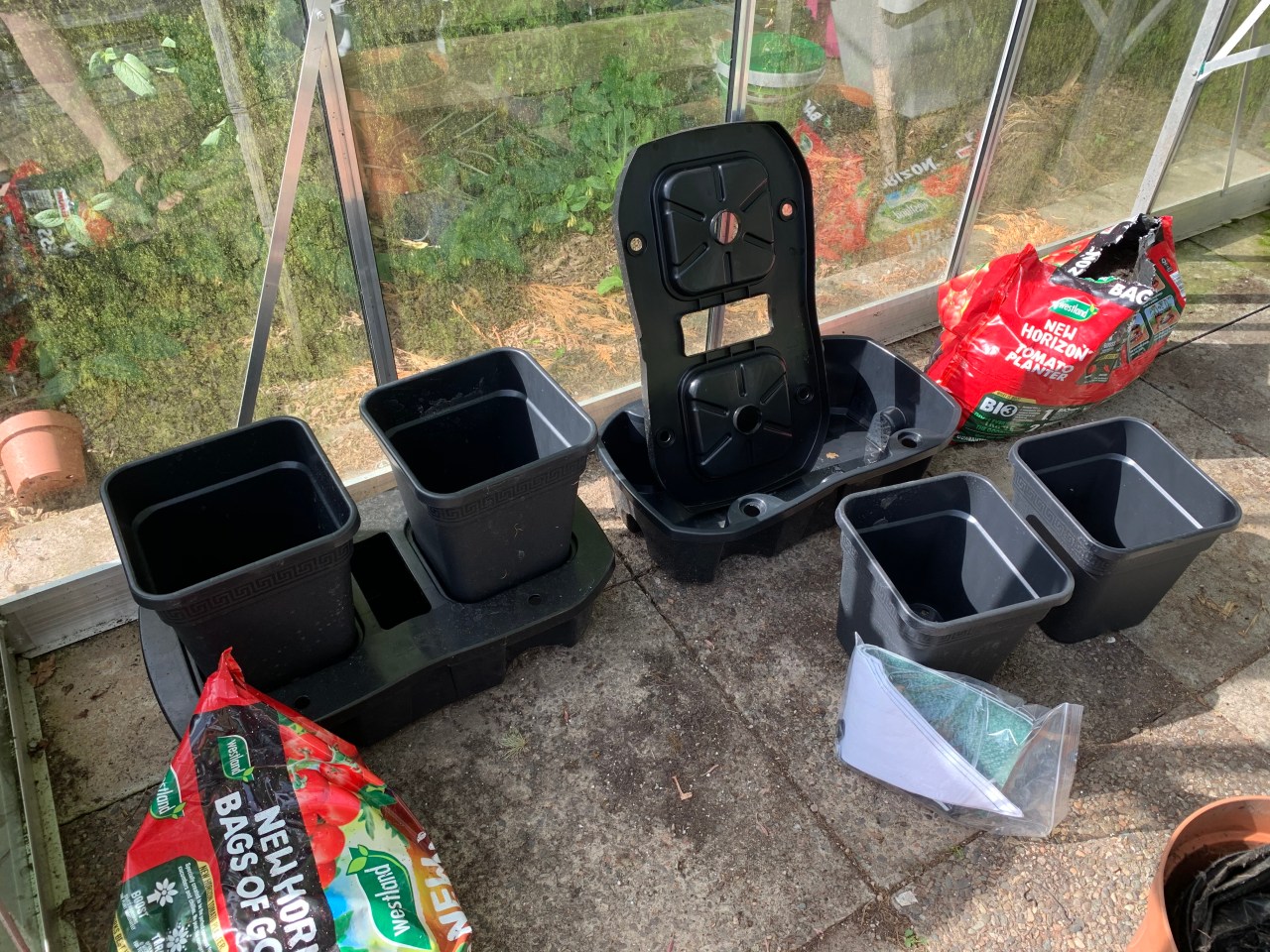
The package came safely in the post, complete with two trays, four pots and some plant food and I set up the system in mid-May when my tomato plants were getting big enough to plant out and live in the greenhouse.  Bearing in mind that I’m not particulary handy or technically-minded it was easy to set up and I had the thing slotted together in minutes.  You simply have to connect the trays with a little pipe and also insert the filters and make sure the wicking material is in place within each pot.  This is how the system keeps the soil moist so it’s important to make sure the wicking material is in contact with the water.  I actually left a little corner of it visible above the soil so that I can check it’s still damp – that way I know the soil is still getting the moisture it needs.  Once the pots were filled up with some peat-free tomato compost I popped in each plant, inserted a bamboo support and tied them into place as I usually do.  

In the interests of not-very-scientific experimentation I’m also growing the same varieties of tomato in the same peat free compost but in growbags and pots.  I’m looking forward to seeing how each method compares, and whether I have healthier plants, or better fruit, from those grown in bags, pots or the Quadgrow.  There will have to be a lot of tasting to find out… 😋

And if you’re wondering what varitieties I’m growing, I’ve got: Gardener’s Delight, Sungold, Rosella and Black Russian.  I’m also growing one plant called Maskotka outdoors – another experiment to see if it’s possible to get a decent crop of tomatoes outdoors in Scotland.  I have my doubts, but actually this plant seems to be doing fine – although a bit more compact than the others it’s setting fruit and looking fairly healthy! 

So far, I’ve topped up the Quadgrow with water about three times and it hasn’t yet been empty when I’ve checked.  The plants are definitely more thirsty the bigger they’ve got so I’m keeping a close eye on the water level each time I’m doing a #Fridayfeed.  

You can check out photos and videos of the Quadgrow on my Instagram feed @mycornerofearth – there’s a series saved to my Stories including the set-up video and I’m including regular updates as the plants develop.  I’ll report back more progress here on this blog as my plants grow and hopefully give me some tasty tomatoes!
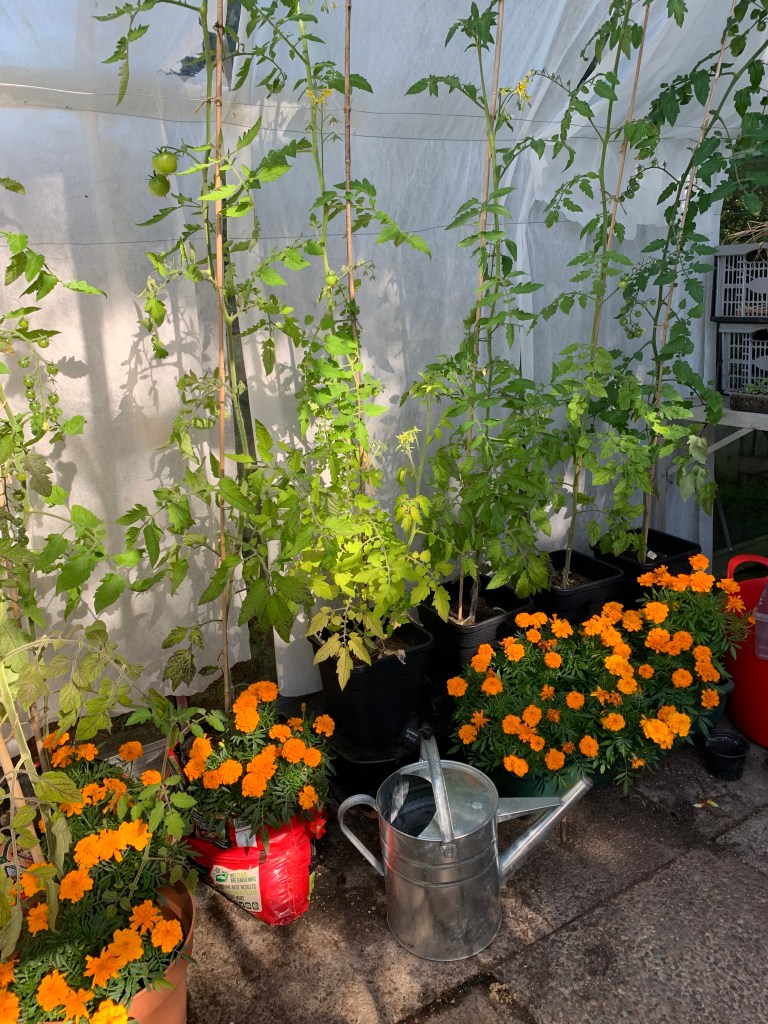
My tomato plants are flourishing so far in their Quadgrow planter!

Get Into Grow Your Own

“Nothing tastes as good as home-grown!” – a familiar cry from allotment owners and keen gardeners everywhere. But is it true? And are you ready to find out for yourself?

Why?
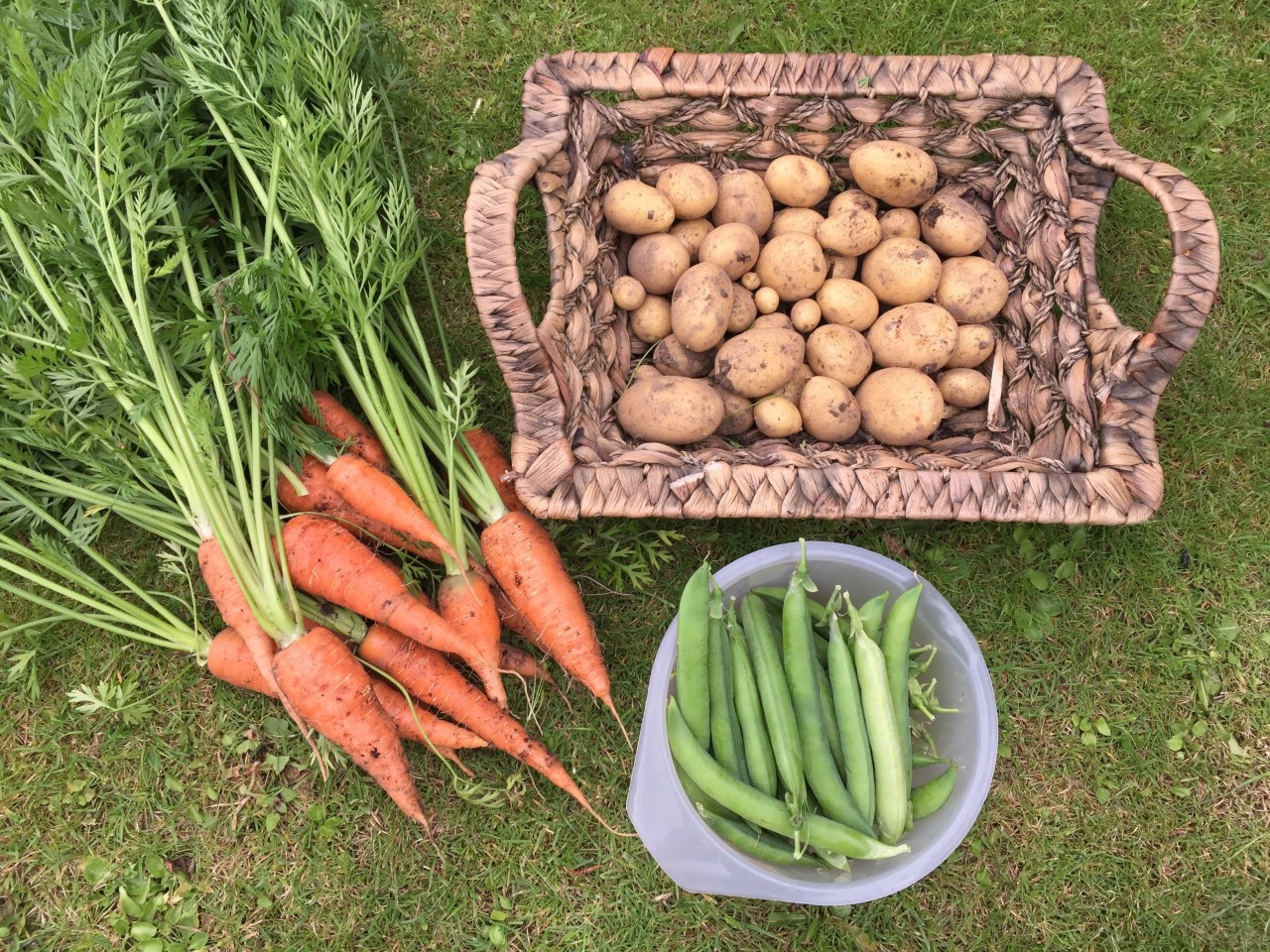
There are many reasons why growing your own is a good thing to do – both for yourself, and for the environment. When you grow your own food, you know exactly where it’s come from: your own soil, pesticide-free and freshly picked. Often, the produce we buy from the supermarket shelves is already several days or even weeks old and may have been treated with preservatives to prevent them from spoiling. Carrots, for example, are typically stored for anything from 1 to 9 months before being sold in the shops; in contrast, you can pick a carrot from your garden and have it cooked and on your plate within minutes – guaranteed freshness which also means fantastic flavour.

And the total food miles? Zero! At a time when the climate emergency is on everyone’s lips, reducing the amount of carbon emitted by food transportation is another way we can contribute to the fight against global warming. Not to mention that growing your own food completely bypasses the plastic packaging involved in unnecessarily wrapping fresh produce. But perhaps one of the best reasons to get into ‘grow your own’ is because it’s really enjoyable! It’s incredibly satisfying to sow some seed, watch the shoots germinate and grow and eventually harvest some delicious food to feed yourself and others.

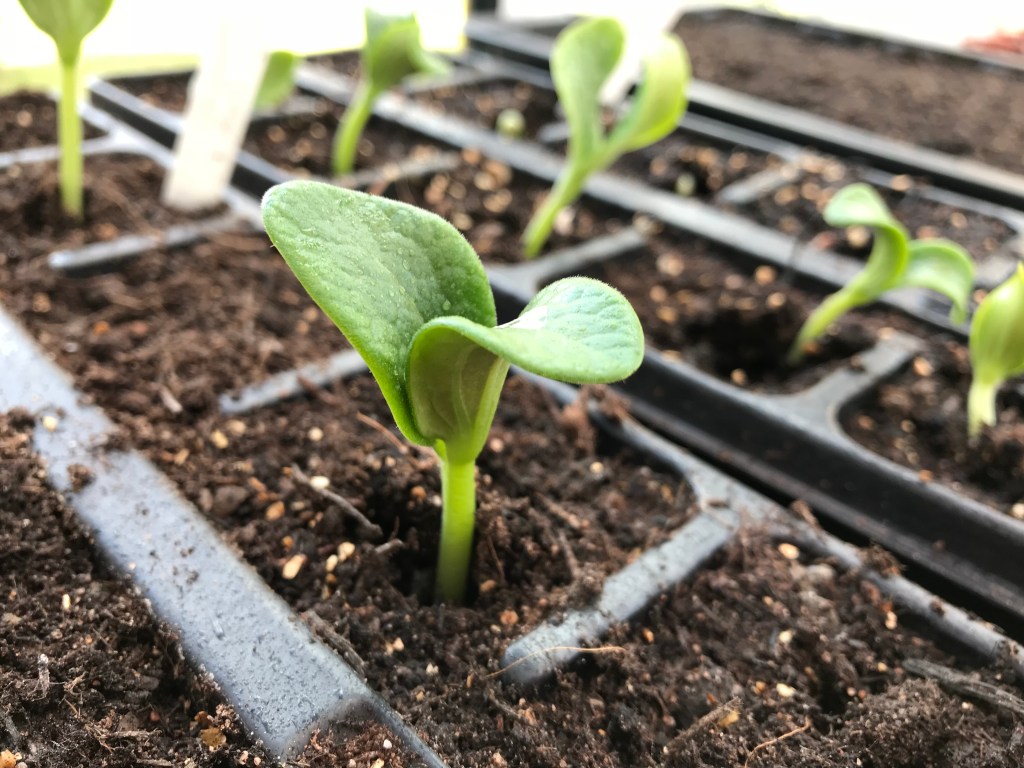
Courgette seedlings

Where?
You don’t need a huge garden or allotment plot to begin growing fruit and vegetables – any outdoor space can be adapted for growing. Garden beds are useful, but if space is limited you can grow in pots, window boxes or growbags. If you are fortunate enough to have some room in the garden, or even an entire allotment plot, you can sow straight into the ground or create raised beds, which can be constructed from various materials, and can offer easier access to the soil and plants. In terms of tools, a basic but useful set would include: a spade and/or fork, a rake, a trowel and a watering can or hose.

Your growing area should be prepared during autumn to late winter, so that the ground is ready for planting in spring when the soil warms up. This is the time of year to begin sowing – a wide range of vegetables can be started from seed either indoors on a sunny windowsill or under glass in a greenhouse or cold frame; these will be planted out into your veg beds once they’ve established a good root system and after the last frosts (generally around mid-late May for Scotland).

What?
You’ve got the space and the tools – now what to grow? The best place to start is to think about what you like to eat, and grow that. Love potatoes? They’re quick and easy, and even better fresh from the plot. Can’t stand carrots? Then don’t bother – they have a relatively long growing season, so put your efforts into something you prefer. Figure out how much space you’ve got, and choose the crop to suit. Peas and beans grow vertically, so don’t take up much room; potatoes, on the other hand, are large and leafy and need to be spaced around a foot apart. Smaller, fast-growing salad veg such as lettuce, radish, beetroot and spring onion can often be planted among those which take longer to harvest, maximising your growing space.
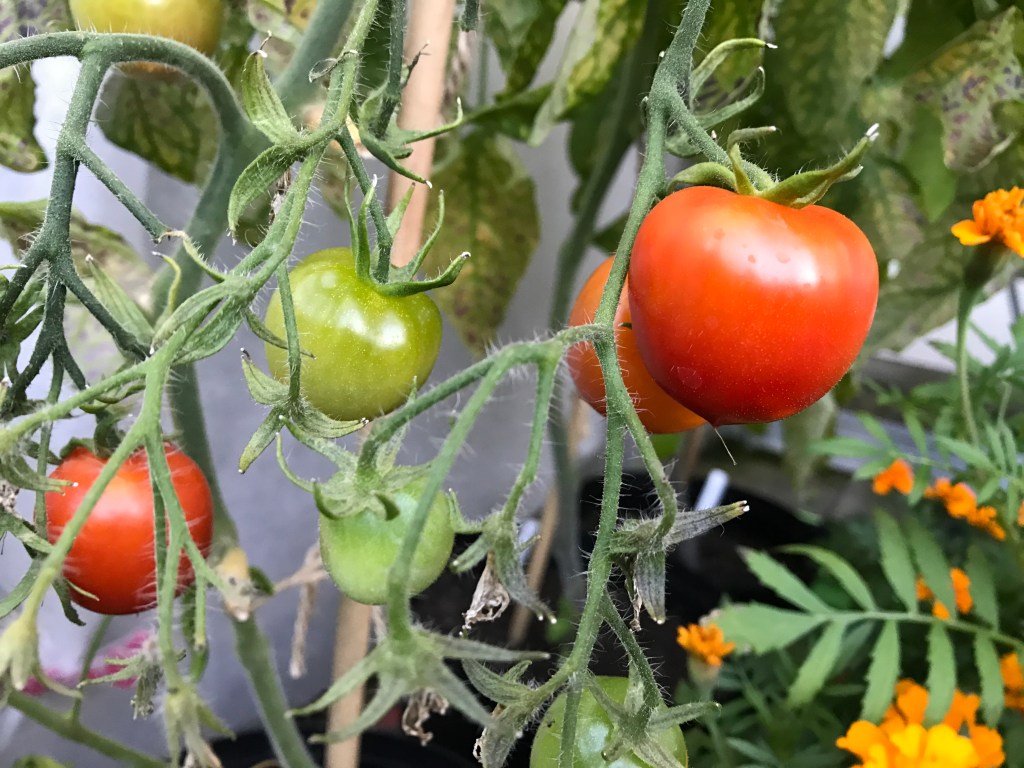
Tomatoes require some extra effort, but are well worth it – there is nothing to compare with the flavour of a fresh, homegrown tomato. These usually need to be grown in a greenhouse, with careful watering – but there are some outdoor varieties which may withstand the variable weather of a Scottish summer. Other greenhouse (or warm conservatory) options include chillis, peppers, cucumber and aubergines.

The other addition to your plot should be some flowers – these are important for attracting beneficial insects and repelling pests. Pollinators will visit for bright blooms such as cosmos, calendula or nasturtium, while marigolds are said to be effective at repelling aphids.

How?
To find out more information on growing your own you don’t have to look far – there is a plethora of books on the subject, along with websites, apps, magazines and podcasts. Charles Dowding is the creator of the ‘no-dig’ movement and a master of grow your own – his books and website are a great place to start. If you’re short of space, try Huw Richard’s book ‘Veg in One Bed’ for a very simple guide to growing as much as possible in a small area. The book ‘Fruit and Vegetables for Scotland’ by Ken Cox and Caroline Beaton is especially useful for identifying the best varieties for Scottish gardeners.

If Instagram is your thing use the hashtag #GYO or #growyourown to find a community of like-minded gardeners and allotment holders who love to share photos and advice. There are also plenty of podcasts covering food growing and related topics – such as The Organic Gardening Podcast or The Dirt, which is produced by Grow Your Own magazine, another excellent source of information and advice – plus each issue comes with free seeds!

If you’re thinking now’s the time to try growing some food – just go for it. You’ve nothing to lose but the price of a packet of seeds – and you might gain a new passion, better health, more time outdoors and some really tasty fruit and veg!

This article appeared in the Weekend supplement of The Courier, 11th April 2020