Gardening is a lesson in playing the long game.
I’m a quick-fix, instant-gratification type of person, so my growing love of the garden has brought with it an appreciation for taking things a bit slower. For taking the long view and planning ahead for the same season, the next season, the next year, the next few years…
Very few aspects of gardening are instant. You can buy a fully grown plant in a pot and have instant colour. Buy a few of them and you’ve got instant impact. But like many ‘instant’ things in life, the satisfaction is fleeting.
I’m learning to love the long game. I have no choice, really, as I don’t have the budget for an instant garden! But even if I did, I think I would still choose to plan and sow, make careful selections and take the time to move and shape things over the course of days, weeks and months.
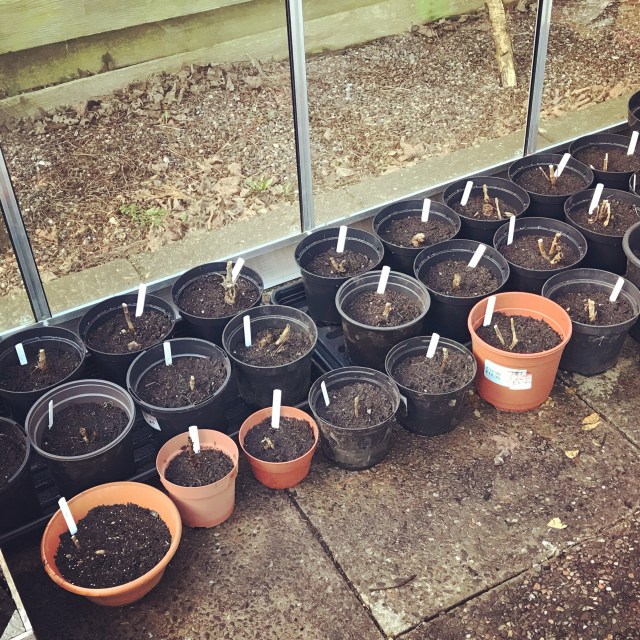
Take delphiniums for example. I have sown many of these this year, some to share and sell, others will hopefully find a home in my garden, but I am taking the time to grow these in pots until they’re large and healthy and can withstand the assaults of the various snails and slugs patrolling my front garden. It’s true, even large plants can be decimated by the jaws of a hungry gastropod, but the larger ones stand a better chance of survival. As an experiment, I planted out a few young delphiniums into the front border and in a matter of days – as I suspected – they’d been torn to shreds.
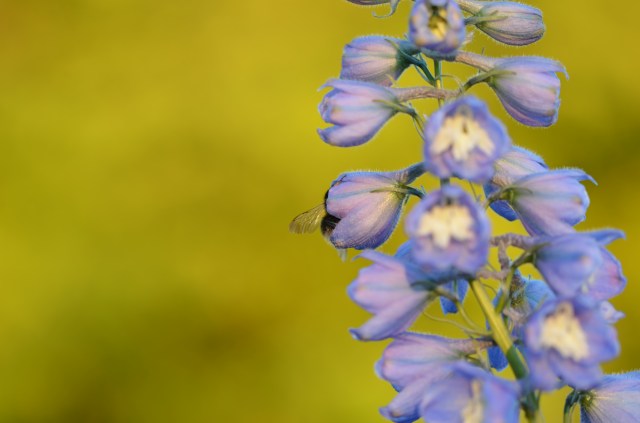
Delphiniums…worth waiting for (as this bee will testify)
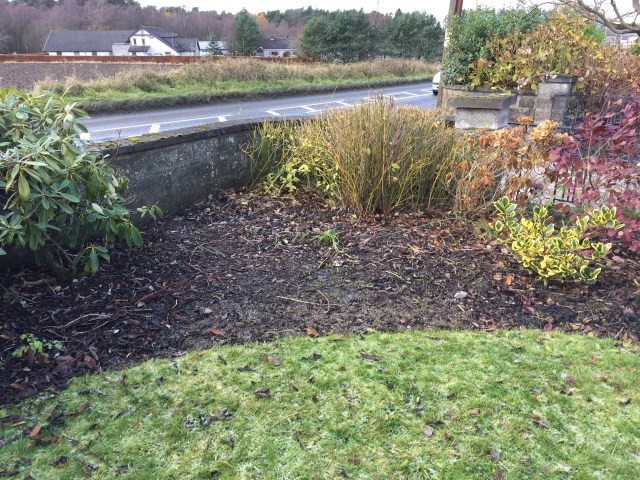
This border itself is another example. In many ways I wish I could blow the bank account and buy dozens of plants to fill the bare soil still showing in the front…and yet by sowing and propagating, along with some careful bargain-spotting at plant sales and garden centres, I’ve managed to gradually fill gaps in around two thirds of the garden so far. I like seeing it take shape gradually, and it gives me time to pause and redesign areas which aren’t working, or try new ideas when I’m inspired by a photo or magazine article.
In that very border are two mature philadelphus shrubs. Last autumn I pruned them hard – knowing this would mean no flowering for at least a year. They had flowered poorly the previous summer anyway and were congested and overgrown. So I played the long game – removing most of the older stems and branches to leave a healthy selection of wood with a far better structure. I’ve missed the flowers but hopefully next year I’ll find out if my hard work has paid off and be rewarded with a much healthier and better flowering plant.

The front border is filling up slowly but surely…
My studies are part of my long-term plans too. Much as I would like to, I can’t train in horticulture full-time – work and family commitments demand my time and ensure an income. But I can take little steps forward – studying for half an hour each morning, taking a couple of exams every few months…inching forward towards a qualification which might come in useful, or might simply make me a better gardener. Either way, I’m enjoying the process and I know that the theoretical learning is going hand in hand with what I’m practicing over time in my own garden.
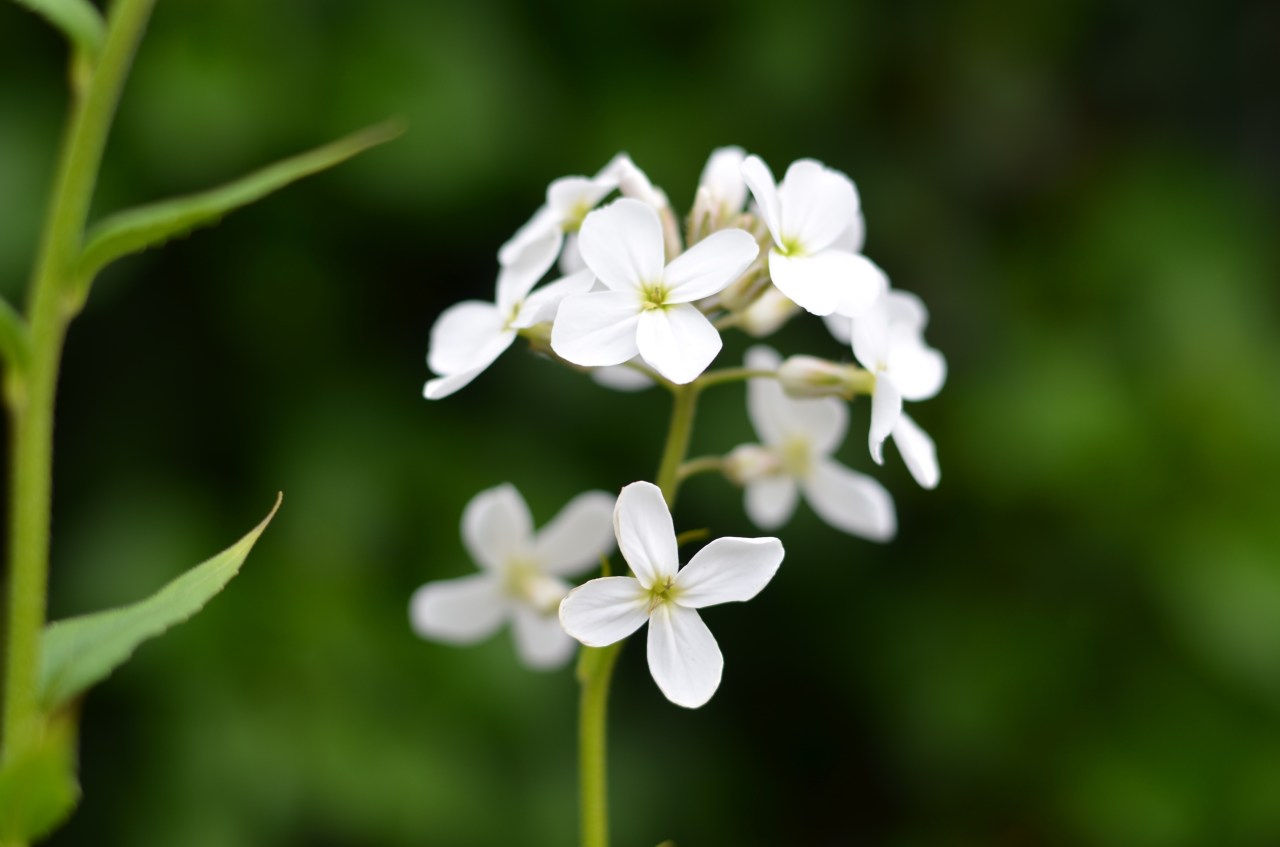
This week I sowed biennials – again, another long wait to see how they’ll turn out. Biennial plants flower the season after sowing, so the foxgloves and hesperis seeds I’ve sown now won’t flower until next spring and will need cared for in the greenhouse during autumn and winter. But it will be worth it when they’re finally planted out in the garden, proving colour and scent and encouraging insects and wildlife.

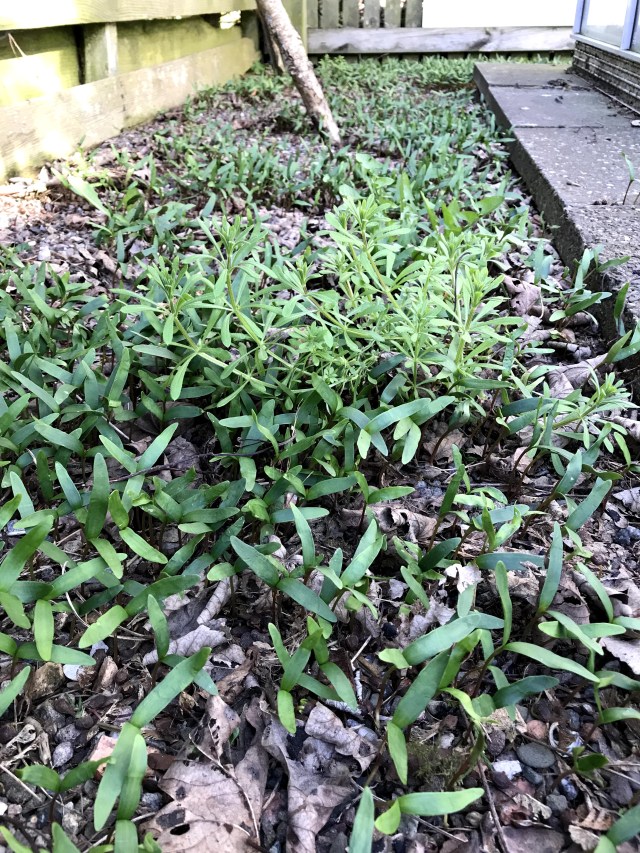
The teasels I sowed at the end of last summer are making an appearance now
So yes, even though ‘instant’ gardening can be a good thing, playing the long game is better for me – it slows me down and asks me to think and plan and anticipate what’s to come. When many other aspects of my life seem to be whizzing past at speed, I’m grateful for the garden, which slows me down and helps me to appreciate what I have in front of me.


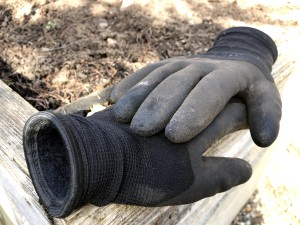 I have quite dry skin and these have been a hand-saver all winter – I’m still using them now while the weather is still a bit on the nippy side. They’re lined with soft, cosy material and genuinely keep my fingers warm. This makes them a bit thicker so they’re not ideal for fiddly jobs but for general digging, moving, lifting bags of compost or whatever they’re great and fairly waterproof too so your hands don’t freeze off when the hose drips all over the place.
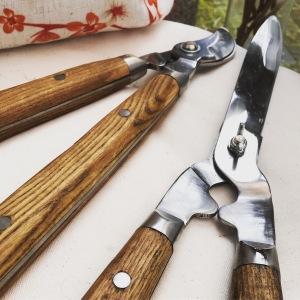 I love these mainly because they’re a thing of beauty. I am drawn to certain materials – wood, corduroy and I’m a total sucker for tan leather. I love these so much I bought matching loppers and shears. I wish I could say I have a set of well-loved wooden-handled tools handed down by a relative or the head gardener of a huge estate, but these were simply bargains in TK Maxx! They may not have the heritage but they look wonderful and I feel like I will care for them more because of it. Hand tools tend to end up a bit rusty and rickety for me – I will confess I don’t usually clean and sharpen them regularly the way you’re supposed to. These look so simple and refined it’ll be easy to give them a wipe down or sharpen them up – I’m sure of it!
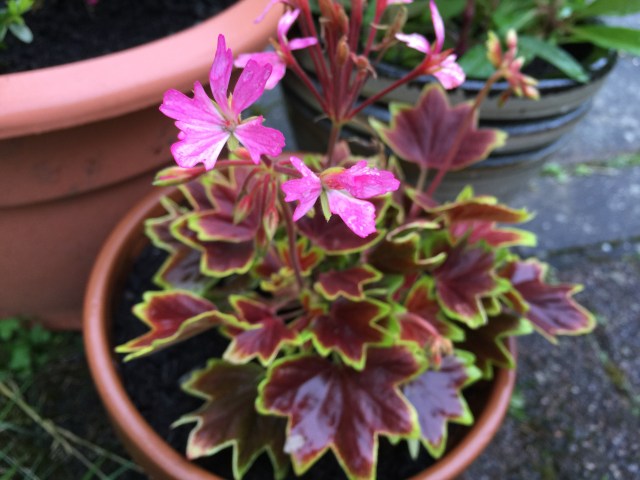
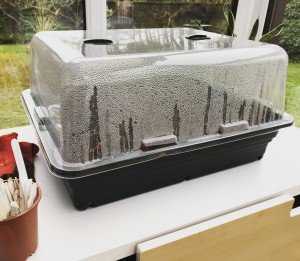 This model is a 52 cm Stewart Essentials electric propagator which I picked up for just over £20 during the last Black Friday sale. It’s not thermostatically controlled but as I use the rear sun room as a sort of indoor greenhouse it keeps my seeds at a good temperature for germination in a room where the temperature can fluctuate quite a lot, especially at night when it’s pretty cold. I am currently trying to germinate my pelargonium seeds in there and they’re taking AGES. I’ve also have very limited success with astrantia – only two seedlings so far. But I think this is down to my choice of tricky-to-grow plants rather than the propagator! I’m not very patient and need the space in that propagator for other seeds so I think I will very soon cut my losses and move these out in favour of something that will grow much easier.
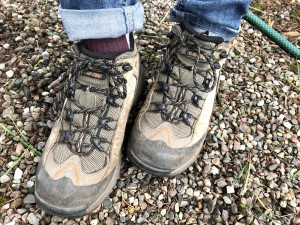 These are my beloved and very scruffy gardening boots. I’ve had them for years, they’re still reasonably comfy but not very waterproof. However when I’m wearing them I feel in ‘gardening mode’ – I feel like I can dig and sow and weed and do garden-y things because I’m in my Gardening Boots.
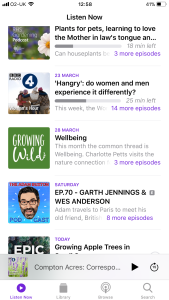 I also really love to listen to podcasts while I’m in the garden or greenhouse, and my podcast library is rapidly expanding – everything from Gardeners’ Question Time to Womens Hour to Adam Buxton to On The Ledge. I’ve added quite a few more gardening podcasts recently, including this new one from Andrew O’Brien and Laeticia Maklouf. I find them so useful and interesting – I like to absorb more garden knowledge through my ears and into my brain as I’m getting my hands dirty in the soil!











 Julianne Robertson