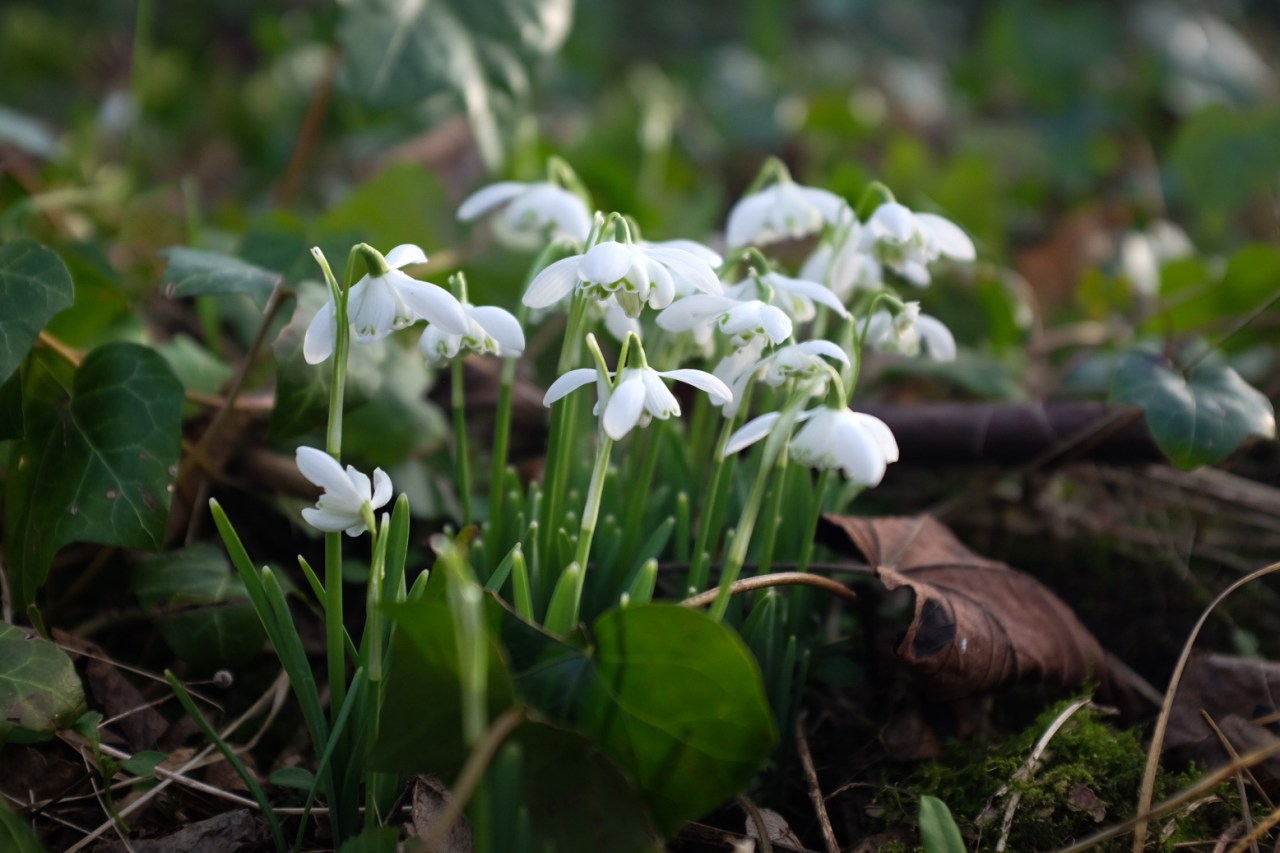
Exit January… enter February

Did you feel it? The subtle season shift? 

Yesterday, on the 1st of February, the air felt different. The sky was a bit lighter, the greens were a bit greener. It was as if – once January was finally out the door – the world could breathe a sigh and get on with the business of spring. 

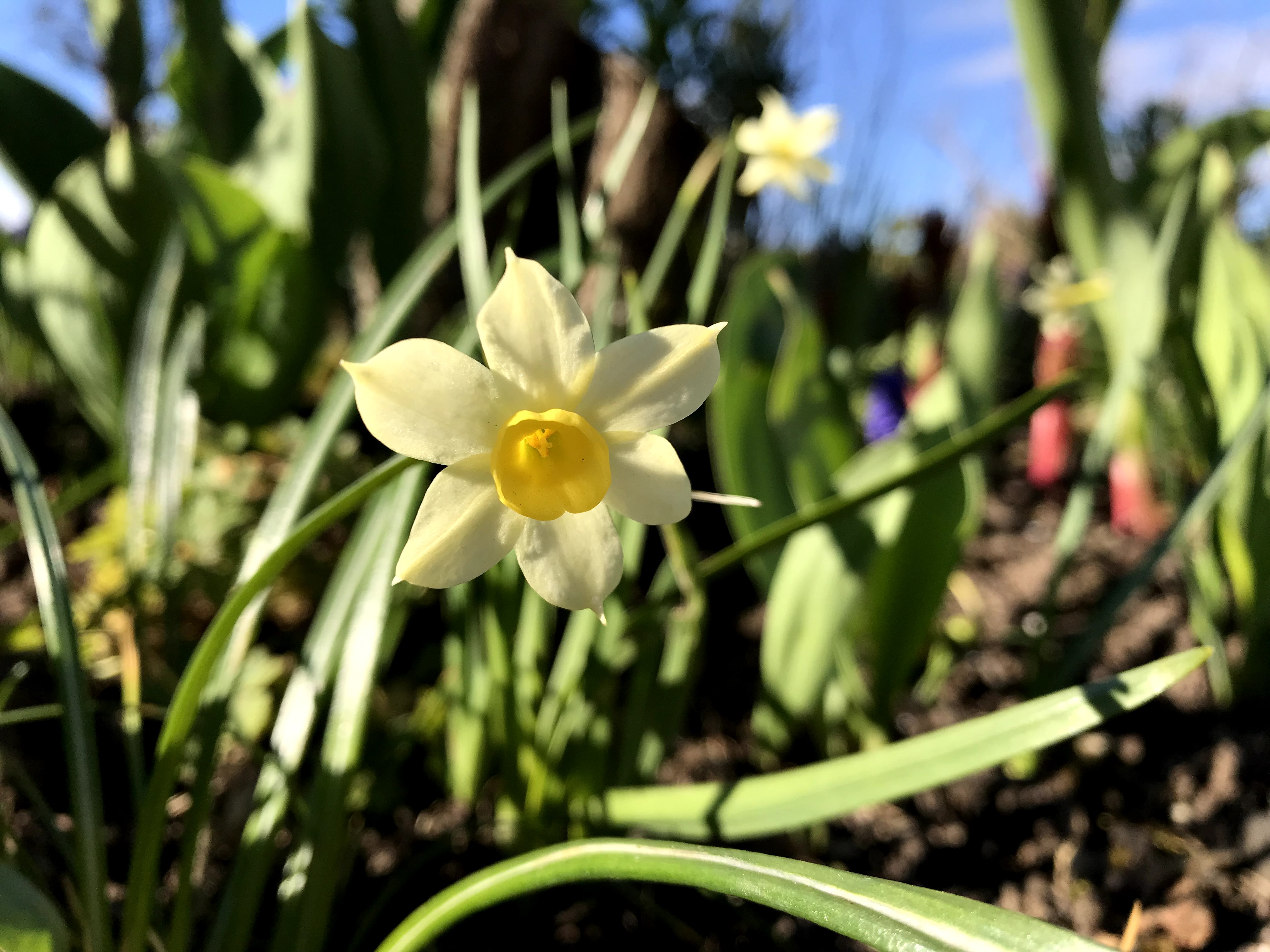
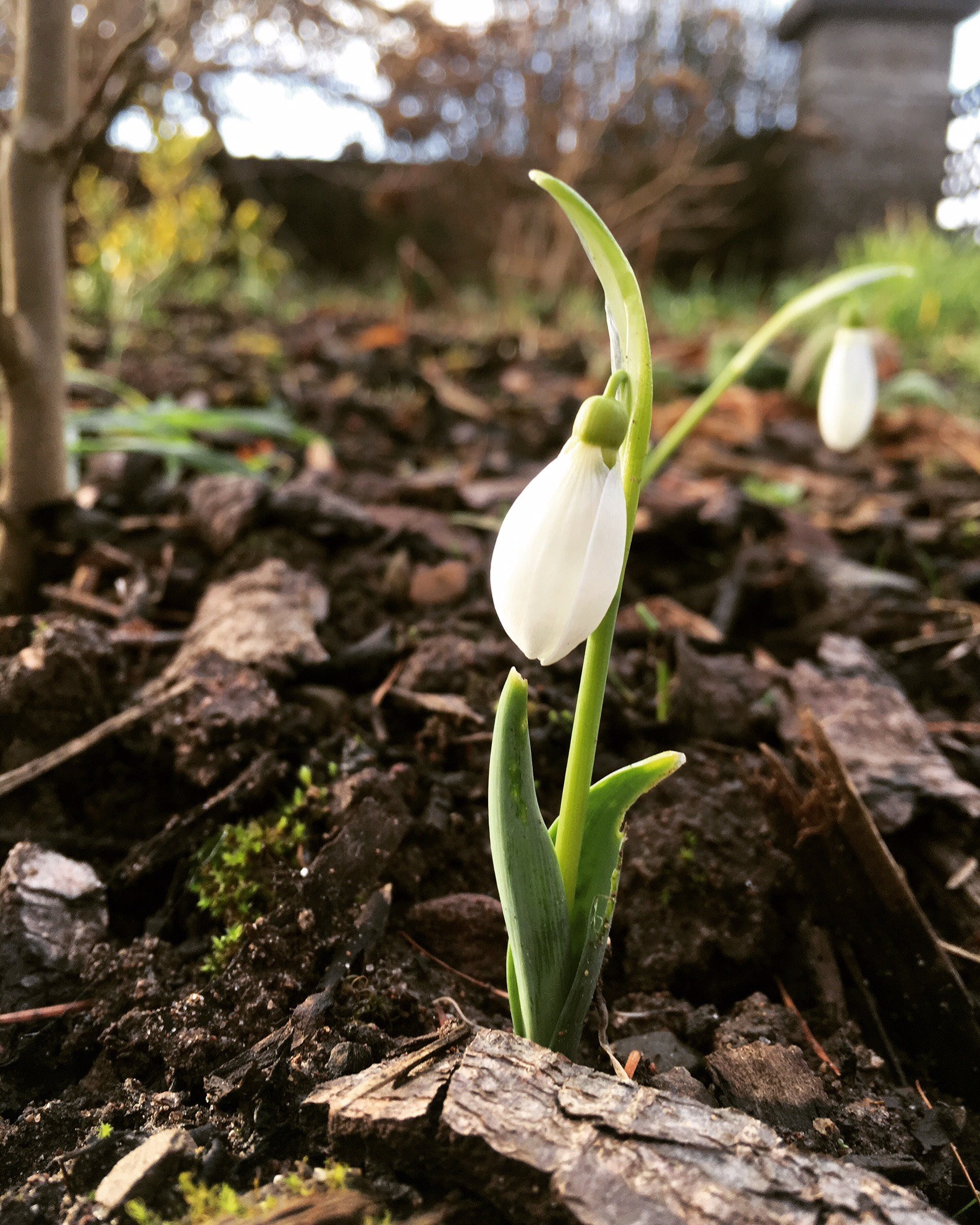
There are only very early signs: a few little snowdrops nodding on their stalks, fat shoots of daffodils poking out of the soil and leaf litter, an extra few minutes of daylight each afternoon. I even heard the sound of a woodpecker hammering on a tree in the woods – which always gives me a thrill because it’s one of the earliest spring sounds. 

These are just little things, small signs, and we are still very much in the depths of winter here in Scotland – but it’s enough to inspire hope and a sense of anticipation about the new season that’s around the corner.

Spring preparations 

While we wait out the last blasts of the winter winds and (no doubt) icy, cold days still to come I’m getting busy with preparing indoors for the growing season. That means sorting my seeds: checking which open packets still have seeds in them, assessing their likelihood of germination against the suggested expiry date, reminding myself of those plants I want to grow again, and those which I’ve lost enthusiasm for. 

One of the beautiful things about growing a garden is that you can change it up every year if you like – or keep things exactly the same. Or something in between! There are some flowers and vegetables that are on my ‘must grow’ list, including tomatoes, dahlias, sweet peas and cosmos. I grow these every year and I mix a few favourites with new varieties and colours.

Then I also look down the notes and lists in my phone or saved photos on Instagram which remind me about new plants I want to grow or new varieties to try. I think about the colours I’m most drawn to – I like to choose shades which complement each other and at the moment I’m loving soft pinks, creams, apricots but also pairing this with a dash of dramatic dark red or purple. 

For example, I love cosmos and will nearly always grow white ‘Purity’ as it’s such a fantastic, reliable plant and great in cut flower arrangements. But this year I’m very excited to try ‘Apricotta’ as I’ve admired the many Instagram photos I’ve seen other growers posting last summer! It looks like a gorgeous soft colour which will probably vary between blooms and change as the petals age, which is often the way with coloured cosmos.

Cosmos ‘Apricot Lemonade’

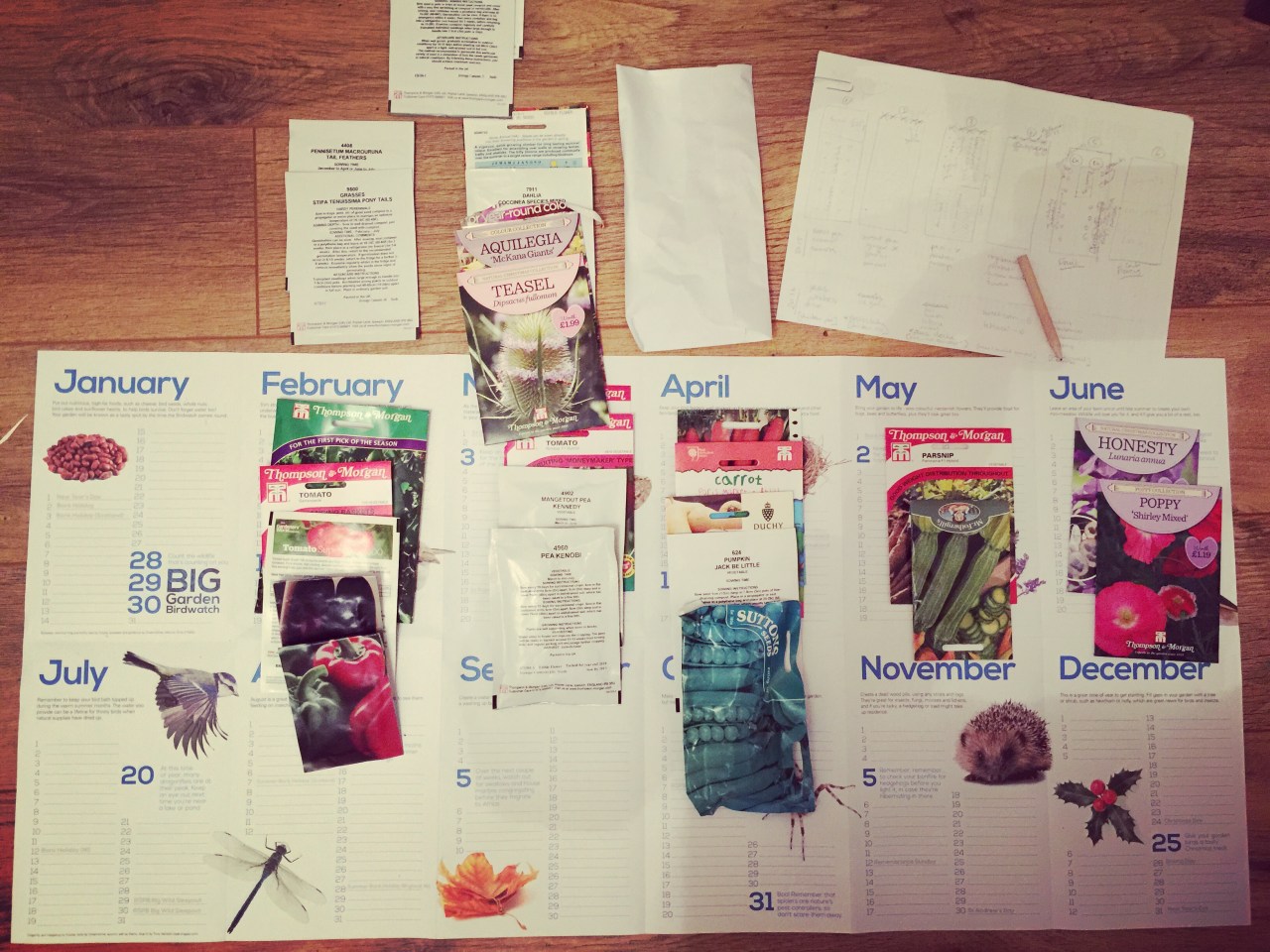
So, now I’ve got an idea of the seeds I already have, and I like to arrange these (and any new additions as they arrive in the post) into the months I’ll plan to sow them so that I can keep track of what to do and when. It makes it much easier when I have an opportunity to get into the greenhouse to simply glance through the collection and pick the ones I want or need to sow that month. 

January and February’s selection is always much smaller than March and April! But there’s no rush – for me, the timings are more of a guide and way to prioritise rather than a hard and fast rule. And it’s also important to keep an eye on the weather – I may hold off some of the sowings in February and March in order to give more plants a better start later in the spring as they will catch up fast in warmer, sunnier conditions.
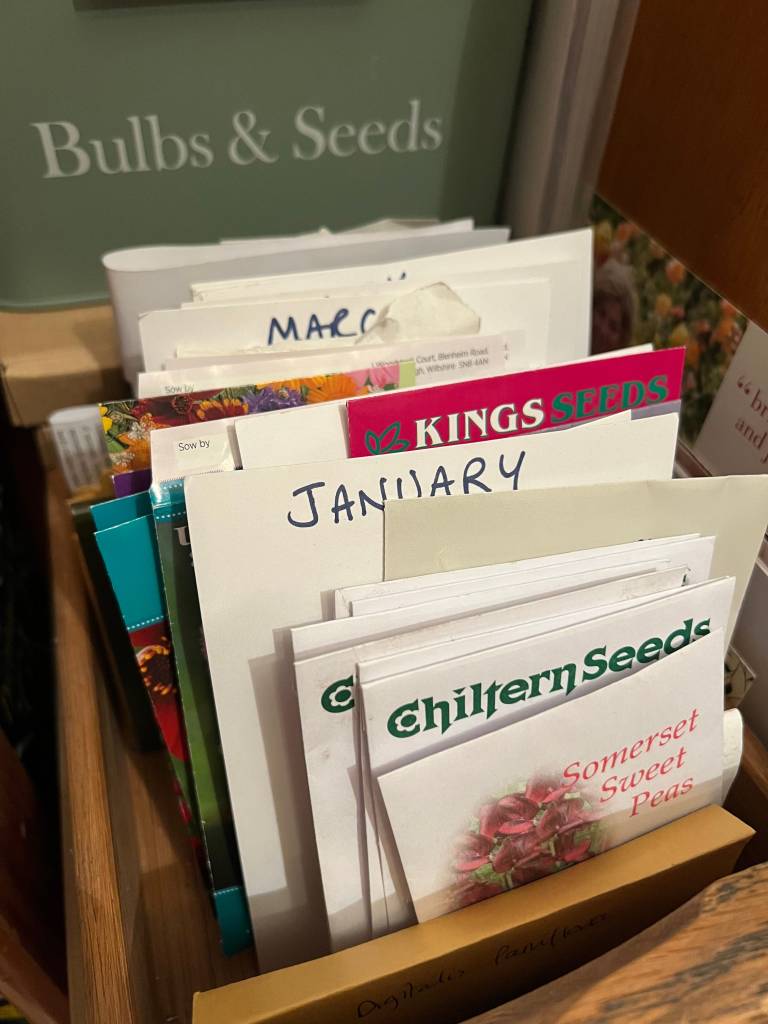
In the meantime, I’m browsing some of my favourite seed suppliers to fill the gaps in my wish list and look out for any good bargains. 

In terms of other indoor prep, I also usually draw a plan of the raised beds in The Secret Garden and figure out what I should plant and where, with a loose idea of crop rotation. If I’m feeling really nerdy I’ll open my spreadsheets (Airtable in fact) and update the plants and seeds I’ve got in stock – I might even start a mood board of colours for my sweet peas and dahlias! 

Most of these plans will probably change and be adapted as the season goes, but it always feels good to start off with a plan – and it’s something enjoyable and constructive to do when the days are still short or the weather is, as they say round here, “blowing a hoolie” and making it difficult to get outside.

What I’m looking forward to growing in 2024 

Here are some of the flowers I can’t wait to see in flower in my garden this year: 

Cosmos ‘Double Click Cranberries’ – I resisted growing these for ages but sowed some last year and instantly fell in love with them; gorgeous deep pink coloured flowers, a good size with little frilly double petals – like a jewel in your garden.

Sweet pea ‘Juliet’ – I usually go for pinks and purples (and have plenty of these this year too!) but I was drawn to the soft cream-apricot colour of these, so I’m giving them a try.

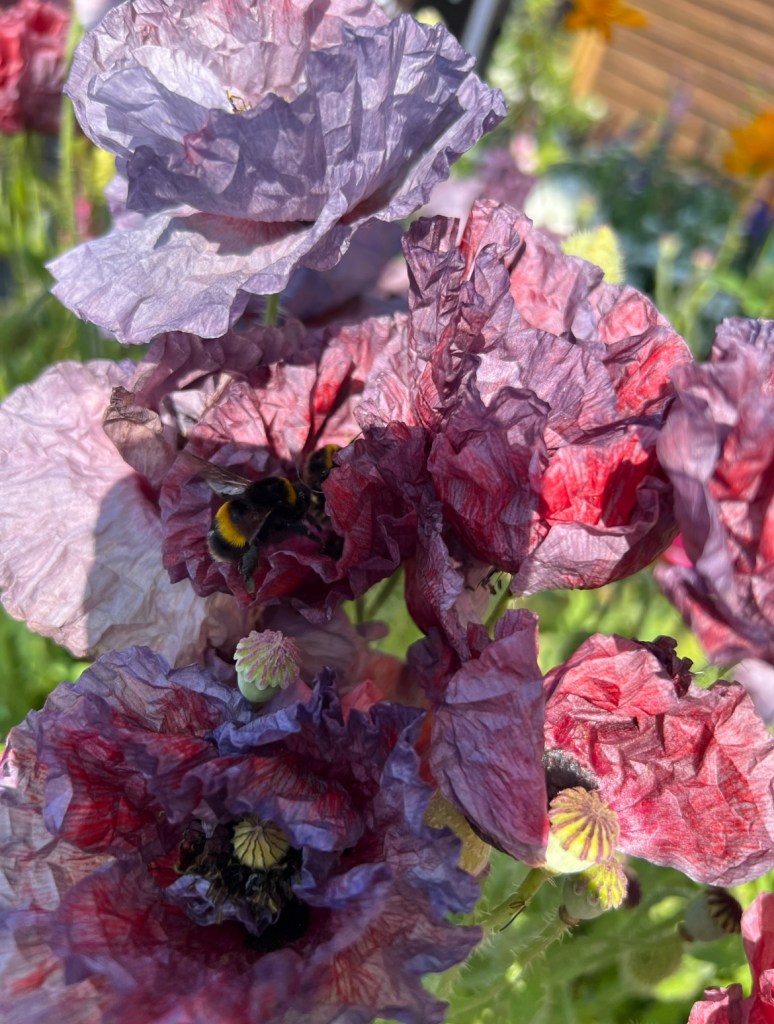
‘Amazing Grey’ poppies – they look a bit weird in photos but when I saw these in real life at Gardeners World Live not only were they a mesmerising grey-red-purple colour, they were heaving with bees! I managed to resist buying one then and there, and ordered seeds instead to grow my own! 

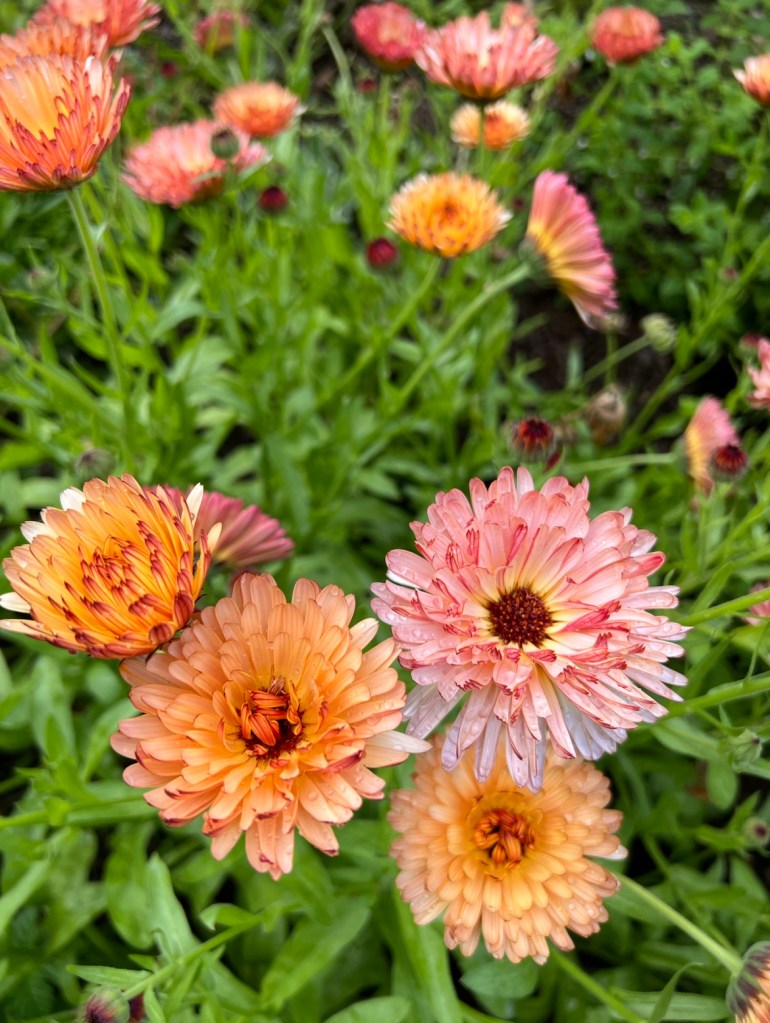
Calendula ‘Sunset Buff’ – these grew in huge clumps at Hospitalfield where I’m a garden volunteer and they are the prettiest soft peach-pink. A lovely alternative to the more common bright orange varieties and they just caught my eye every time I visited. 

Dahlia ‘Café de Paris’ – related to the Insta-popular ‘Café au Lait’ dahlia, this one has a similar shape with a soft pink blush to the petals – it looks absolutely gorgeous.

Other good stuff…

📖 I can’t wait to get started on Arthur Parkinson’s latest book The Flower Yard: Planting a Paradise. I want to do more container growing this year and Arthur has the best eye for combinations of plants which also benefit pollinators and wildlife – I’m certain I’ll be inspired.

🧤 More spring prep – I’m ordering more gloves from Niwaki. These are my favourite light gloves with a nice neat fit which makes it easier to weed or do more fiddly work with them on – I dislike bulky gloves. I’m ordering two pairs this time as I lost one of my existing pair and have been bereft ever since! 

👩🏻‍🌾 I love the variety of international horticultural jobs in this list from Mr Plant Geek. It really shows the variety of roles and skills you can combine in the world of horticulture – so check it out if you are entering the industry or fancy a career change.

Finally… are you going to this? I’m tempted 🤔 The brand new RHS Urban Show seems like it will step away from the usual, more traditional ideas of gardening with its focus on urban and indoor growing and an emphasis on wellbeing. I’d be interested to see if the kind of gardens and exhibits they will have on show are realistic and achievable for all or simply a token nod to houseplants and balcony gardens… could be interesting!
New Year, new blog post, new garden plans

It’s 2023! Garden-wise January can be a bit of a grim month. Everything looks brown and soggy and the days are still very short and usually cold, offering far fewer opportunities to get outside and do anything more than tidying up fallen leaves or cut down decaying stalks.

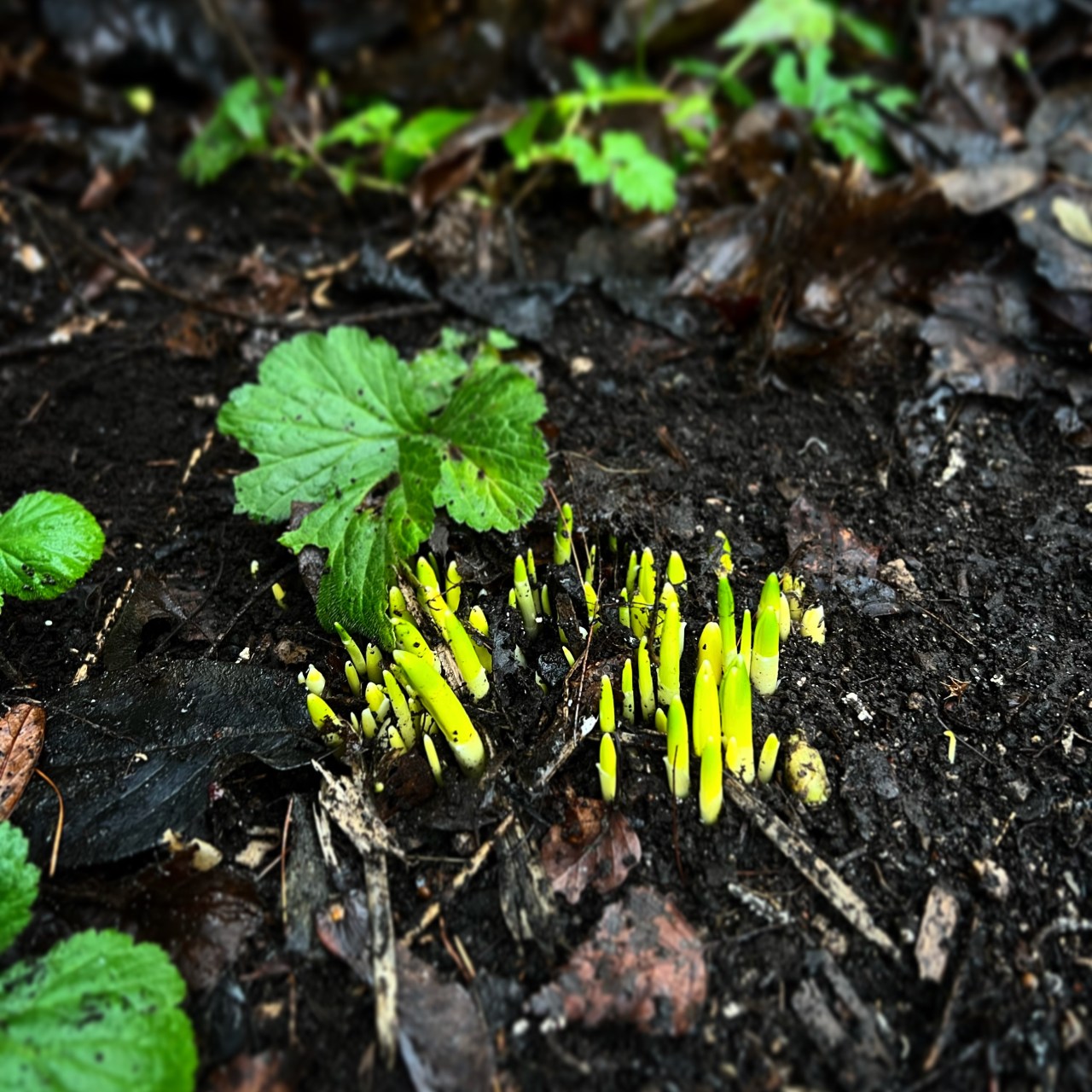
I do always get strangely excited about the turn of the year though, because I know that very soon I’ll be seeing the first little shoots of bulbs poking through the soil – and in fact many of them are already doing just that. January also means it will soon be time to start some early seed sowings. True, it’s still much too early for most annuals or vegetables, but there are a few seeds which do benefit from an early start, especially in Scotland, if you can time it right. 

Bulb shoots are nosing their way out of the soil in my back garden

Instead of making new year resolutions, I prefer to consider what I’ll do more of and what I’ll do less of each year. These are small shifts, as opposed to grand gestures, which are more likely to fall by the wayside.

In the past 12 months I’ve moved up from part time working hours to full time – and that has definitely impacted on the time I can spend in the garden, so I’m taking that into consideration for my 2023 growing plan.       

What will I do less of in the garden this year? 

  • Grow dahlias – I tell myself every year not to buy too many dahlias, and I inevitably fail miserably! However this year I think I’ve really learning my lesson – the dahlias definitely suffered because a lack of time, not to mention the very cold weather we had quite suddenly in November, and as a result of not lifting them and protecting them at the right point I’ve lost most of this year’s tubers.  So this year I will grow fewer dahlias and look after them better. I’m certain I’ll enjoy growing, taking cuttings and nurturing a smaller group, especially if it results in a better display of flowers from them this year. 
  • Growing less, better! – Again, my time in the garden is more limited than it used to be – and I want to avoid spiralling into overwhelm because I have 40 million seedlings to pot on, grass up to my knees and borders full of weeds! So simplification is the key – growing a smaller collection of vegetables, cut flowers and hopefully keeping on top of things as much as possible.
  • Spend less time in the garden – but MORE OFTEN. This is key – I may not have 2 hours to spare every day but I can still get a lot done in 10/15 minutes, or half an hour here and there – and I’m reminded of that every time I do it. Pulling a few weeds, deadheading flowers, pricking out a few seedlings – these things never take quite as long as I think and even a short spell in the garden or greenhouse is time well spent on my own health and a welcome break from work or home life! 
  • Hatching chicks – we love hatching and raising little chicks, but after a difficult time rehoming a number of boys last year, I swore I would not do it again. I’m planning to sell the incubator and enjoy the lovely hens we already have this year.
Molly approves of my plan…

What will I do more of in the garden this year? 

  • Design – I need to revamp one of the main patio areas in the garden; it’s been looking sad and bare (apart from the weeds) all winter and it’s one of our main sitting areas when the weather is good, so I really need to crack on, decide what we’re going to do with it and then get it done! I have a vision for a combination of circular paving, gravel and some drought tolerant, airy planting.
  • More design – I’m interested in Scone Palace’s design competition (details on their Facebook page) – I have no idea if I can do it, but I’d love to give it a try and I already have a few ideas around a possible theme… it seems like a good starting point to test my garden design skills, which I am currently studying to acquire so that I can pass some…
  • …exams – I’m determined to complete the RHS Level 2 course this year so that I can finally achieve a horticulture qualification. Two more exams to go in February – fingers crossed!
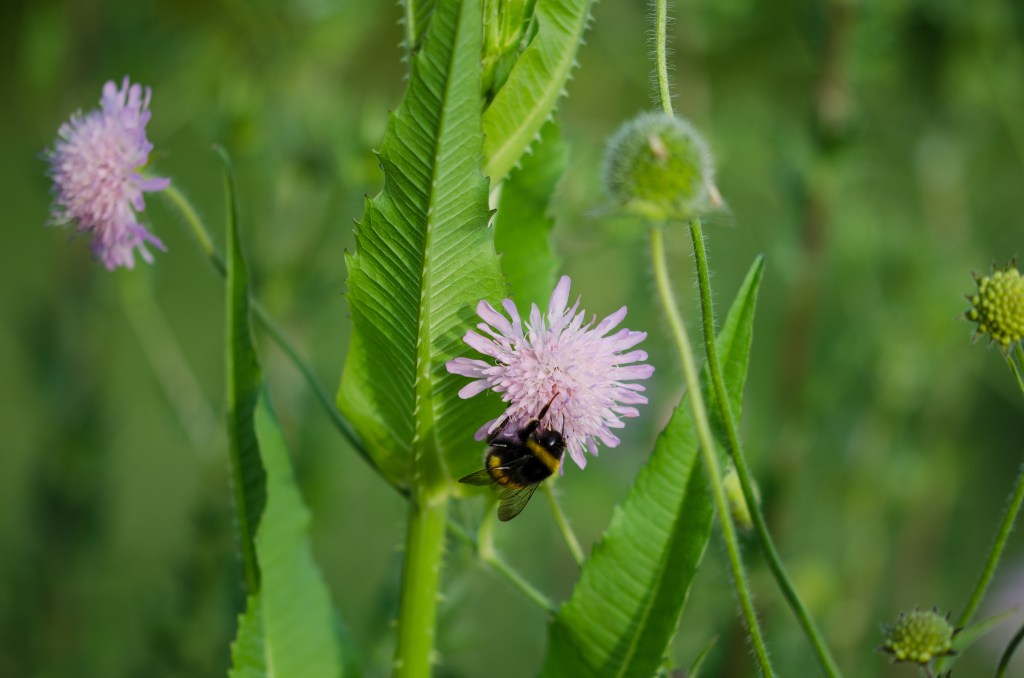
  • Pollinator friendly plants – more, more, more. I think this (and a decent level of drought tolerance) will be guiding my decision making this year – I just love seeing bees, hoverflies, butterflies, bee flies, ladybirds, all manner of insects flying or crawling around the flowers in my garden, so I’ll be choosing and growing more of the kinds plants which attract them and feed them. 
  • Podcasting?? This is a very tentative late entry. I miss writing and recording and meeting new and interesting Scottish gardening people. I might need to experiment a bit with format, content or routine, but if I can work out a way to make podcasting fit into my life alongside work, family and the garden itself, then you might be seeing some new episodes of The Scottish Garden Podcast in 2023…
I’ll be growing more pollinator friendly plants in 2023, like this Knauti macedonica, which bees love

Wildflower Love ♥

This year I have set myself a casual challenge to learn to identify more wildflowers.  When I say it’s a casual challenge, it’s one that has developed in part because of my natural curiosity about plants and in part through necessity.  Garden visits have been almost impossible this spring and summer because of lockdown restrictions, so my focus has fallen to the flowers and plants around me – in the woods and hedgerows where we’ve walked more than ever, as well as further afield as restrictions have been eased and we’ve been able to go out for day trips.  

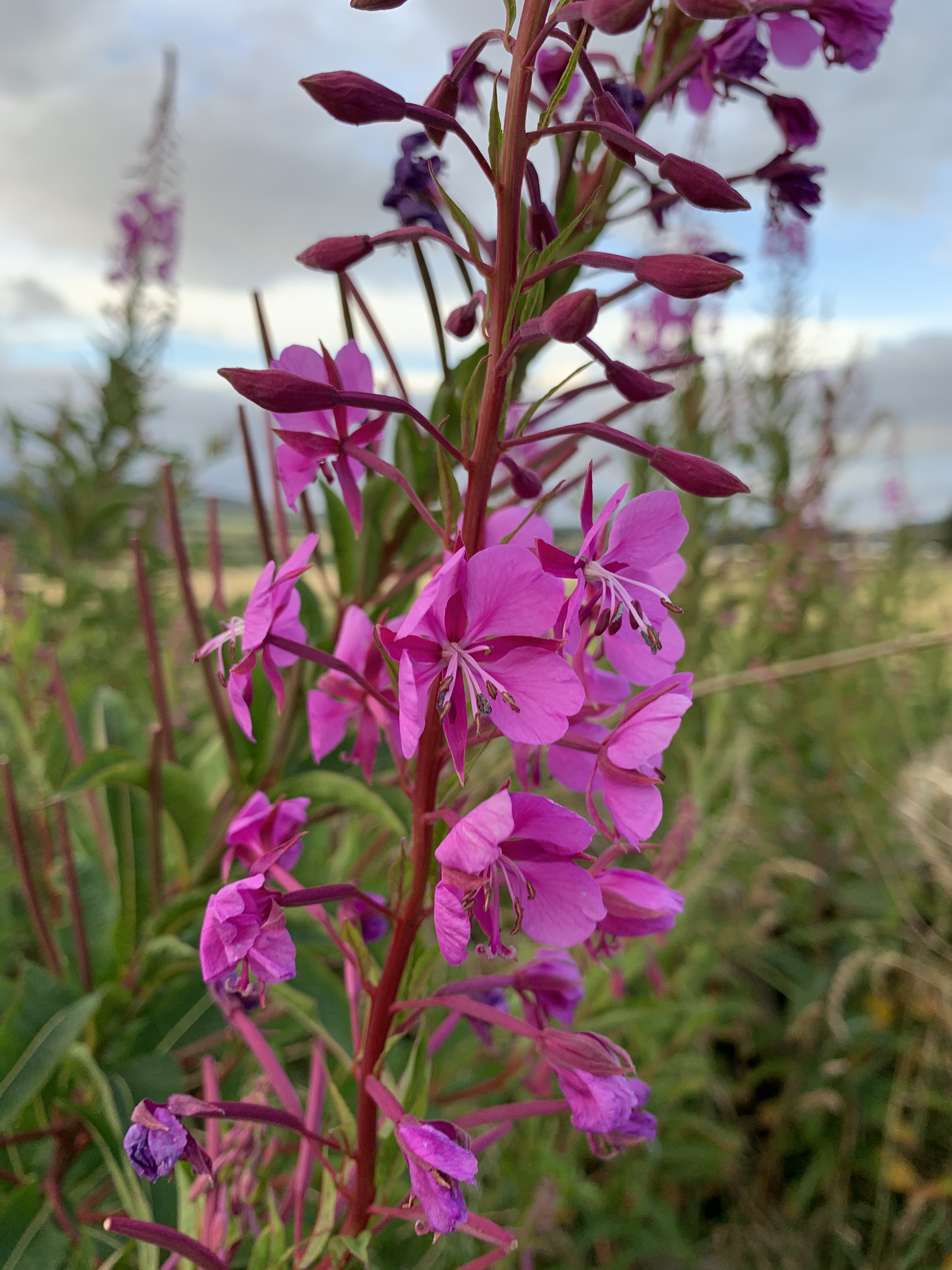
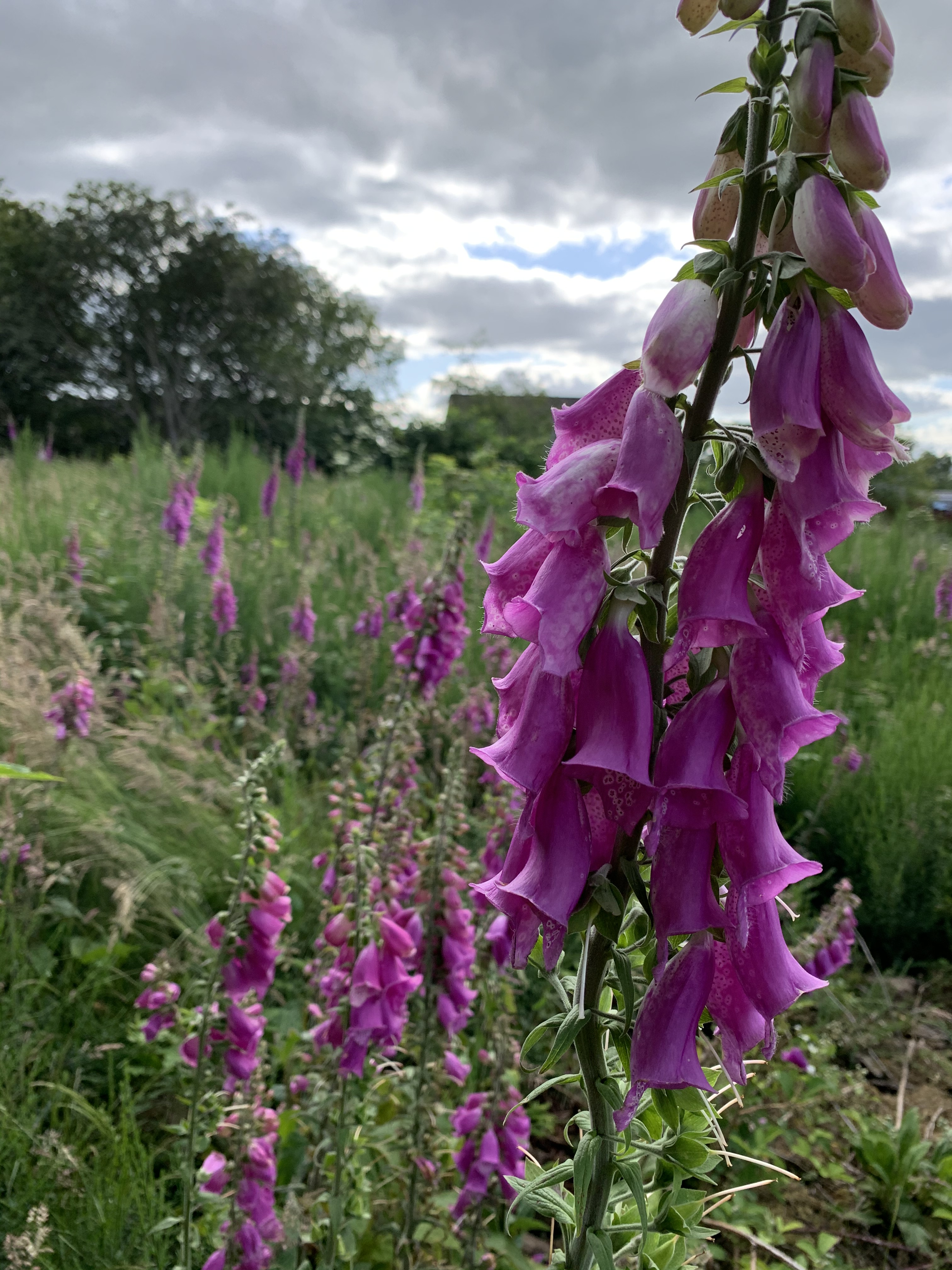
I’ve looked out for all kinds of wildflowers since they began emerging in the spring, and have watched the forest floor and the hedgerows grow and develop through into summer.  Some plants are of course common and easy to identify – wild roses, foxgloves, cowslips and primroses for example.  I love the big fat red clover flowers which are a cousin of the smaller variety popping up in my lawn.  It’s also fairly simple to spot ox-eye daisies and now at this time of year the statuesque rosebay willowherb is gradually turning its eye-poppingly pink flowers to fluffy seedheads.  

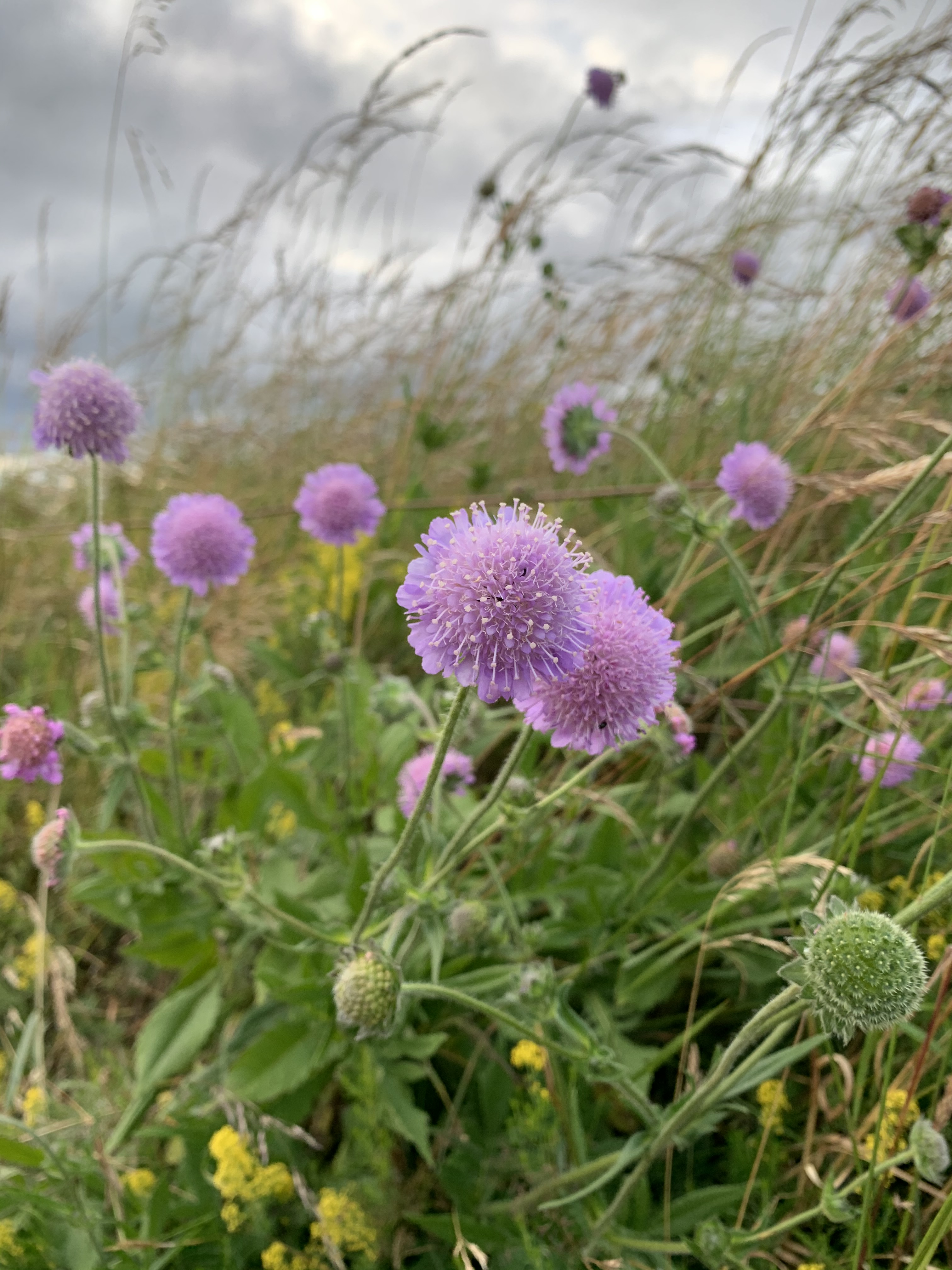
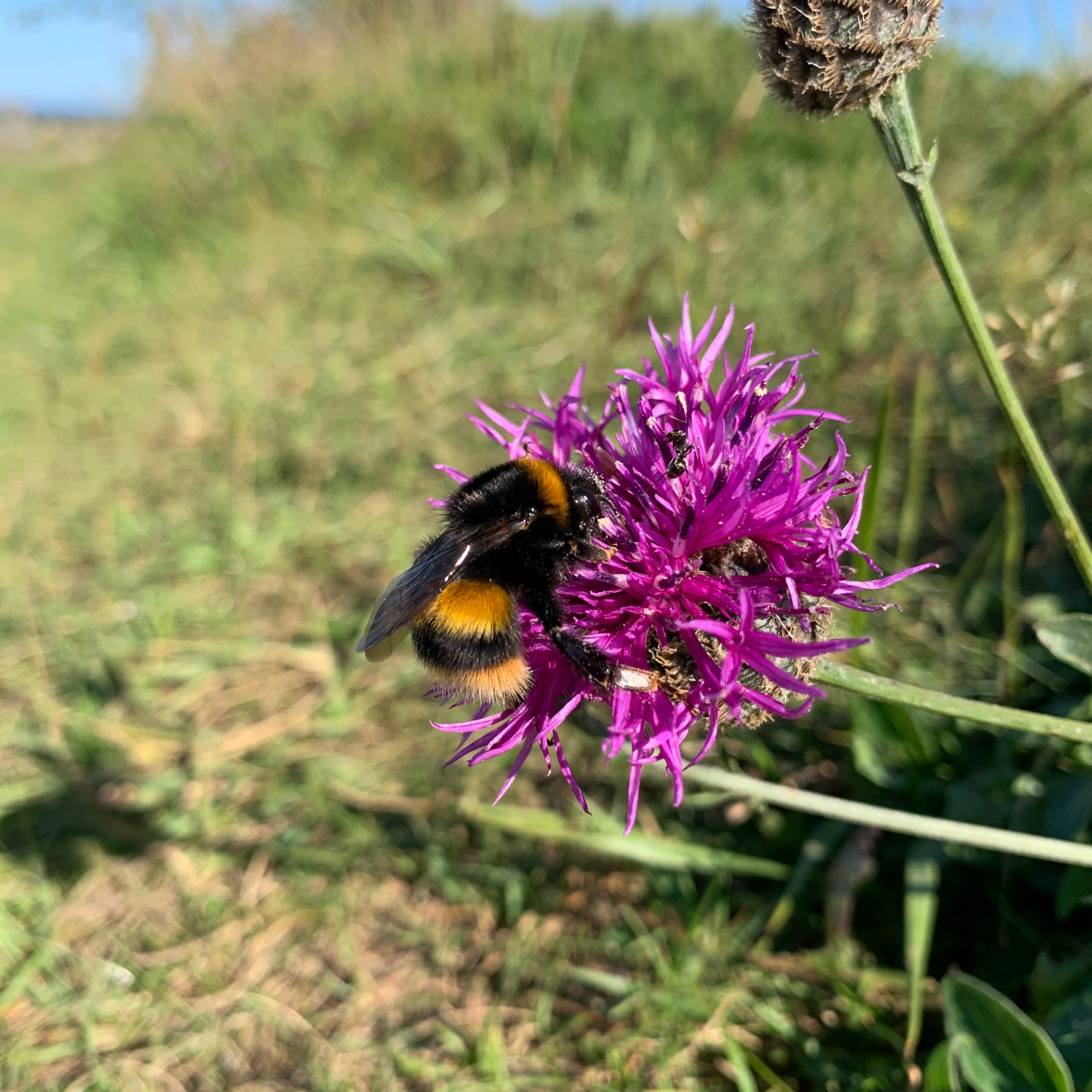
All the pinks and purples! Rosebay willowherb, red clover, field scabious, pink yarrow, foxgloves

But there are lots of flowers which I had previously disregarded or just didn’t look closely enough to really see them, and now I find myself peering into the undergrowth when I visit a new place to see if I can find anything unusual. I use my phone to take photos of whatever I find, and anything I really can’t identify I can then look up in my handy Wild Flowers book at home.  It’s a slightly old-fashioned book, with illustrations instead of photos but I’ve found it simple to identify each plant according to its kind, and I can also be slightly smug with myself about looking up an actual reference book for a change instead of relying on Google or an app!   

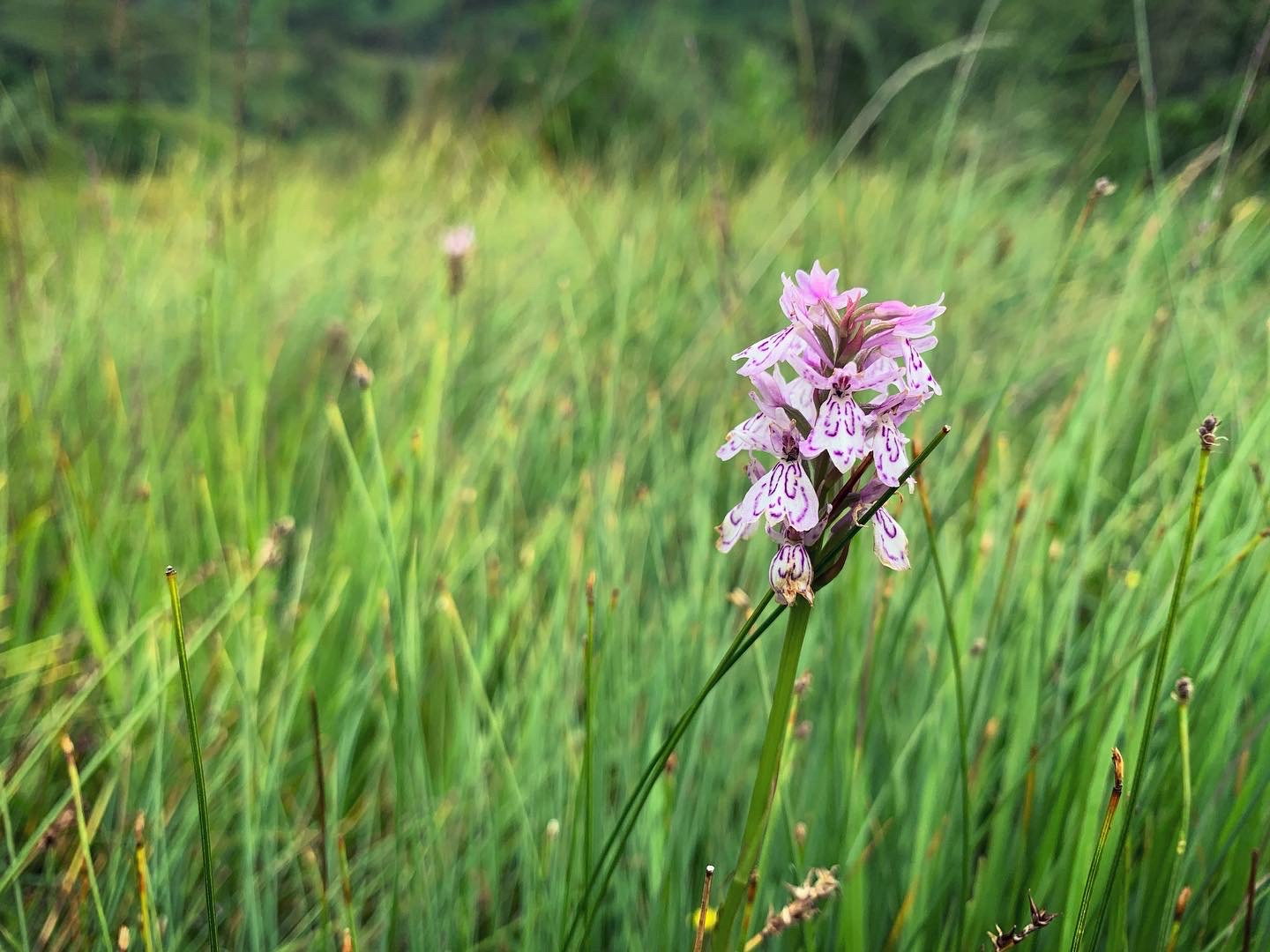
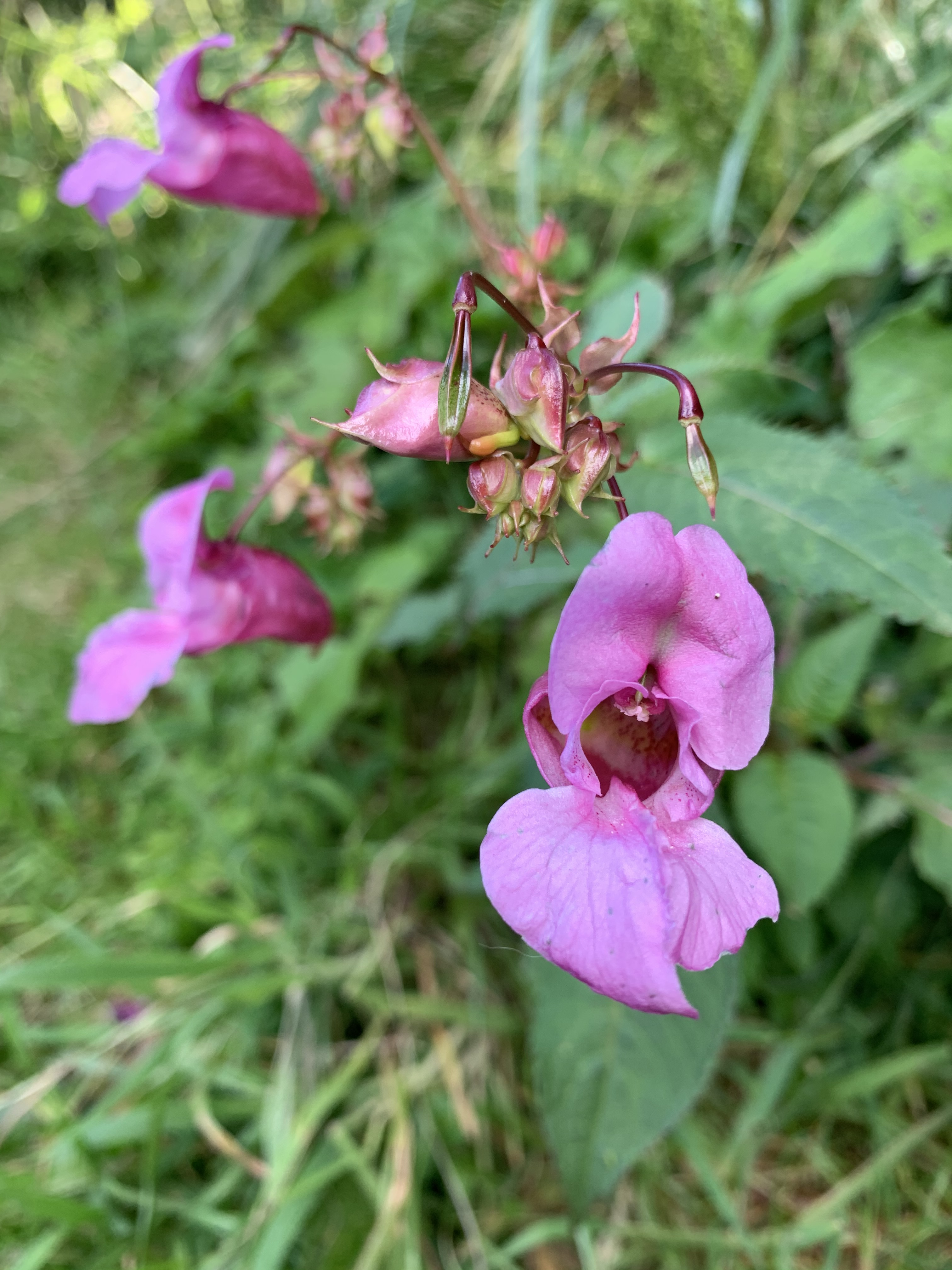
One of my most exciting finds this summer was a Common Spotted Orchid, discovered at the Glenfinnan Viaduct, and the infamous Himalyan Balsam which I found on the banks of the River North Esk.  It’s not uncommon, which is part of its problem – it’s an infamously invasive non-native plant but up until recently I had read about it, but never knowingly seen it.  

Common-spotted orchid, Himalayan balsam

Closer to home, I was also gifted a Seedball to trial earlier in the year, so I’ve used it to help develop a wildflower section in one of my raised beds.  I’ve documented the sowing and growing on my Instagram feed, and there’s a video in my Highlights showing just how easy these are – you just scatter the little clay balls in spring around the area where you want to grow your wildflowers and they will naturally break down and germinate in time to flower for the summer.  I’ve also been growing Ragged Robin from seed, a wildflower which loves damp soil around ponds, so a little group of these is now in a pot next to my tin bath pond. I would love to introduce more wildflowers to my garden – they’re tough but pretty in a natural, uncultivated way, and loved by all kinds of insects.  

Corn Marigolds popping up where I scattered my tin of Seedballs

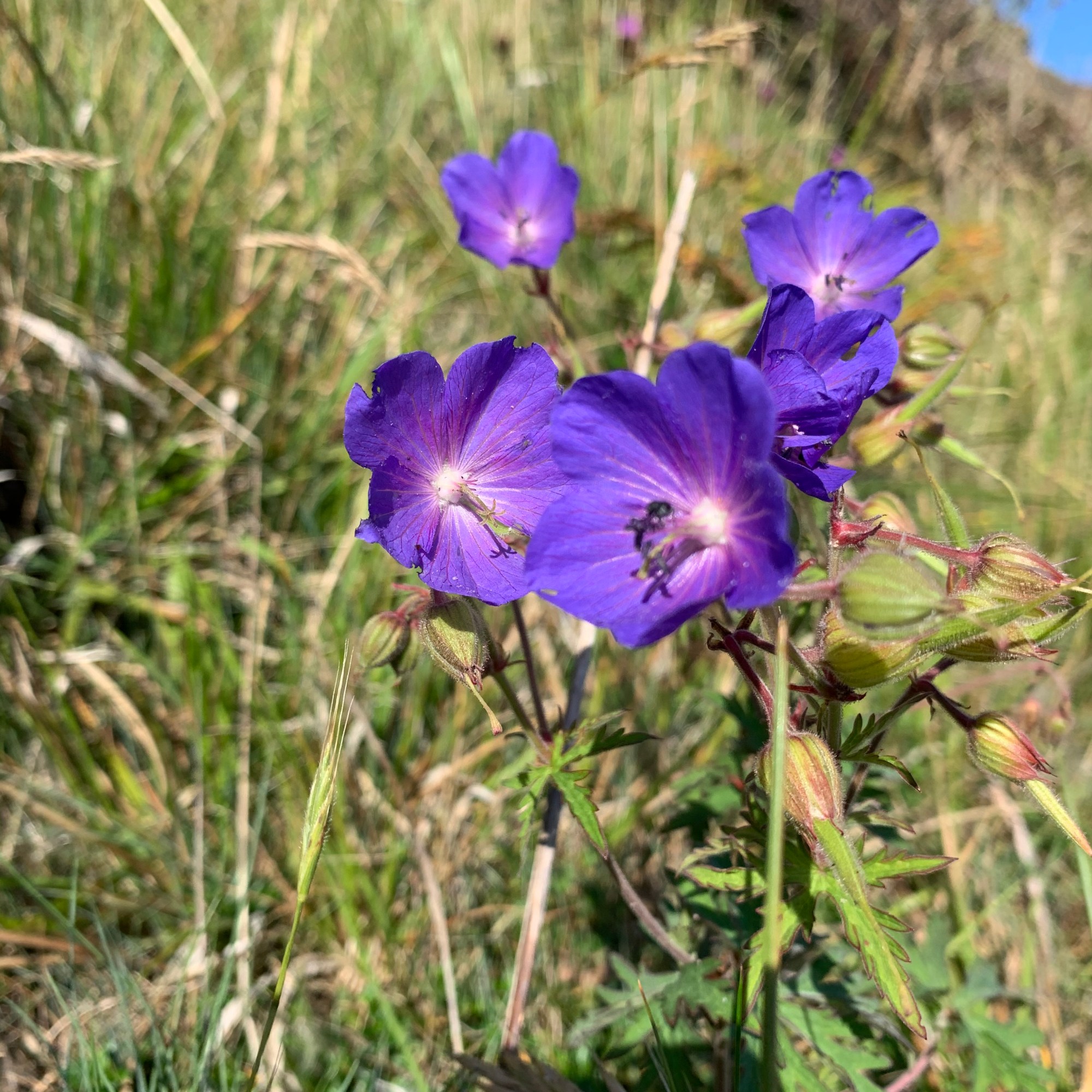
So it’s been a mini journey of discovery for me so far this year.  I’ve really enjoyed spotting and identifying the plants I’ve seen every day but couldn’t name, such as lady’s bedstraw, field scabious, self-heal, eyebright and also looking out for the best and most beautiful specimens of some old favourites, like harebells, foxgloves and meadow cranesbill.  Try it yourself – take a closer look and use a book or an app to figure out what you’ve found.  The plants which grow in our home environment are so important for biodiversity, supporting pollinators, providing a healthy eco-system and help us to notice the change in seasons as early dots of colour give way to blousy, overblown hedgerows.   It’s useful and enjoyable to know what’s growing just outside your garden walls. 

Harebells and self-heal at the River North Esk
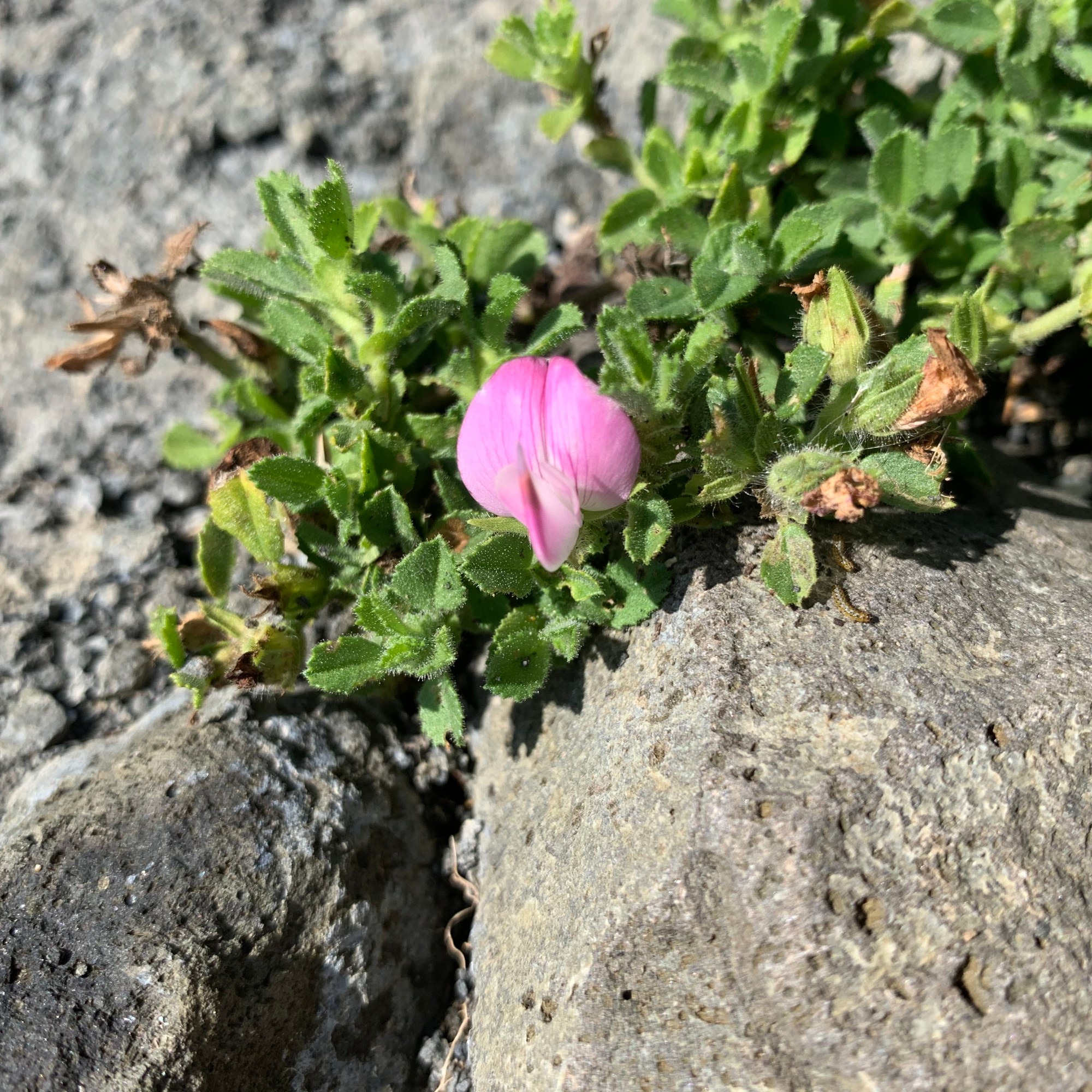
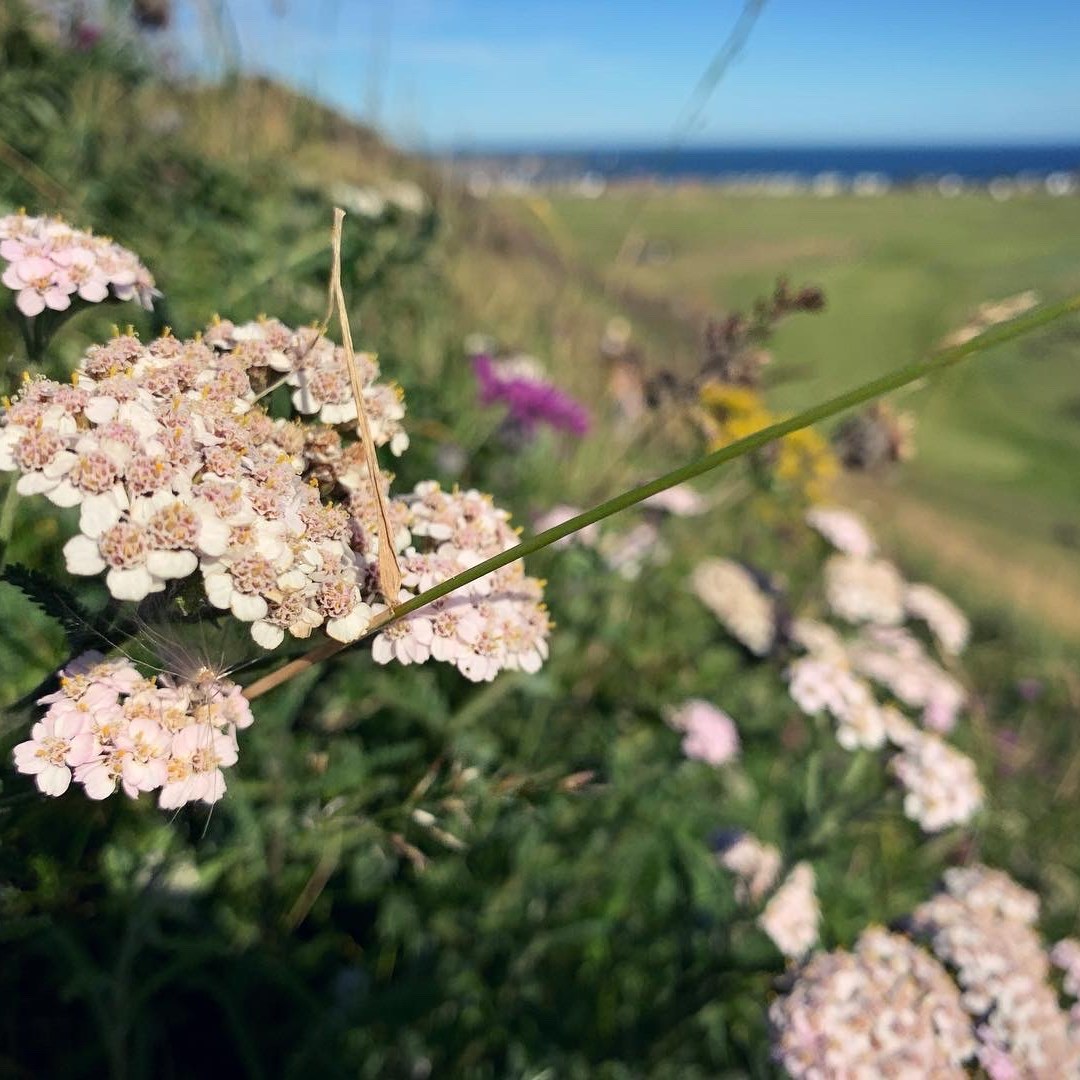
Meadow cranesbill, evening primrose, wild thyme, cornflower, rest-harrow (I think!), yarrow at Elie, Fife
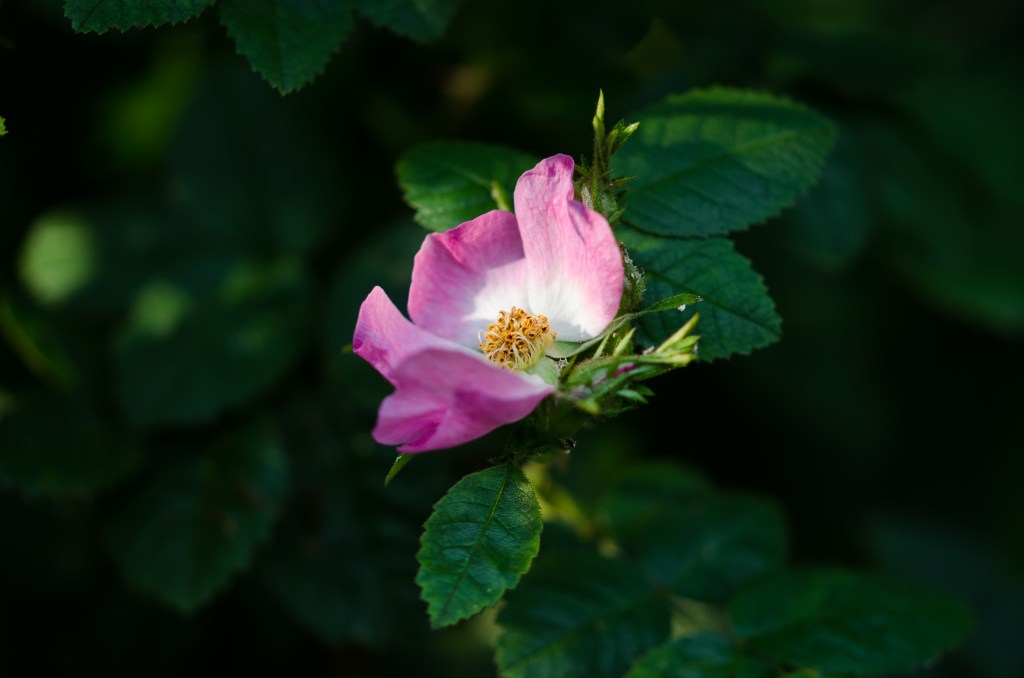
Wild rose, in the woods behind my home

Garden Goodies @ GPE 2020

Last week I attended the Garden Press Event in London for the first time – this is an event organised to allow the horticulture industry to come together so that journalists can view the latest products, find out about new campaigns and generally share information and news. It was a whistlestop tour of all the big names in the industry, plus lots of smaller and emerging businesses with new and interesting products to bring to the market. Not to mention initiatives like National Children’s Gardening Week and Garden Day which aim to raise the profile of gardening generally.

There were a few items which particularly caught my attention, so here’s my list of Top 5 Garden Goodies from the GPE 2020:

  • Nemaknights – I had spotted this advertised in a magazine and then promptly forgot what it was called, so I was delighted to find NemaKnights had a stall, and quizzed them on this potentially transformative product! Essentially it’s nematodes in granular form which you can shake onto the soil as and when you need it. It’s a biological pest control which is child, pet and wildlife friendly and targets slugs and snails, although it’s also available for vine weevils, ants and sciarid flies. If you’ve used nematodes before you’ll know that up until now they’ve been a bit fiddly to use – with a short shelf life, they’re kept in the fridge then you’ve got to add water, mix and water into your soil. Nemaknights seems to eliminate the fuss, making it much easier to use a pesticide-free solution to an age-old problem. I’m looking forward to trying this as we do have many slugs in our garden – I’d also be keen to use it for fungus gnats because this is the time of year they tend to reappear, when my windowsills are full of germinating seed trays!

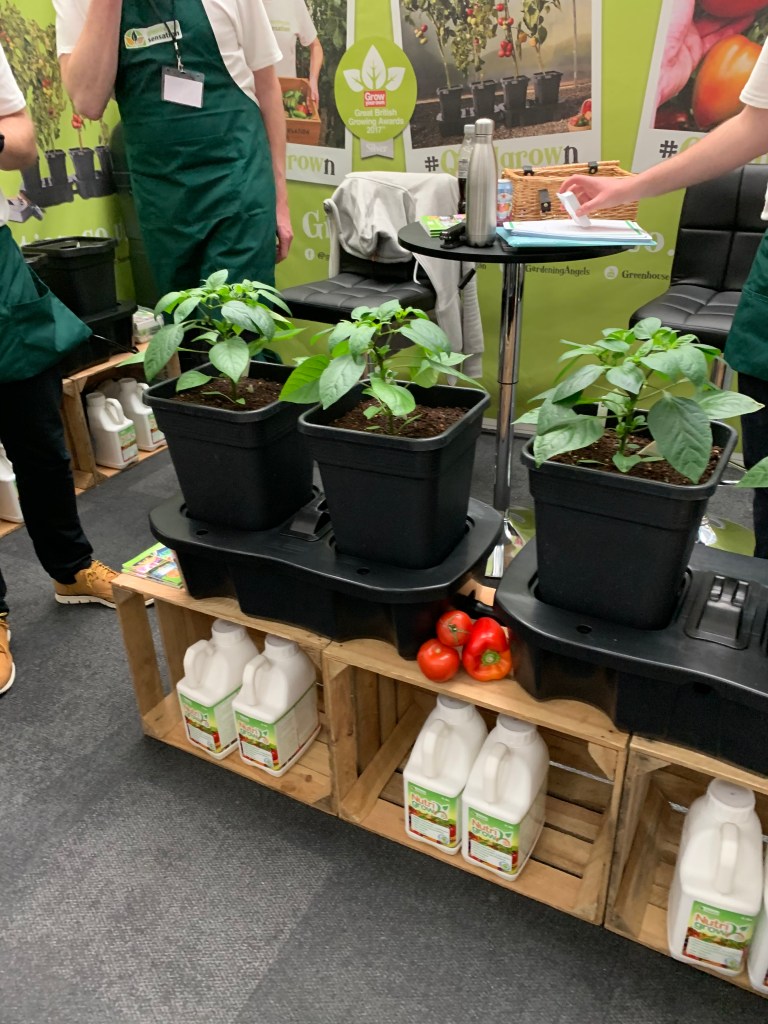
Quadgrow – another product I was very taken by was the Quadgrow by Greenhouse Sensation. This is a self-watering planter, ideal for crops such as tomatoes, peppers, aubergines or courgettes, and can be used in the greenhouse, polytunnel or on a patio. It promises to keep plants at just the right moisture level for around 14 days using a wicking system, resulting in 2x bigger harvests compared to grow bags or pots. I can see this working well for my tomatoes – or possibly the aubergines and courgettes which are currently only seedlings… so watch this space!

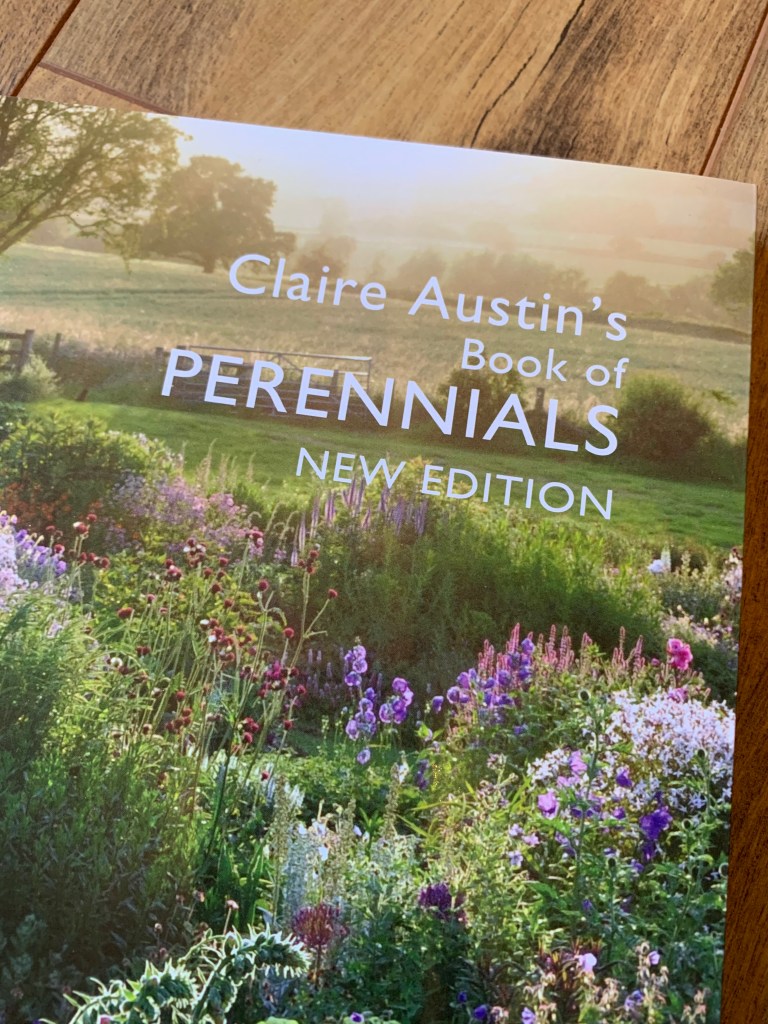
Claire Austin’s Book of Perennials – it was great to speak to Claire Austin herself who was there to promote her newly revised Book of Perennials. I had read about her most recent venture The Sarn in February’s Gardens Illustrated and loved the idea of opening a pub with a plant nursery out the back! Beer and plants – what more could you want?! And I was lucky enough to take away a copy of the book, which I am certain will fuel my daydream of one day owning my own independent nursery. The book was first published in 2015 and has been revised to include 180 new varieties with extended features on peonies and irises. It’s full of advice on choosing and caring for perennials, and how to plant them together. Plus there are 700 plants listed – a perennial lovers paradise.

Honeyfield’s – this is a company producing wild bird food and associated feeders, nest boxes etc. The brand is owned by Marriages, which makes pet food and animal feed, and is now an authority on environmentally friendly wild bird care. Honeyfield’s stands apart from other suppliers in its approach to sourcing seed and sustainability – it’s the first supplier of Fair to Nature bird seed in the UK, which means it’s commited to using cereals and other feeds from farms which grow crops to sustain farmland bird species. So Honeyfield’s not only feeds garden birds, but also looks after those in the countryside too. Not only that, but their packaging is recyclable and they encourage consumer to use a refillable ‘Tub for Life’ for zero-waste shopping. I’ll be popping one of their Easy Clean Seed Feeders out into the garden shortly and I’m certain the local birds are going to love it! Check out Honeyfield’s excellent range of feeding guides here and their brilliant Bird Bites videos, which cover a host of different wild bird care topics.

Activearth – I was very intrigued by this new product, which claims to supercharge your soil. As the owner of some under-performing raised beds, I’m currently on the hunt for ideas to help increase the nutrient levels of my soil and improve the health of the plants I grow in them. Activearth is an organic pellet which provides the soil with 4 essential minerals (Magnesium, Calcium, Hydrogen and Potassium) plus beneficial soil bacteria, to improve fertility and plant growth in a slow release format. Scattered over the growing area, Activearth promises to transform the soil ‘from compacted and dormant to biologically active and nutrient-rich’. This, I like the sound of. So I will try the small sample I’ve got and see if there are any significant improvements – it sounds like a magic formula, and it smells like biscuits! Is it too good to be true? I hope to find out and report back…

Where do ladybirds go in winter?

This is the question I’ve been asking myself lately.

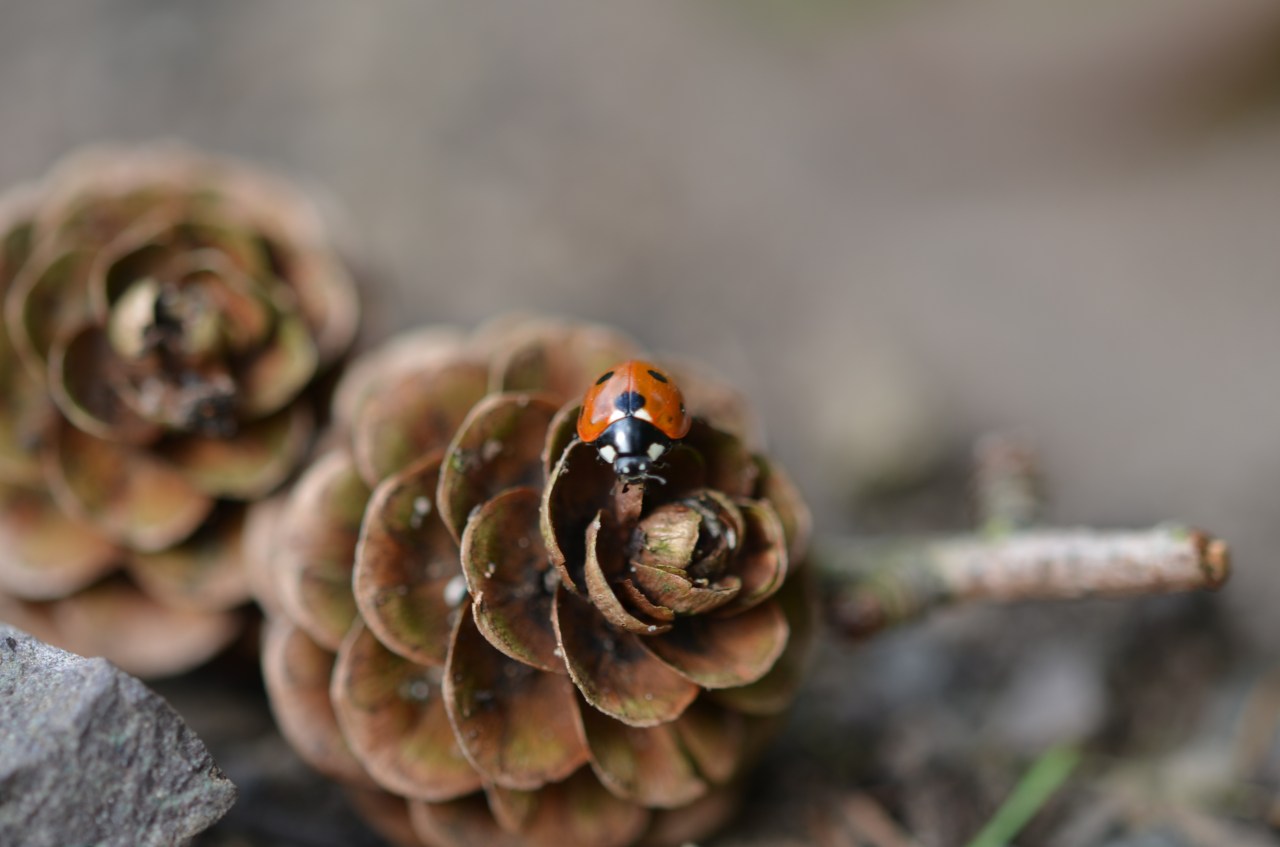
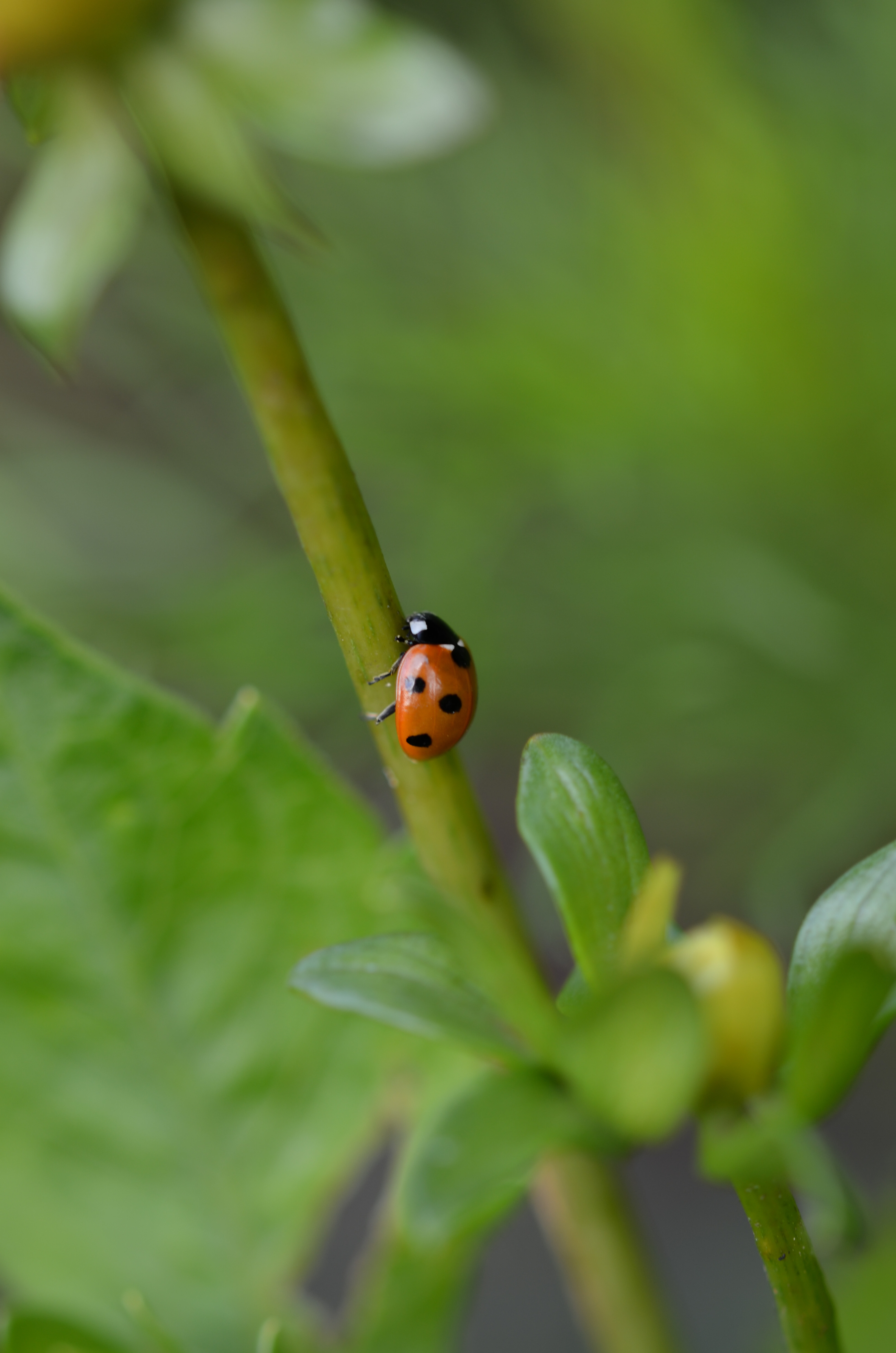
I’ve noticed more ladybirds than ever in my garden this year.  They’ve popped up all over the place – in pots, under the bin lids, on doorframes, in the house, and – thankfully – on my plants, presumably feasting on any pests which would dare to come their way.  It’s no coincidence that I’ve barely noticed a single greenfly since the spring.

20180826-DSC_0563

They seemed particularly happy perching in and around the sunflower heads, especially the slightly dried-and-curled-up faded flowers which must give them plenty of nooks and crannies in which to hide.

img_6982

They also – strangely – took to congregating in the multiple hose head thing which I installed to try and keep the plants watered while we were on holiday.  I’ve no idea why this was an attractive place to gather, but each time I looked in there were at least half a dozen piled into it.

img_6442

So, as the season has changed and the temperature’s dropped, I’ve been asking myself what’s going to happen to the ladybirds now?  Many of them still seemed to be hiding out in my faded sunflowers, and I needed to cut these down – but I didn’t want to disturb them or compost their winter hideaway.  And I don’t have a bug hotel in my garden which I could encourage them to populate instead.

dsc_0494

Apparently they do hibernate for the winter in various types of sheltered spots – tree bark, leaf litter etc.   They like crevices, leaves, bark, often low down.  So, having spent some time clearing the raised beds today, I did cut down the sunflowers, but took the heads of the flowers off first with a short section of stem and have piled them, and their little ladybird occupants, in a sheltered corner.  Hopefully the ladybirds will make themselves cosy there for the winter or can crawl away to the many trees and piles of leaves nearby which might make a more suitable winter holiday home.

I certainly hope they will wake up and return in the spring – it’s been a real joy to have a loveliness of ladybirds sharing my garden this year.


dsc_0382

Learning lessons…

This summer I have been learning a few lessons.  Not the book-reading kind – I’ve taken a break from horticulture studies as I decided that it would be madness to add this to the summer agenda of school holidays, parenting, working, enjoying the heatwave and almost constant watering.  I plan to resume studies in September (seems like a good ‘new-term’ kind of time to do it) but there have been plenty of other things to learn on a more practical level during the past few weeks:

1. I CAN have a nursery in my back garden.  This is number one because it’s been the most exciting and satisfying lesson of recent weeks.  For quite a while I’ve dreamed of having my own nursery – growing the kind of plants I love to sell to others – and I’ve take a big step forward by simply doing it.  I had quite a large number of surplus perennials and annuals which I had grown for planting in the front garden.  So I started a Facebook page, listed a few plants on FB Marketplace – and people actually wanted to buy them!

img_58871
The Secret Garden is open for busines…

I’ve called this a micro-nursery because it really is tiny – both in size and in stock availability – compared to a proper commercial nursery anyway! It’s very small-scale and I have not made a huge amount of money – perhaps enough to re-invest in some plants and seeds for next year.  But it has been worth it for the experience of producing plants for others, learning how to market them and deal with customers and moving towards my dream of owning a little independent nursery growing wonderful perennials, annuals, herbs and shrubs suitable for Scottish gardens.  In fact, I suddenly realised that not only moving towards it but I’m actually doing my dream – the Secret Garden micro-nursery is my own little corner of the earth for doing just that.  It may be small, and I may not make a living from it just now – or ever – but I’m doing it!  Having dipped my toe in the water this summer, so to speak, I’m excited to see how I can take it forward.  I am already planning ahead for next year: which plants to grow again and which were not successful or less popular; better ways to market the business, how to grow and expand via social media…. I have so many ideas for how to keep going and growing – and I’m so glad I’ve taken the first step.

2. Echinaceas are tricky to grow from seed.

When they do succeed and flower in the garden they are gorgeous and are currently providing a fantastic pop of pink in my front border.  But I have been trying since early spring to grow the intriguing looking variety ‘Double Decker’ and this is the result…

img_59072

Barely an inch of growth for the entire season.  I don’t know if it’s the seed, the soil, the conditions, or my lack of faith.  But those echinaceas are not going to grow into beautiful, flowering plants.  Mainly because I’ve composted them.

3. Don’t grow cucamelons too close together.

This was a difficult lesson to learn, resulting in me recruiting my eldest daughter to help me untangle about 20 young cucamelon seedlings which had started to twine around each other as well as other plants in the greenhouse.   We spent some time separating the cucamelons’ delicate tendrils, trying not to damage them.  Finally we got them all apart, so I potted up the ones I wanted to grow on, supporting them with bamboo canes.  I also potted a few more into a hanging basket, to see if they’ll grow as successfully hanging down.  However I was still left with quite a number of plants which no-one showed any interest in buying (I guess my local customers are not as interested as I am in experimental or exotic fruit/veg!) so I had to compost these too.  Which leads me to the next lesson…

3. Don’t sow too many seeds!

I do this Every.  Single.  Year.  and tell myself I don’t care – I just want loads of plants!

img_59191
Composting healthy cucamelons…argh! 

But inevitably there are Too Many Plants.  So I have to spend more time and effort potting on, watering and resisting throwing them away because I hate getting rid of potential plants.  However they do end up going in the compost as I have no room or they’re not selling or become too poor quality to sell.  If I want to raise more plants to sell I must be more efficient with space, materials and my time. So – I will sow more sensibly next year.  I will sow more sensibly next year.  I will sow more sensibly next year… I will…

4. Don’t dig – and don’t do green manure

I wanted to have a no-dig policy this year…but then I also decided it would be a good idea to sow green manure.  But these two things are not entirely compatible.  Yes, I think it is possible to do both – but I ended up doing neither very well.  The green manure grew well in some beds, but not so well in others, at least giving me an indication of the soil quality in each one.  But in the spring I then had to cut down and either remove or dig in the plants.  I tried to remove the majority of the largest plants, but eventually ended up digging over most of the soil, which still had shoots and roots left in them.  This is, of course, what you are supposed to do with green manure – but didn’t comply with the no-dig theory!  This autumn I will try to mulch the beds and may well cover some over if they are bare.  I don’t tend to grow many winter crops so I think I will mulch, cover and officially begin my no-dig policy next spring.

img_5915
The Secret Garden in early August

5. It’s all about layers

The front garden is looking well – probably deserves its own separate post to update on how it’s developing – but I still see lots of gaps.  I can see bare soil and smaller-than-they-should-be plants.  When I visit other gardens, I notice the fullness of the planting, how each plant blends together and merges to create a whole effect.  I think I am moving towards this, but it’s taking time.  And that’s ok.  I’m learning that I can’t achieve this look in one growing season, unless I empty the bank account at the local garden centre (not an option, according to my husband).  But I appreciate that this year there’s an extra layer that wasn’t there last year.  And next year there will be another and then another, until I’ve got the overflowing herbaceous border that I can see in my mind’s eye!  I’m playing the long game – and that’s good, because I’m really enjoying it.

20170821-DSC_0438
Echinacea purpurea – as it should look – in the front garden

Spring has sprung…

…and my blog is suffering!  But it’s a good sign – I’m blogging less because I’m spending more time in the garden.  I have to – there are seedlings to prick out, beds to mulch, weeds to weed and plants to pot up.  And it’s only going to get busier from here on in!

Real Life is also getting in the way of Creative Life, as it sometimes does.

The best way to bring you up to speed is perhaps to post a few photographs of some of the garden jobs I’ve been up to in the past month or so…

IMG_2400.jpg

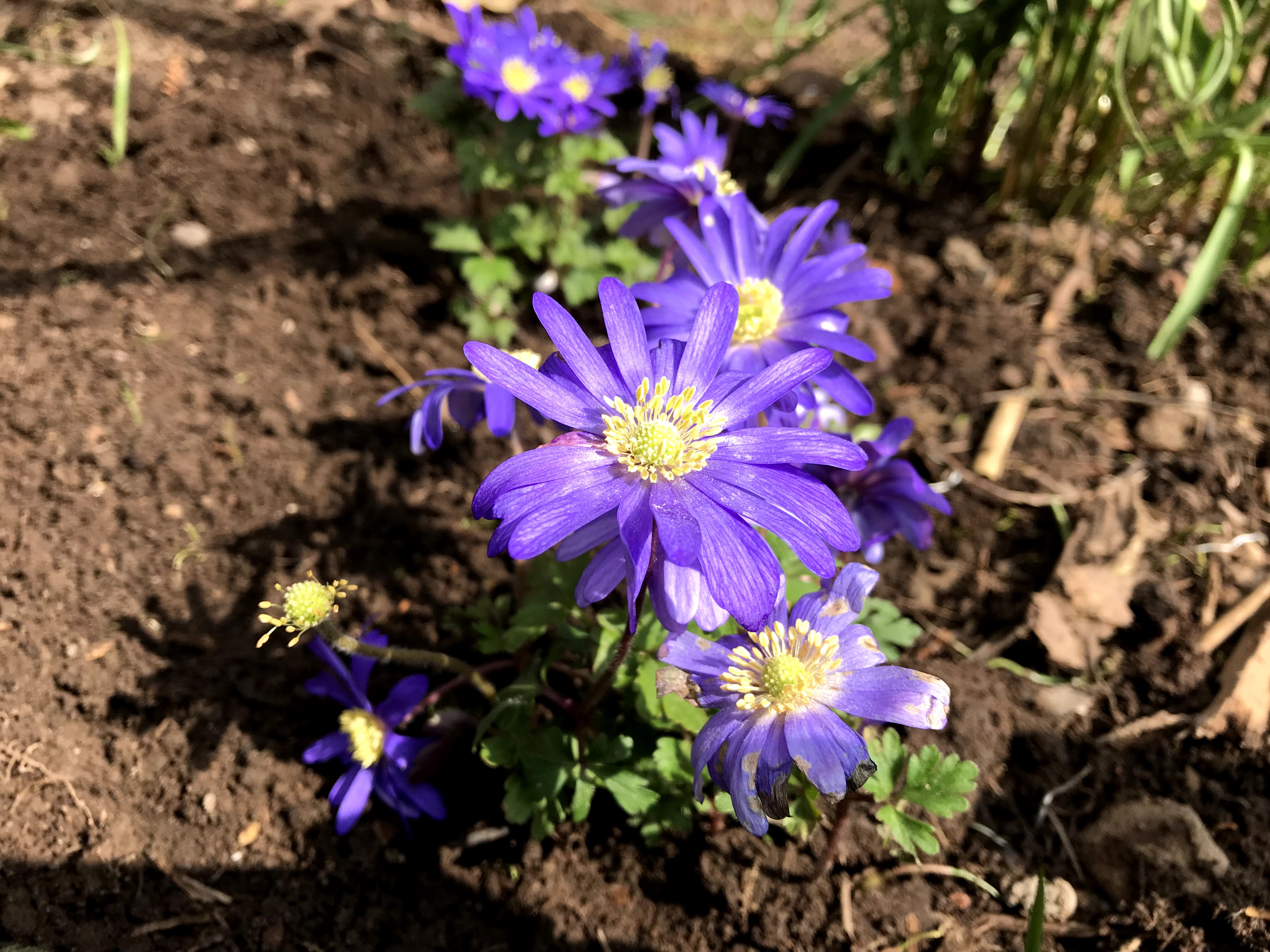
I’ve bought and planted half a dozen Anemone blanda to perk up a bare patch of earth under the magnolia in the back garden

IMG_2367.jpg

I’ve got two plants for my tin-bath pond – a lovely double marsh marigold and a corkscrew rush

IMG_2657.jpg

The forced rhubarb is about ready to pick!


IMG_2629.jpg

I briefly considered starting a sycamore farm – these are all the seedlings germinating at the side of the greenhouse… and there are many, many, many more popping up around the raised beds, paths, plant pots, in between paving stones…

IMG_2046.jpg

I’ve started all my dahlias…and *may* have bought some more along the way… #dahliaaddict

IMG_2406.jpg

Most of my seedlings and young plants are progressing well – some of these I’ve already planted out, like the forget-me-nots, wallflowers and gypsophilia.

IMG_2810.jpg

Basically I am loving the fact that Spring has arrived, bulbs are blooming and the sun is occasionally shining – long may it continue!

It’s the age-old battle for a garden blogger – blog vs garden.

I suspect I will be posting monthly for the forseeable, however I do post much more frequently on Instagram and you can follow me there for some micro-blogging action at @mycorneroftheearth.


Planning…

img_0568

It’s time to get planning.  For the past few weeks and months, a lot of ideas, plans and wish lists have been floating about in my head or, when possible, noted on my phone (Notes, Reminders and Evernote are the gardener’s friends for recording these on-the-go).  I’ve also sorted through the seeds I have left from last year as well as ordering a few to sow this year.  Now the moment has come to commit these to paper and decide when to plant it all and where to put it all.

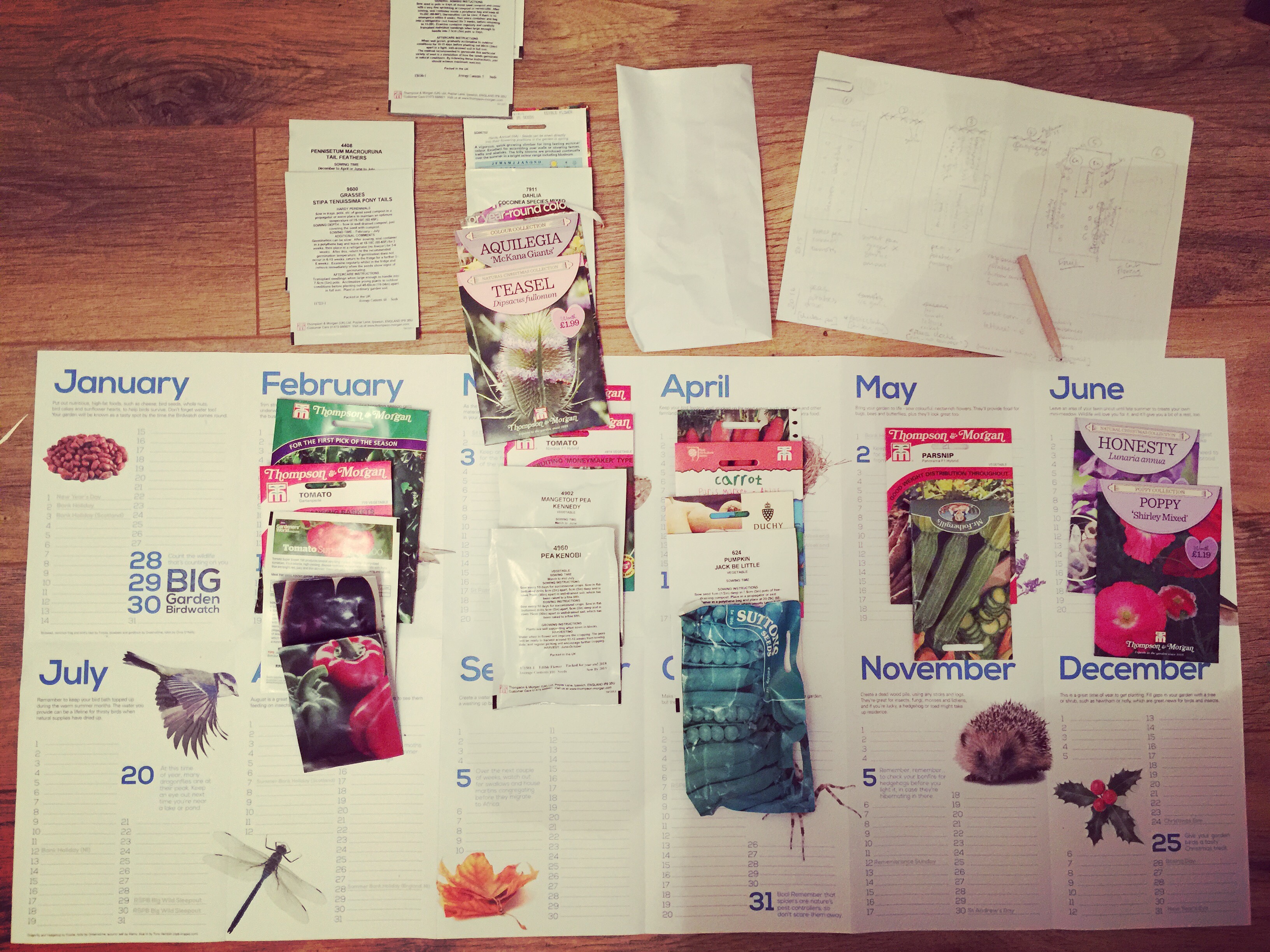
I’ve made use of this year’s Big Garden Birdwatch year planner and made myself a visual guide – each packet’s been placed on the month which is the earliest they can be planted. If I follow the plan exactly, the next couple of months are going to be busy!  However, I suspect the timings will be very much dependent on climate and opportunity.  I hope that I’ll get a few peas (sweet and savoury) off to a start in the greenhouse by the end of this month, however where we are (East Scotland) it may be worth waiting until a little later to sow many of these plants, so that by the time they are ready for planting out, the weather will also be ready to welcome them.

Until then, I’ll keep tweaking The Planting Plan and I have some work to do in the front garden – I’ve begun moving a few shrubs to clear various areas for new planting.  I’ve been reading quite a bit about garden design and collecting a few resources to help with this task (more on these in another post) and am looking forward to giving the front beds a serious overhaul.

We’re still in the middle of winter…but Spring is coming!

img_0030


Sunshine and snow

It has been a week of VERY mixed weather, with the past couple of days seeing glorious sunshine…while little flakes of snow gently drift down from above.  Beautiful but c-c-c-cold.

So I’ve been wrapping up some of my tender plants or bringing in those in pots which I’ve been hardening off, like geraniums and fuschia.  The passiflora I planted up in a lovely blue pot just last week is currently ‘dressed’ in one of my husband’s old t-shirts pinned together with clothes pegs.  And my pea seedlings, which are showing signs of slight frost damage have most recently been protected by a free fleece cover which I got when I  recently bought a little growhouse.

I chose the wrong week to move my seedlings from the utility/greenhouse into their new growhouse (I got it partly for hardening them off and to make watering easier, and partly to get some space back in the utility room!) because I think they’ll be ok inside their little plastic cocoon but I’ve been worrying about them during the snowy days – maybe it’s just too cold for them to be outside??  I’d be frustrated to lose them after spending the last few weeks watching them grow.  But I suppose that’s the joy/despair of gardening! Fingers crossed they are protected enough and will survive this cold snap.

Checking the raised beds in the secret garden, I discovered signs of germination – hurrah!  The purple sprouting broccolli is emerging, along with a few pea shoots and some rocket and lettuce.  I am slightly worried about my potatoes – not a sign yet, although my dad, who planted his just the day before I did, has already got green tops showing.

Back in the main back garden, the blossom on the apple and plum trees is there, tightly wadded up, just waiting for the next warm and sunny day to burst out and really show off.  I love blossom.  One or two little flowers are already emerging – a hint of what’s to come…

DSC_0542


Lobelia learning curve

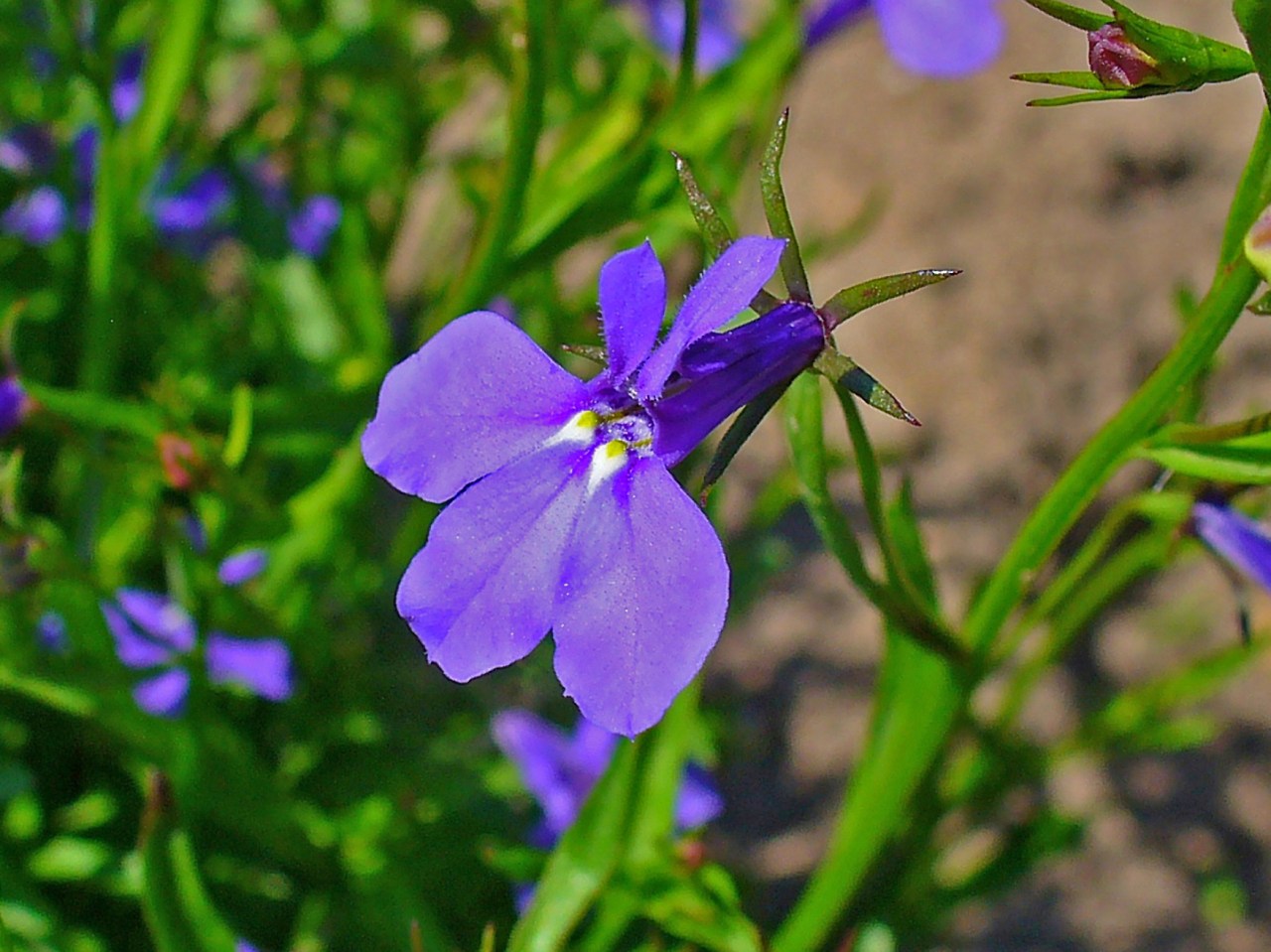
I sowed lobelia last year, directly into the raised bed I used to grow cut flowers* and they did quite well, but flowered fairly late in the season and are not really great for cutting, they’re better for baskets or pots.  So this year I sowed early under cover, with the aim of using the plants for two large wire hanging baskets which we inherited with the house.  I have a vision of these lovely trailing purple flowers decorating the front of our house and making visitors ‘ooh’ appreciatively when they visit.

lobelia_erinus_003

Lobelia erinus

However.  Lobelia seeds and indeed their seedlings are ickle tiny wee things and quite tricky to prick out, as I have discovered!  It’s not impossible, and I did manage to transfer most of the delicate little plants from the seed tray in clumps into a slightly bigger modular tray.  I’m hoping from here they will grow big enough to then plant into baskets so that they can look beautiful at the front of the house, visitors will ‘ooh’, etc etc… However.  Having dragged the wire baskets from the back of the shed to have a good look at them, they are BIG.  60cm each in fact, and I’m pretty sure my little crop of lobelias will only fill one of these at best.

I will definitely keep growing them anyway, they’ll do for a smaller basket or pot – but perhaps in the meantime I might have to invest in some pre-grown bedding plants for the hanging baskets, especially if I want them on display any time soon!

In other garden news, I did the first grass cut of the season – yay!  I observed two things:

1) the chickens didn’t freak out as much as I thought they might at the sound of the lawnmower. This is good, as I really didn’t want to have to cut the grass fortnightly during the summer under cover of darkness after they’d gone to bed to avoid scaring them!

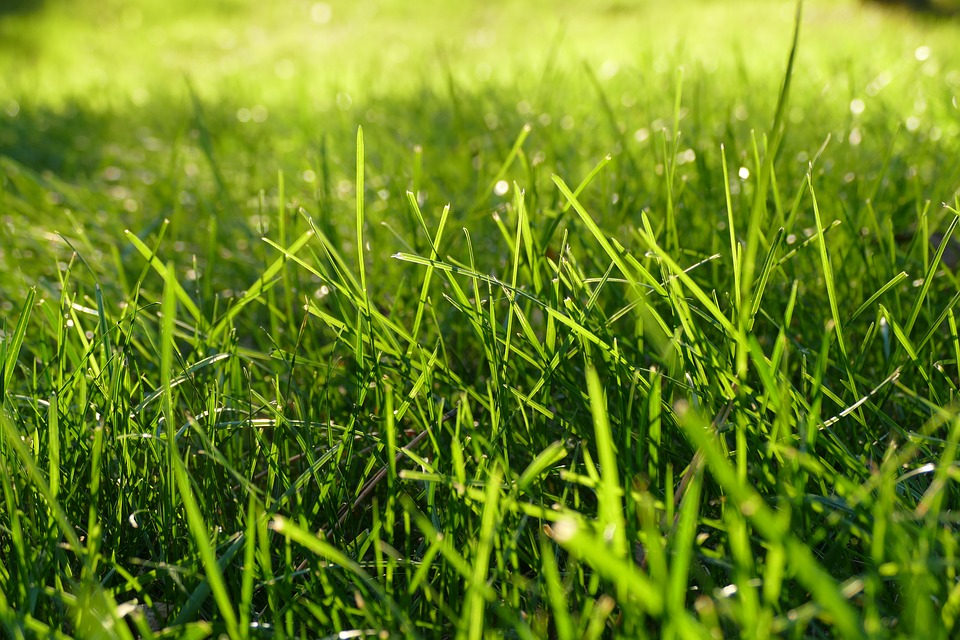
2) The grass is in a pretty crappy state.  What with scarifying, plus a bit of extra treading around fixing up a chicken run, plus a lot of rain recently, it’s not exactly looking green and lush and is still very mossy.  This will be a long-running battle I think, to restore it to a healthy state.

grass-1147851_960_720

My grass does NOT look like this <sob>

*This sounds impressive, but didn’t work as well as I’d hoped, apart from the cornflowers and a few snapdragons.  I am giving it another bash this year and have sowed earlier so hopefully will get better results!