Rooks & Reds

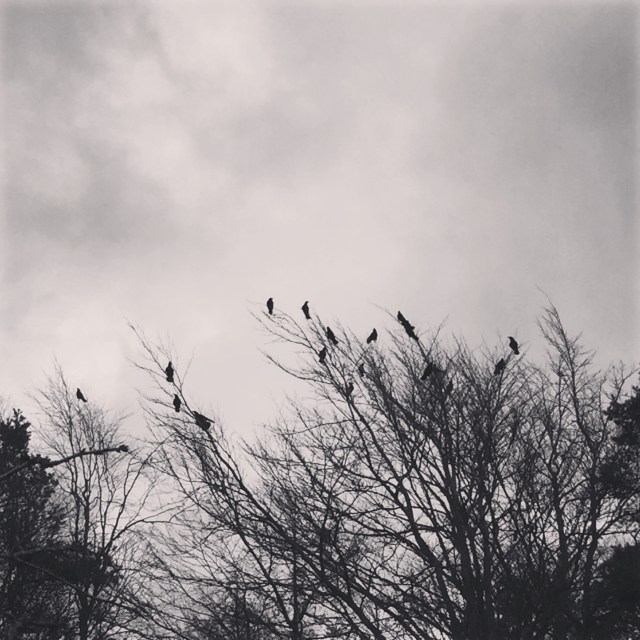
This morning when I walked up to the woods there was a gang waiting close to the entrance – about half a dozen, they were all in black, shouting loudly, calling to each other, generally messing about and putting others off coming nearby.
IMG_7581 (1)

Fortunately they were also about 50 feet above me – rooks really do seem like the hoodlums of the bird world.  Actually, this is probably deeply unfair to the rook (and to hoodlums).  They are very sociable birds and are almost always seen in flocks, particularly noticeable at dawn or dusk during the winter, when they will gather together to communicate the best feeding sites or to find their spot to roost for the night.  Each morning during the darker months, I am dimly aware of the insistent cawing of hundreds of birds above our house, and will look out of the window to see them swooping and flying, crossing the field from the woods nearby, to gather wing-to-wing on the pylon and wires a short distance away.  There’s a perfect view of this from the dining room window, so breakfasts in winter are often spent marvelling at how noisy these birds are, and wondering how many can squeeze onto an wire, until the whole structure takes on the look of a magnet which has been dipped into iron filings.  A few minutes pass and they are off – they’ve discussed, loudly, the best place to locate the day’s food and it’s time to go off and find it.  They will gather again at dusk for some more swooping and chattering, but by then I will probably be busy in the kitchen or on my way home from work and it will happen unnoticed by me.  The dawn rooks are the ones I see most often and I like them.  They are a reliable, daily reminder of nature during the darkest months, when nature is sometimes a little harder to find.

IMG_4436

Dawn rooks

My view of rooks, crows and other similar birds was transformed recently when I read the book ‘Corvus’ by Esther Woolfson.  The writer lives in Aberdeen and has inadvertently become the owner/mother/foster carer? (it’s hard to know what to call her!) to a series of wild birds, including a rook, a magpie and several doves.  Her tales of acquiring and looking after these birds is really absorbing; having them in her home gives her the opportunity to observe the most instinctive and distinctive of their behaviours and she details their habits, history and physiology with fascination and love.  Read it, and you will never look at crows by the side of the road the same way again.

Once I had run the gauntlet of the local gang, this morning’s walk in the woods was a pleasant one, with plenty of birdsong although no woodpeckers, and I indulged once again in my new favourite activity – squirrel spotting.  There’s a quiet little corner of the woods where I can stand quietly and wait for a little scuffle in the canopy, or my eyes will be drawn to a twitching branch.  Today I wasn’t disappointed – a small red appeared after a minute or two, and I watched him scamper through the treetops for several minutes.  The rooks were still hanging about overhead but he wasn’t bothered – unfazed by the gang of feathered teens, he zipped down a tree trunk and into the undergrowth, where I lost him for now.
A walk in the woods

I hadn’t even stepped into the woods when I heard the noise which literally stopped me in my tracks and made me grin broadly.  The sharp rapping sound of the Great Spotted Woodpecker rang out – a warm, hollow drumming; I stepped forward and there was a distinctive bouncy flutter through the trees; then it came again, further away, the note a slightly higher pitch than before but unmistakeably the sound of a sturdy Scots pine resonating under the drilling of that large pointed beak.

The sound makes me grin like a loon every time I hear it, partly because I feel so lucky to walk just a short distance from my home and hear such a singular sound of nature, of a bird which is fairly common but not always easy to spot.  But I was also grinning because the sound of a woodpecker drumming on a tree, like some teenage rocker practising licks and fills, means Spring is most definitely en route.  The woodpecker is staking out its territory, and advertising its presence to potential mates, getting ready for the nesting and breeding season which is peeking its head around the corner.

Yes, the signs are all around now, though it’s so early in the season that you still have to go looking for them.  The trees are still quite bare, of course, but the stark branches reveal evidence of last year’s nests, a reminder that the time is coming for the materials to reused and recycled for new homes, soon to be built when the leaves return to provide essential cover from predators and the elements.  The leaf buds are small, but they’re there.

Near the ground, the snowdrops are now making themselves more obvious – popping up in clumps under trees and at the roadside; and the green shoots of the occasional daffodil are working their way out of the soil.  These are the typical signs of spring – but now look up and notice what the birds are doing.  Further into the woods some chaffinches are chasing each other so fast they’re almost blurry – seemingly taking advantage of a sunny, bright morning to indulge in a rather flirtatious game.  I walk a bit further in search of one of my favourites – a jay, which is squawking crossly from the top of a nearby tree, but as usual he is one step ahead of me and off to take refuge near a hedge, giving me only the briefest flash of his distinctive white rump, which is enough to satisfy me for now.  A pair of woodpigeons somewhere nearby are cooing contentedly and as I stand for a few minutes, watching three (or was it four?!) red squirrels scamper through the trees, there’s a Great Tit nearby loudly and persistently calling “teacher-teacher-teacher” as if to get the attention of some invisible educator in what was turning out to be a rather busy woodland classroom.

Long-tailed tits

DSC_0660

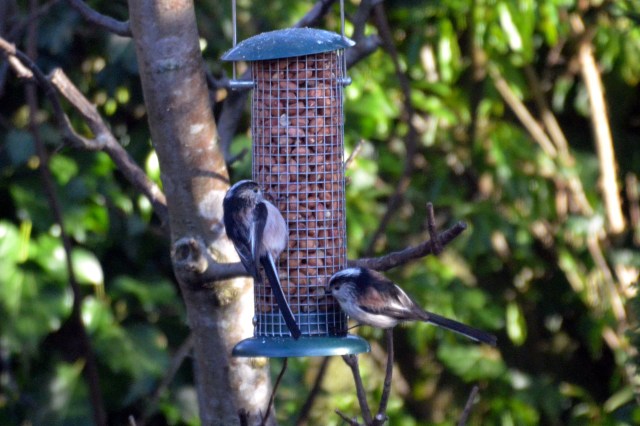
The long-tailed tits are back!  These gorgeous little birds first appeared on my garden feeders last year around the same time.  They came back periodically for a couple of weeks and then left again – it looks like they’ll be doing the same this year.  No doubt the very cold weather we have just now is driving them back to my garden looking for some high-energy snacks to warm up their tiny bodies.

They come in a small flock, at least three of them, sometimes five or six, clamouring for a space on the nut feeder, those long tail feathers poking out in all directions as they manoeuvre for the best spot.  I love their round little bodies and pinky feathers, their punky head stripes, and of course the long tails – slightly longer than the rest of their body in fact – which make them rather characterful and give the impression of a much bigger bird than they really are.  These pinky, punky little friends can come and visit anytime.

Spring is doing its thing

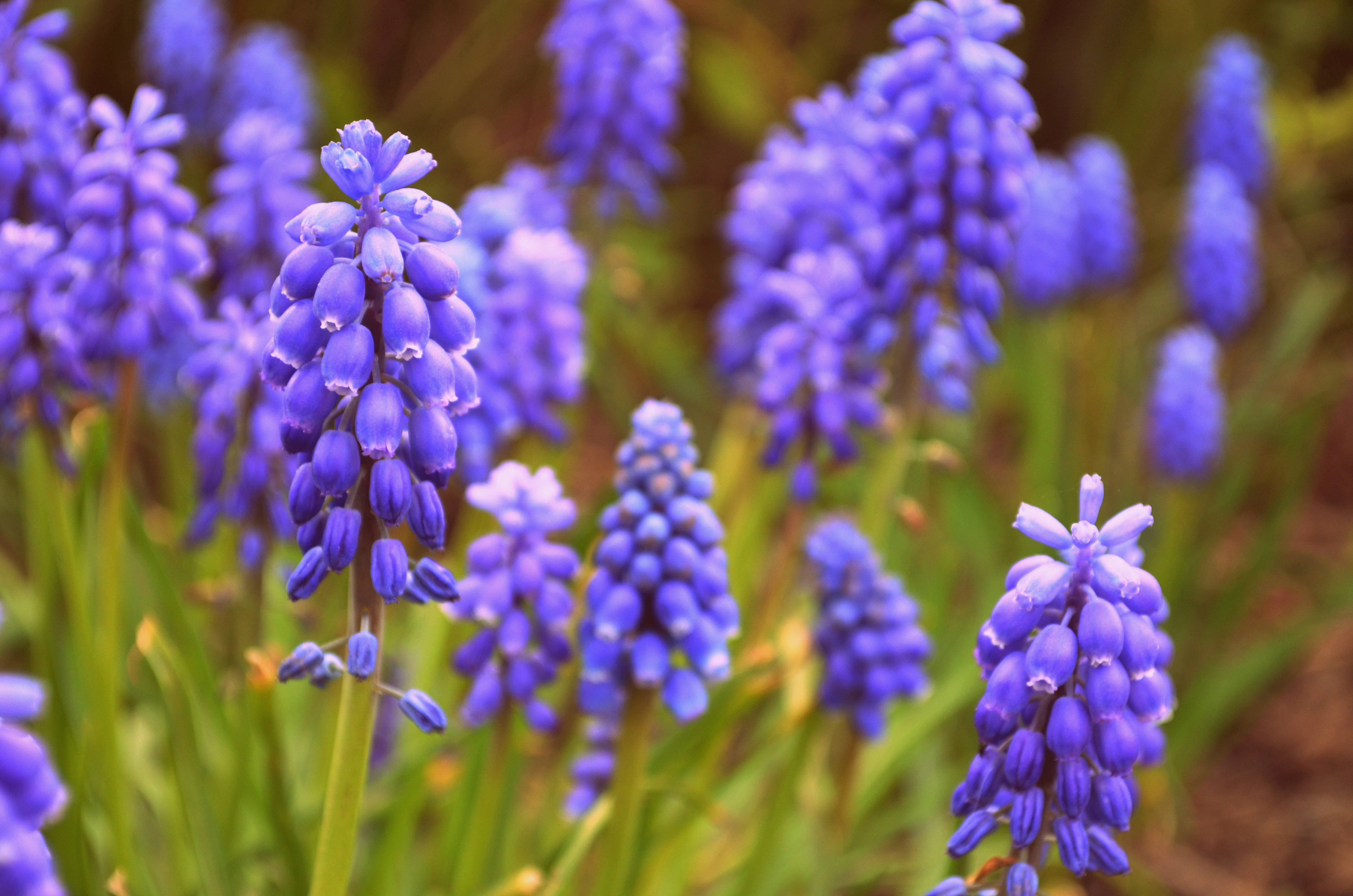
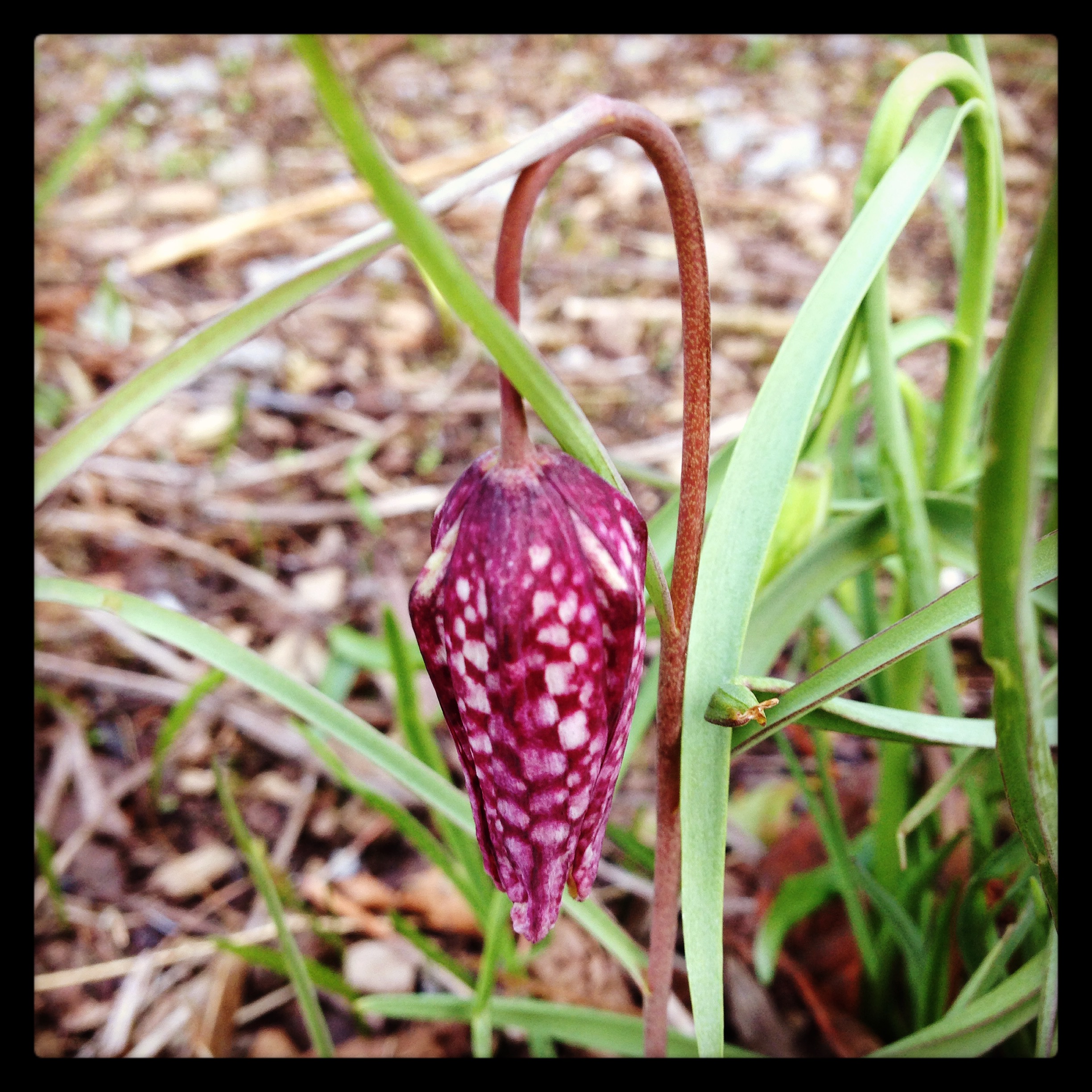
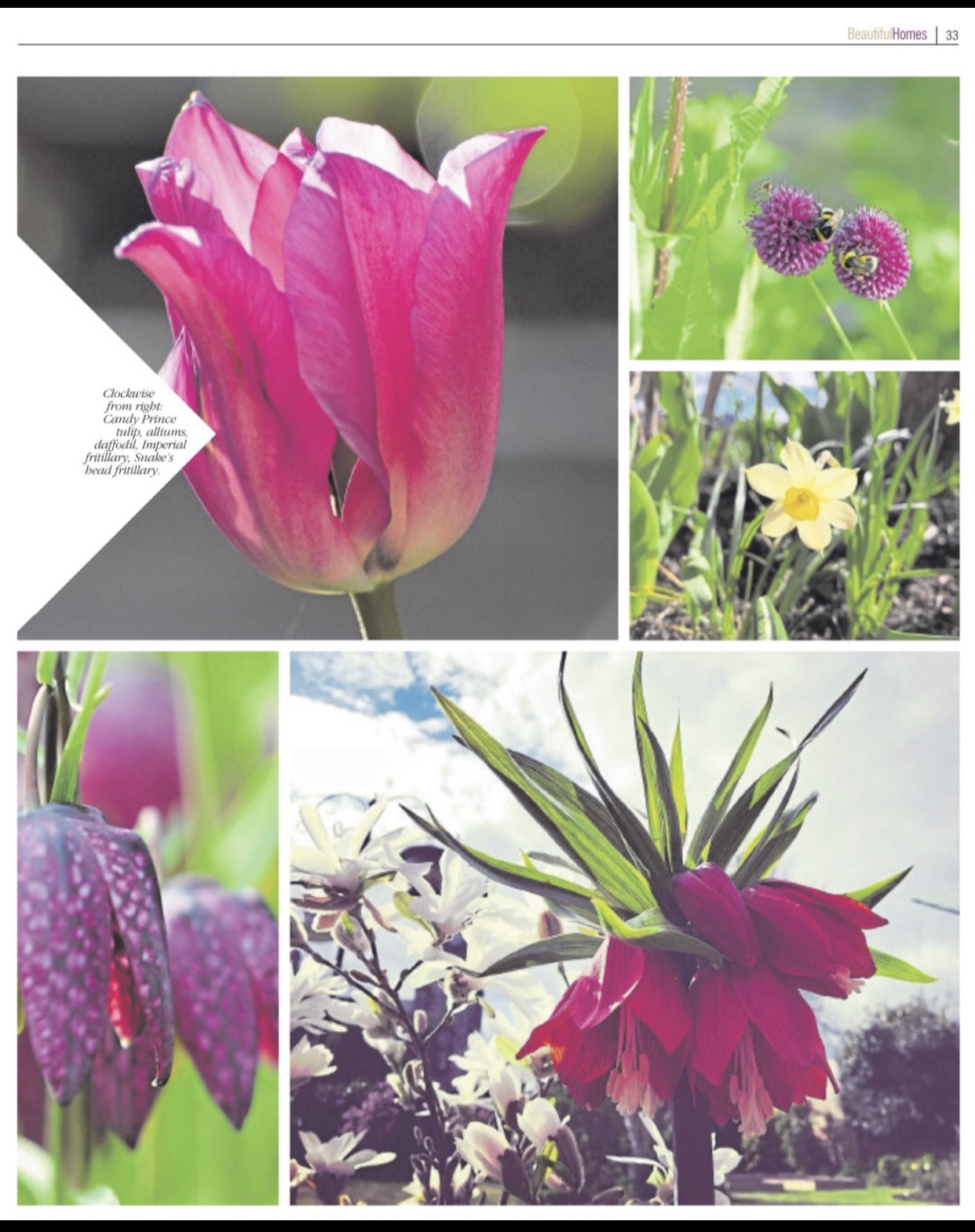
I’m finding it really exhilarating to watch Spring unfolding in our garden for the first time.  Trees and bushes are budding and blossoming and little green shoots are appearing in unexpected places, so that I’m wondering what plants are hiding under there that I didn’t even know I had!  Among these surprises are dozens of grape hyacinth which are now in full bloom in the front garden, the snakes head fritillary which I posted about recently and dicentra, Bleeding Heart, which I was admiring in a garden centre recently, totally unaware that one was pushing its way up in the back garden.

One of the plants doing the best in the back at the moment is a stunning red rhodedendron.

DSC_0724

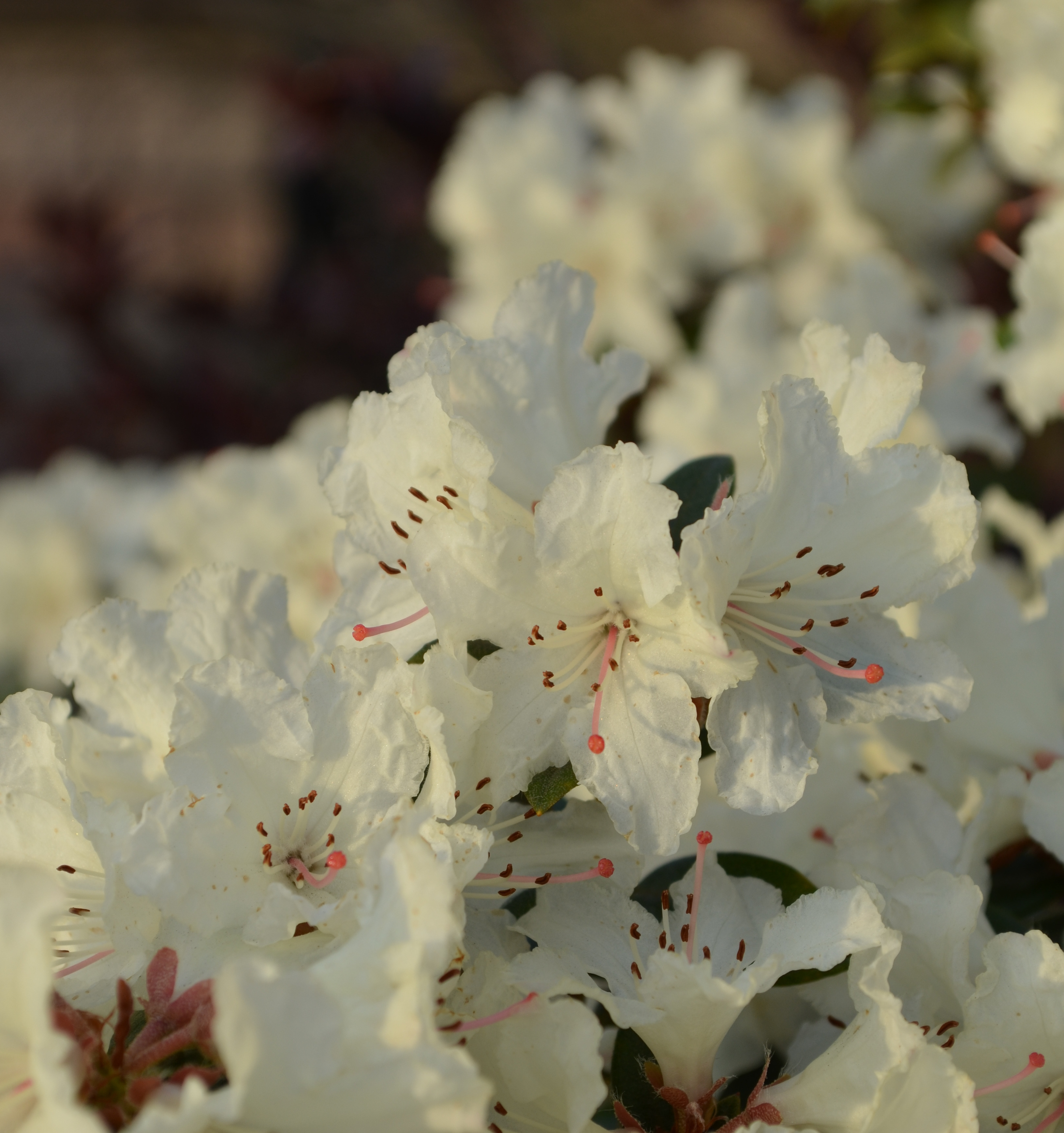
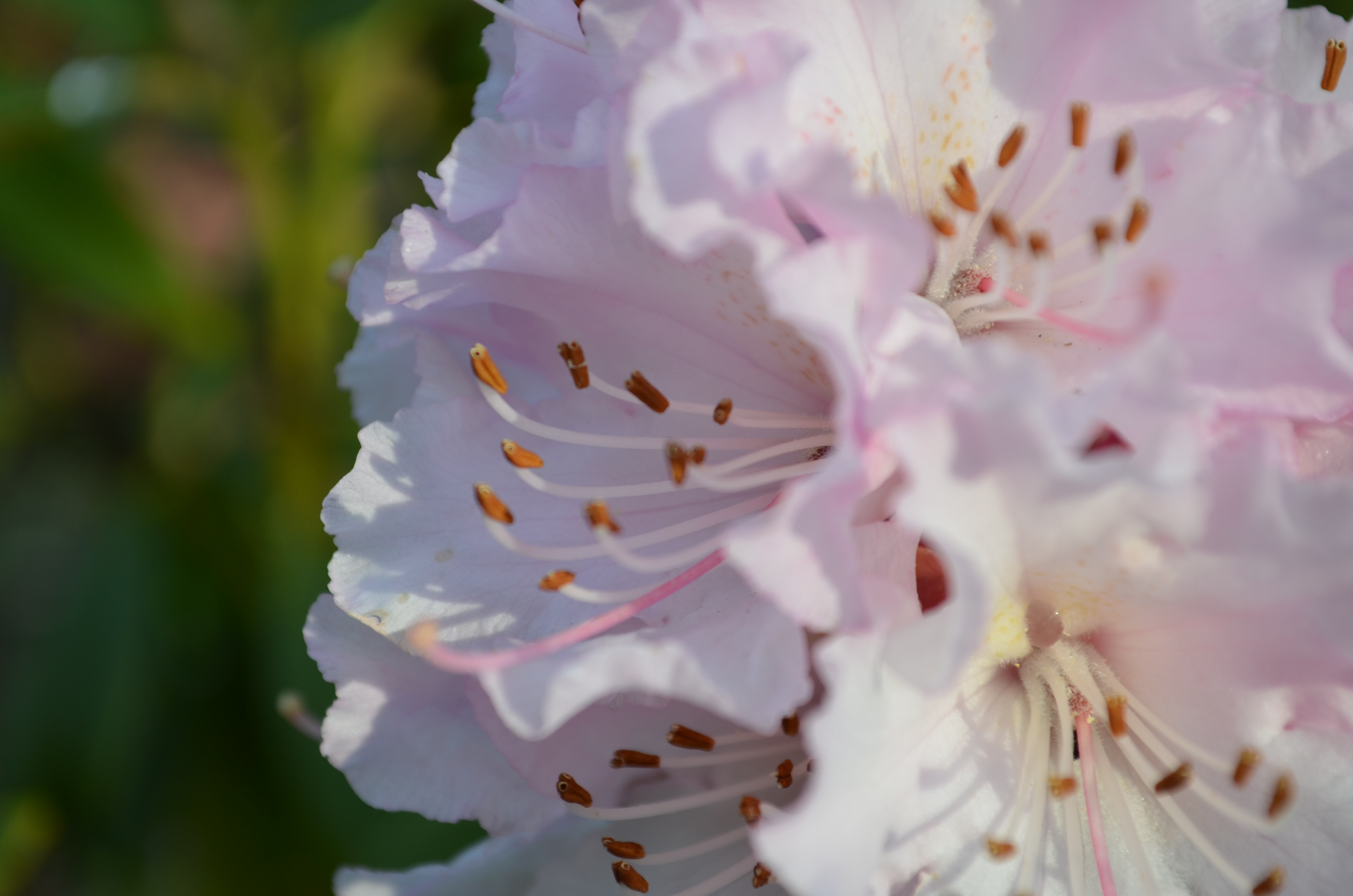
It’s in full flower and sort of socks you in the eyeball as soon as you step round the corner! We have a few more rhodedendrons which are also doing nicely and providing bright splashes of colour at the front and back of the house.  This pretty white one has a lovely delicate fragrance:

DSC_0739

Rhodies weren’t traditionally a big favourite of mine, and I confess to trimming a couple of them quite drastically and yanking out a few of their azalea cousins in the autumn when I was tidying the beds up before the winter.  However seeing their early displays of colour in our gardend also at Glendoick Gardens (more on this visit later) has definitely made me reconsider their virtues.

Finally, a wee photo of the fab little grape hyacinths – they’re such a gorgeous vibrant purple right now!

DSC_0748

My corner of the earth…

DSC_0287

…is the garden at my home in the North East of Scotland.  We have lived here for less than a year but I already know that this garden is my favourite place in the world.  Virtually overnight, a passion for gardening and cultivating the ground around this house has seized me and I take every opportunity, especially now that the weather is improving, to walk outside my back or front door with an implement of some kind so that I can tinker in the garden. Even during the winter when the weather was poor I still walked around it, still, possibly, in a state of shock that we have managed to find the perfect house and garden for us, and envisioning all the things I could do when the spring rolled around.

And now that it has, my mind is full of those plans and I’m desperate for the next opportunity to go out into the garden and put them into action.  So I’m writing this blog to document what I’m doing in my garden, my corner of the earth, and using it as a gallery for the photos I’m taking as the seasons change and new plants emerge or are planted.  It’s only Year One of our time in this house and already I’m marvelling at what’s out there – and everything that’s to come.