
Although we’re still in the depths of winter and the gardening season is yet to get underway, there’s still plenty you can do to be more water-conscious before your garden wakes up in the coming weeks. Mulching beds and borders is a great way to lock moisture in the soil, and of course installing a water butt (or two!) will make the most of any rainy weather and help to save water for when we really need it in spring and summer. And if you’re planning any major landscaping, consider the benefits of better drainage.
Read on for five top tips to help you save water in winter.
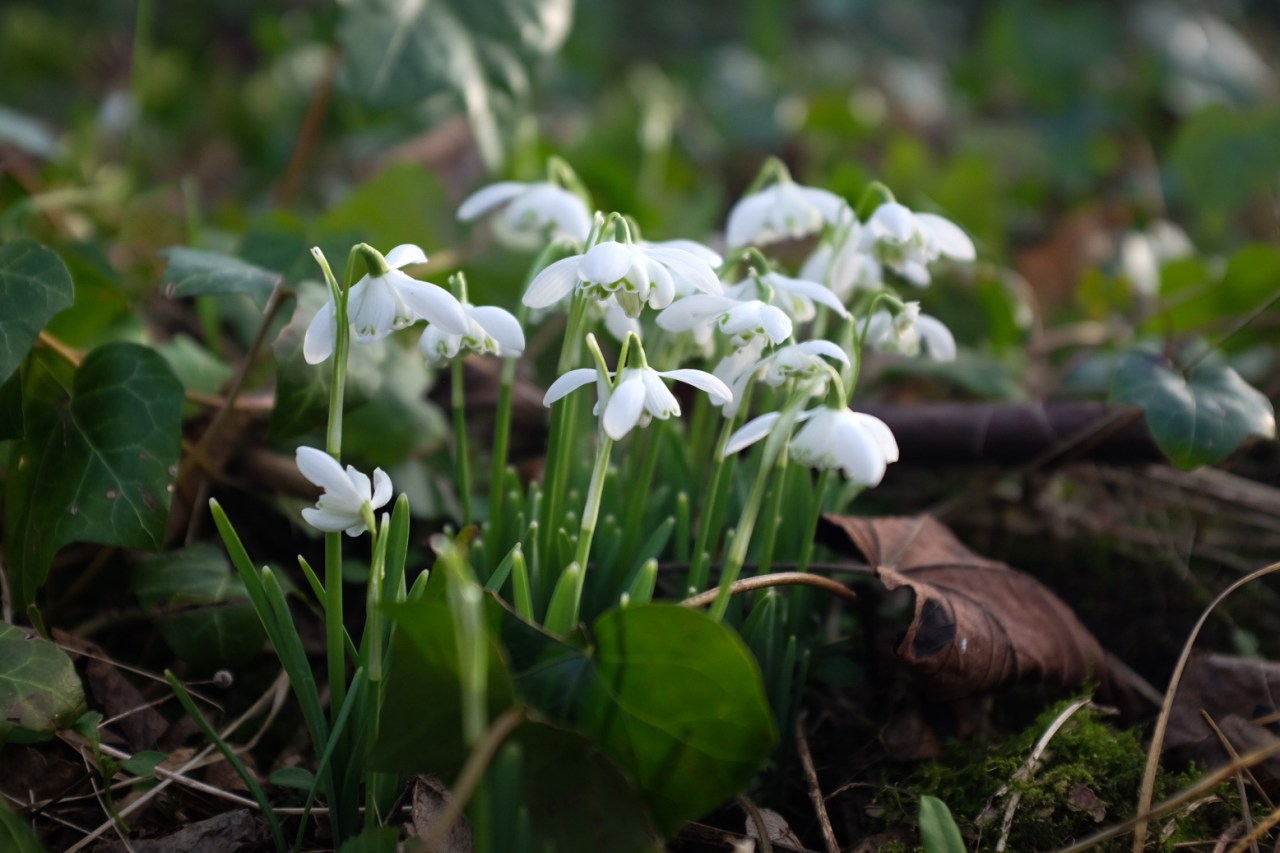
Snowdrops are nodding in the borders, the first tips of daffodils and crocus are showing through the soil, and the garden is still half-asleep. It’s a good point in the year to have a think about the structure and landscaping of your garden, and make some preparations which will improve water conservation, ready for the coming growing season.
Here are 5 things to consider when you’re planning your 2024 garden:
1. Hard surfaces
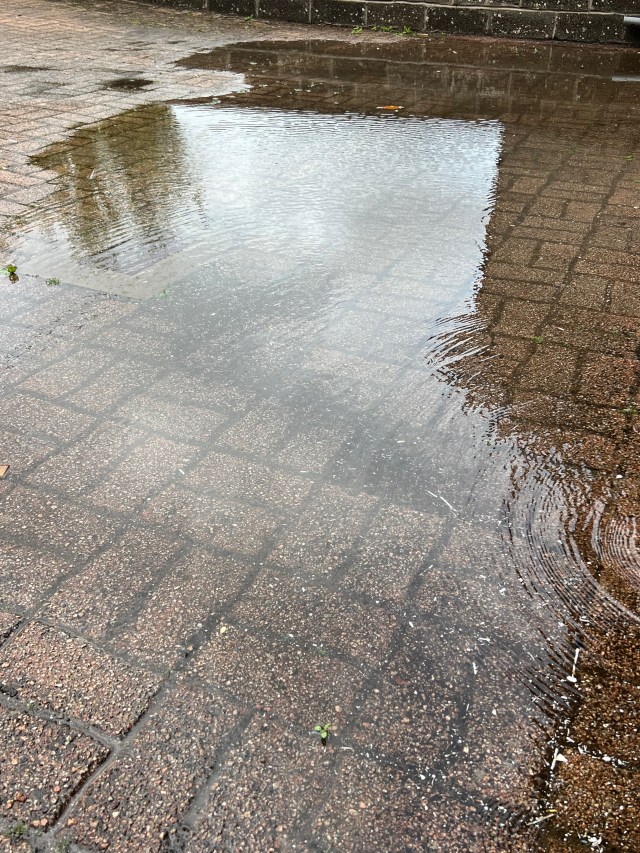
Does your garden drain the rain? And do you wonder why your street or driveway keeps flooding? It’s because too many hard surfaces, driveways and paved over gardens aren’t allowing rainwater to drain away properly.
- monoblock paths and drive ways drain poorly and pool water
- paving, tarmac and concrete are also less porous
- additional water flows into street drains, putting pressure on the sewer network – that’s why localised flooding can occur, affecting people’s homes and gardens
So what can you do instead? Keep hard surfaces in your outdoor space to a minimum – and go for grass or gravel when you’re landscaping. If you’re building a new driveway, patio or path – or planning an upgrade – then choose permeable paving. Gravel is especially cheap and you can plant into it easily. Consider also retaining as much grass in your front garden as possible – it’s better for biodiversity and it holds rainwater, preventing runoff.
2. Avoid artificial grass
When your grass is living, there’s life in your grass – and the rest of your garden benefits too.
- grass and the soil below it supports a huge ecosystem of insects, worms, nutrients and micro-organisms
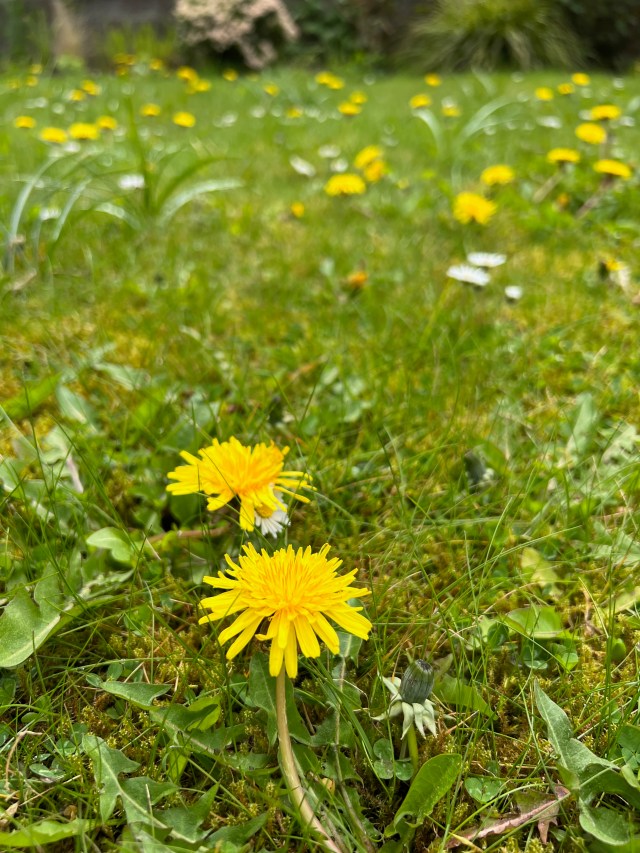
- daisies, dandelions and other wildflowers in your lawn are food for bees, flies and other pollinators
- it’s a feast for the senses – walking barefoot on grass, the smell of a freshly mown lawn, the sound of bees buzzing on the flowers, a lush, green oasis of calm
Artificial grass may seem like a good alternative – but it has a really big carbon footprint caused by manufacture, transport and installation, and it involves huge areas of plastic which can’t be recycled.
Although it’s designed to drain, water runoff can be a problem with fake grass, as doesn’t absorb rain in the same way as soil; plus, micro-plastics are washed into the ground, polluting it for centuries. Although it seems like an easier, low-maintenance option, artificial lawns have serious implications for the environment, including water conservation.
3. Install a water butt
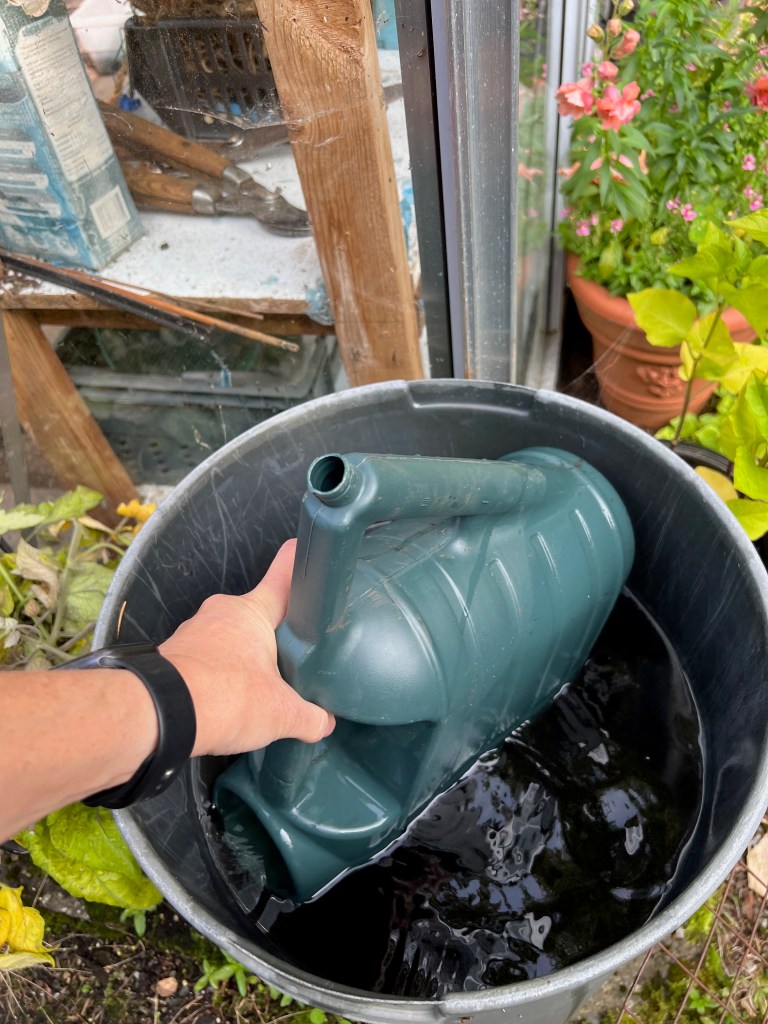
Now is actually a great time to think about how to reduce your overall water use – a few preparations will set you up for this year’s growing and reduce the likelihood of flooding during the wetter months. It’s the perfect time to install a water butt, to collect any rainfall in the coming weeks – it should be nice and full come spring! You can watch our video on installing a water butt here.
4. Spring bare root planting
Spring, like autumn, is a great time to get new plants in the ground, giving them time to put down roots and reduce the need for extra watering when it’s warm again. Many are sold bare-root during autumn and winter, which often reduces the packaging required too. Bare-root is just what it sounds like – the plants are sold without pots and soil, and it doesn’t cause them any harm because they’re dormant. They often benefit from a good soak in a bucket of water before being placed into their planting spot with some fresh compost.
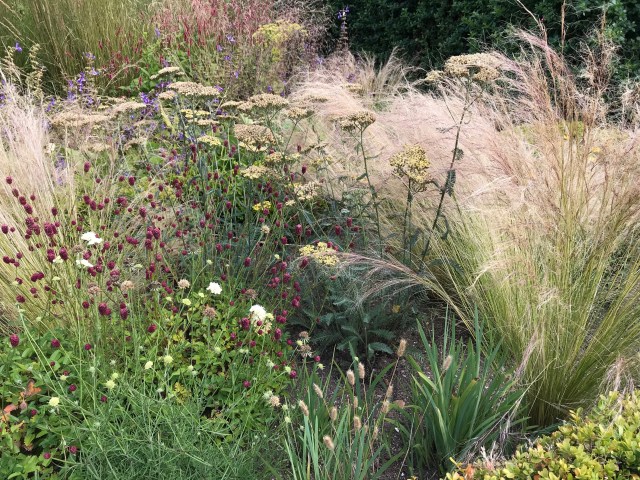
You could consider filling those gaps in your borders with more drought-tolerant planting too – for example, scented Lavender, soft Stachys, bee-friendly Echinops and swooshy Stipa are all great examples of sun-lovers which don’t need much watering, even in a heatwave.
5. Mulching
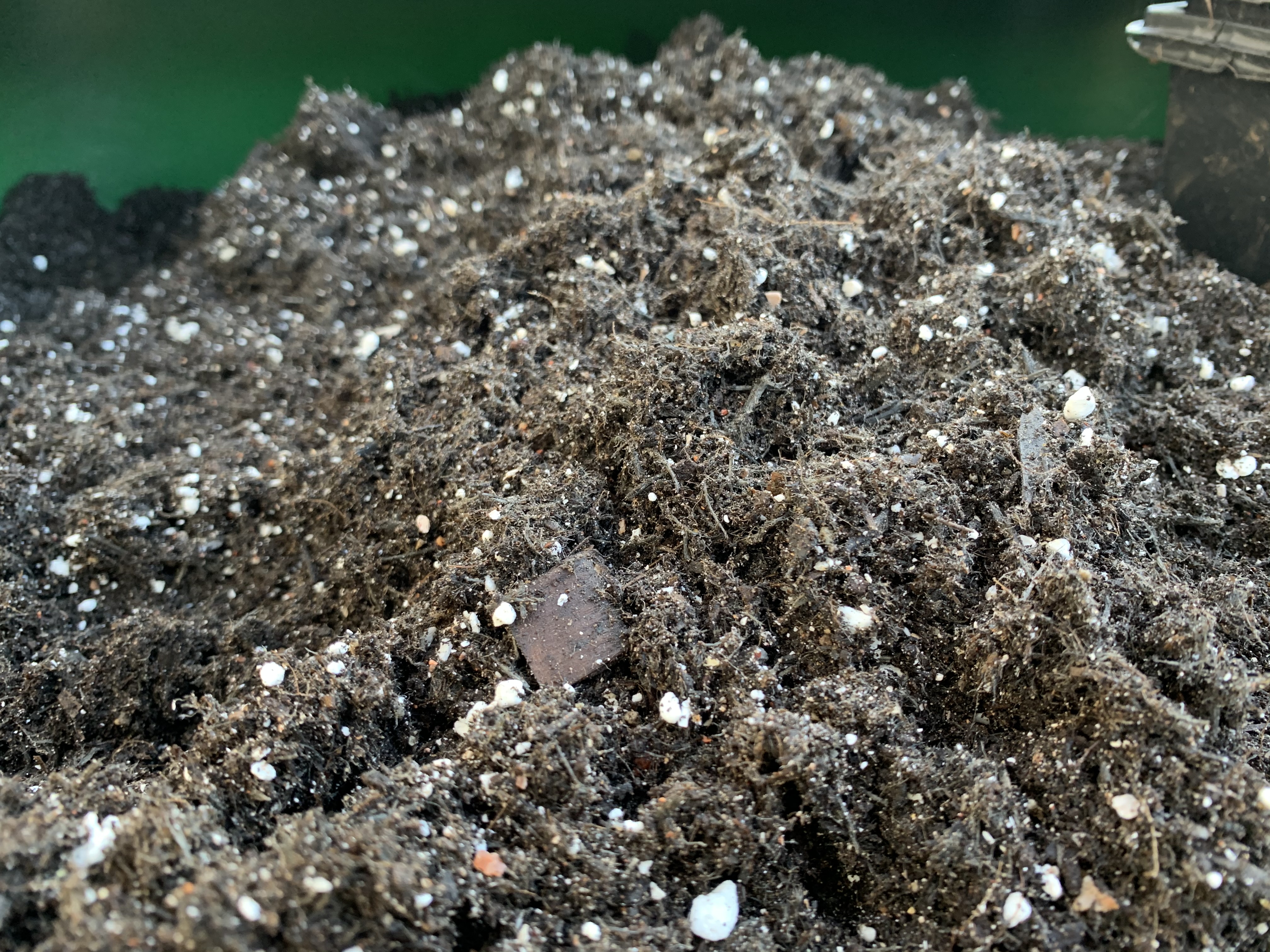
Mulching your beds and borders is a one of the top tasks to undertake in spring – there are so many benefits for your garden, including helping to lock moisture in the soil, reducing the need for watering. Mulching simply involves spreading a layer of organic matter on the surface of the soil – this can be compost, spent soil from tubs and containers, leaf mould, grass clippings, chipped wood or bark or any other dead plant material. The mulch will gradually be broken down over time by weather and insects, and absorbed into the soil, making it healthier and introducing nutrients to help feed your plants naturally.
Mulching with homemade compost is even better, as it’s a really circular way to re-use the clippings, prunings and old plant material you’ve collected over the course of the previous year. Allowing these to break down in a compost bin or heap will provide you with nutrient rich mulch, returning the goodness back into your garden.








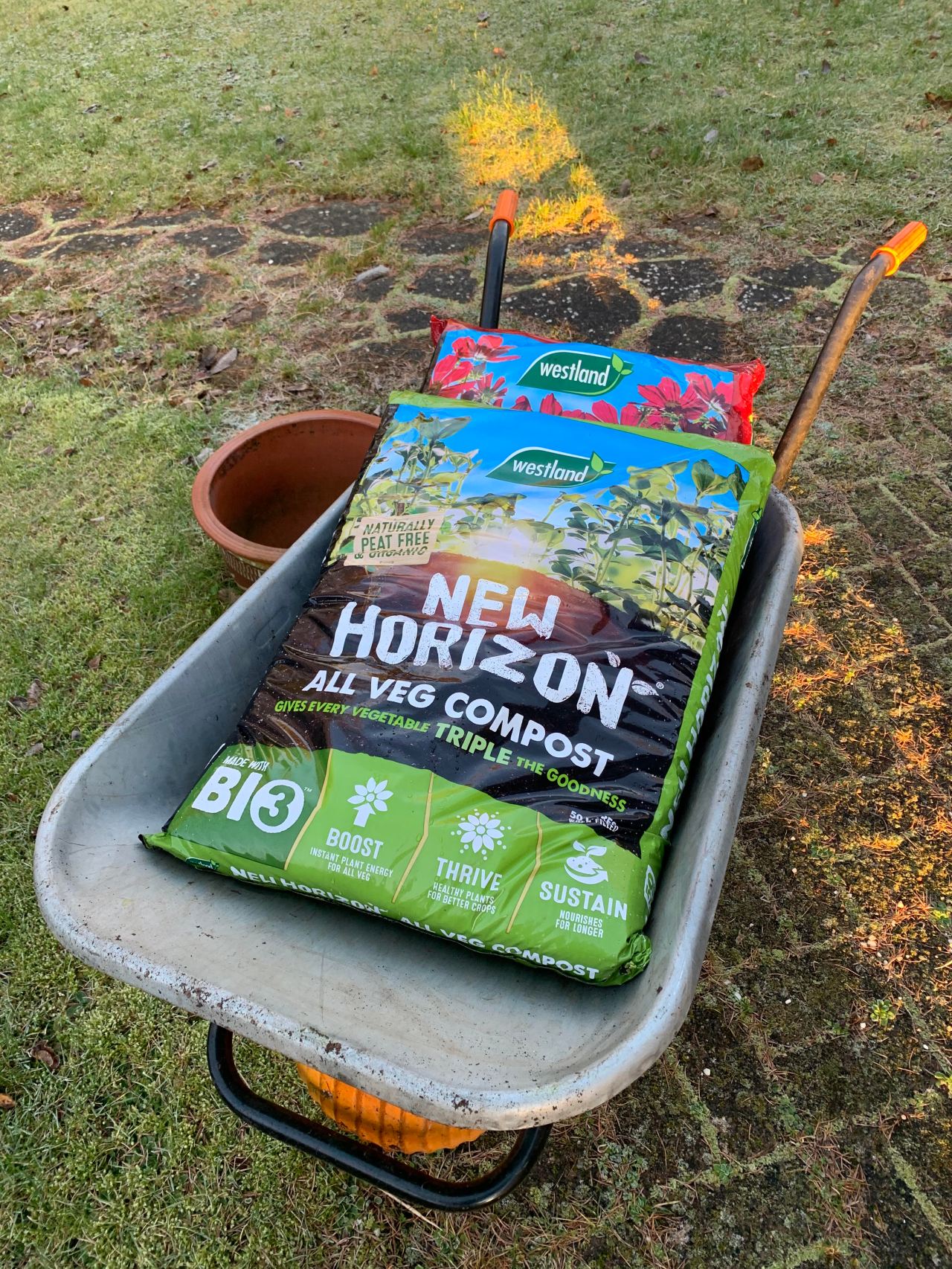
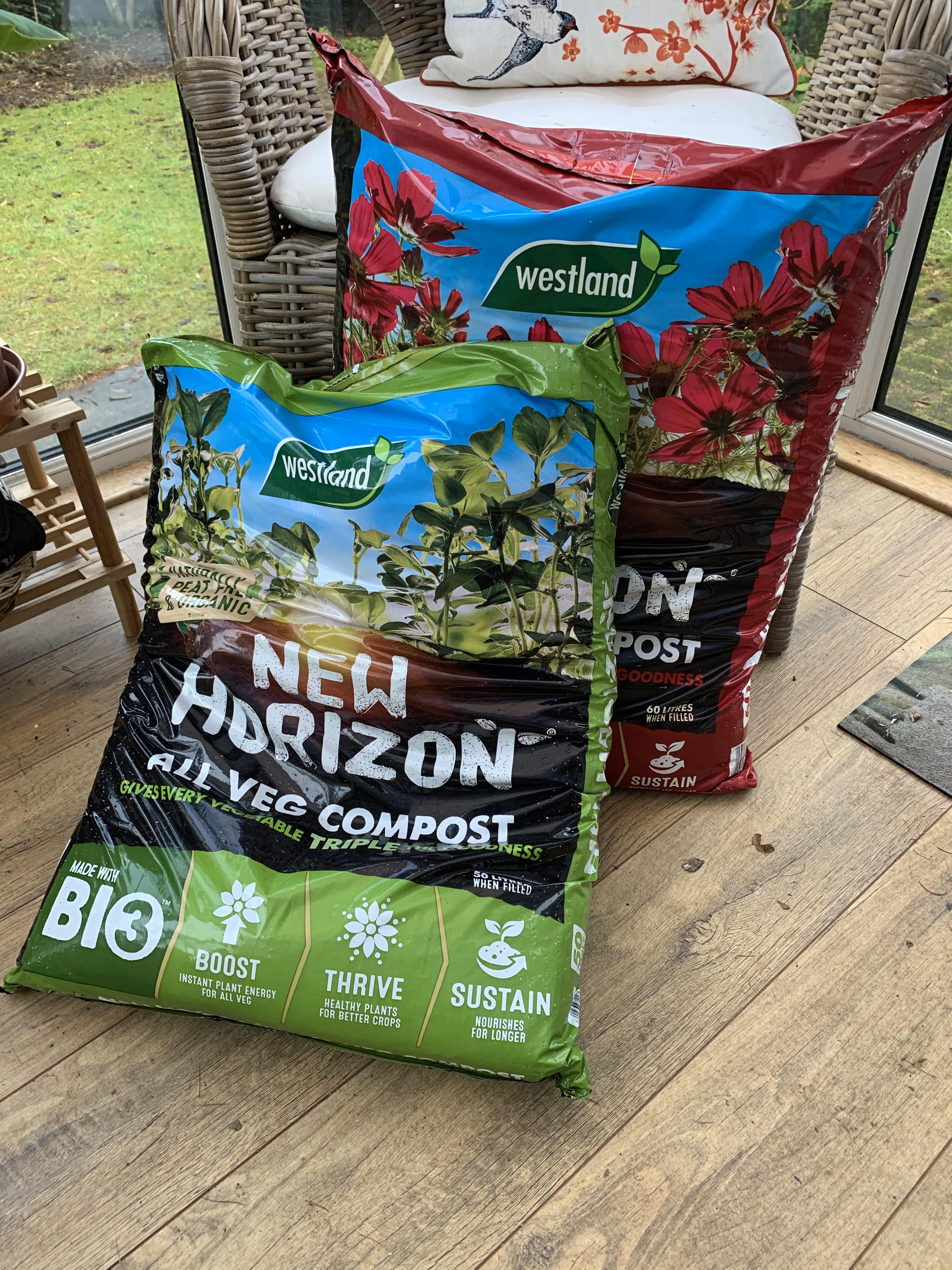
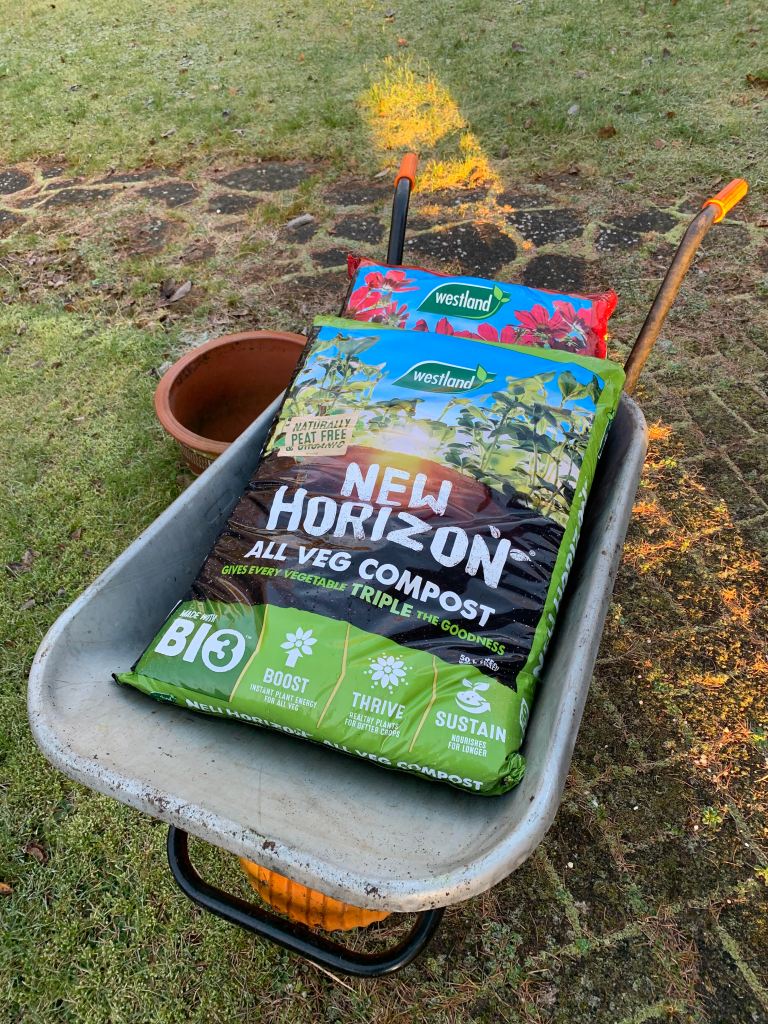

 I have quite dry skin and these have been a hand-saver all winter – I’m still using them now while the weather is still a bit on the nippy side. They’re lined with soft, cosy material and genuinely keep my fingers warm. This makes them a bit thicker so they’re not ideal for fiddly jobs but for general digging, moving, lifting bags of compost or whatever they’re great and fairly waterproof too so your hands don’t freeze off when the hose drips all over the place.
 I love these mainly because they’re a thing of beauty. I am drawn to certain materials – wood, corduroy and I’m a total sucker for tan leather. I love these so much I bought matching loppers and shears. I wish I could say I have a set of well-loved wooden-handled tools handed down by a relative or the head gardener of a huge estate, but these were simply bargains in TK Maxx! They may not have the heritage but they look wonderful and I feel like I will care for them more because of it. Hand tools tend to end up a bit rusty and rickety for me – I will confess I don’t usually clean and sharpen them regularly the way you’re supposed to. These look so simple and refined it’ll be easy to give them a wipe down or sharpen them up – I’m sure of it!
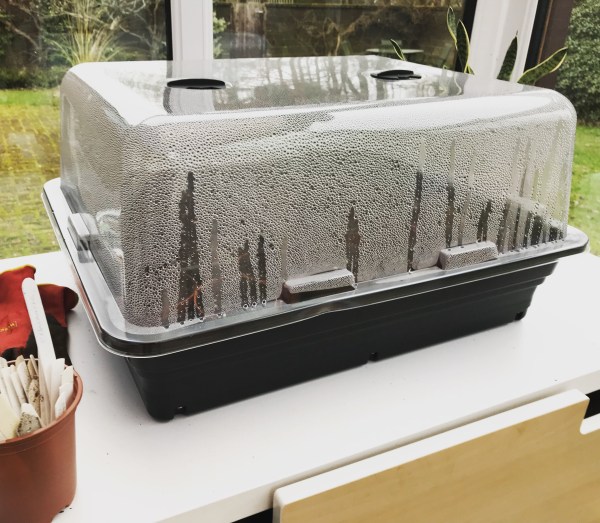 This model is a 52 cm Stewart Essentials electric propagator which I picked up for just over £20 during the last Black Friday sale. It’s not thermostatically controlled but as I use the rear sun room as a sort of indoor greenhouse it keeps my seeds at a good temperature for germination in a room where the temperature can fluctuate quite a lot, especially at night when it’s pretty cold. I am currently trying to germinate my pelargonium seeds in there and they’re taking AGES. I’ve also have very limited success with astrantia – only two seedlings so far. But I think this is down to my choice of tricky-to-grow plants rather than the propagator! I’m not very patient and need the space in that propagator for other seeds so I think I will very soon cut my losses and move these out in favour of something that will grow much easier.
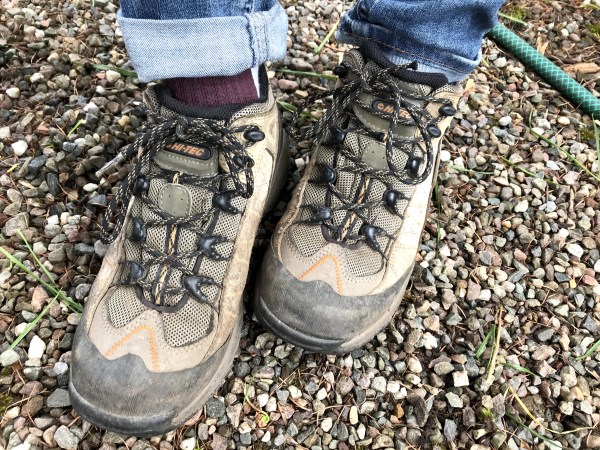 These are my beloved and very scruffy gardening boots. I’ve had them for years, they’re still reasonably comfy but not very waterproof. However when I’m wearing them I feel in ‘gardening mode’ – I feel like I can dig and sow and weed and do garden-y things because I’m in my Gardening Boots.
 I also really love to listen to podcasts while I’m in the garden or greenhouse, and my podcast library is rapidly expanding – everything from Gardeners’ Question Time to Womens Hour to Adam Buxton to On The Ledge. I’ve added quite a few more gardening podcasts recently, including this new one from Andrew O’Brien and Laeticia Maklouf. I find them so useful and interesting – I like to absorb more garden knowledge through my ears and into my brain as I’m getting my hands dirty in the soil!
 Julianne Robertson